Stay up-to-date with the
Knowledge

Shacman’s overseas markets span extensive regions, with product demand exhibiting significant variation influenced by geographical conditions, economic circumstances, and local policies and regulations. Consequently, overseas market product requirements are segmented and planned according to regional markets.
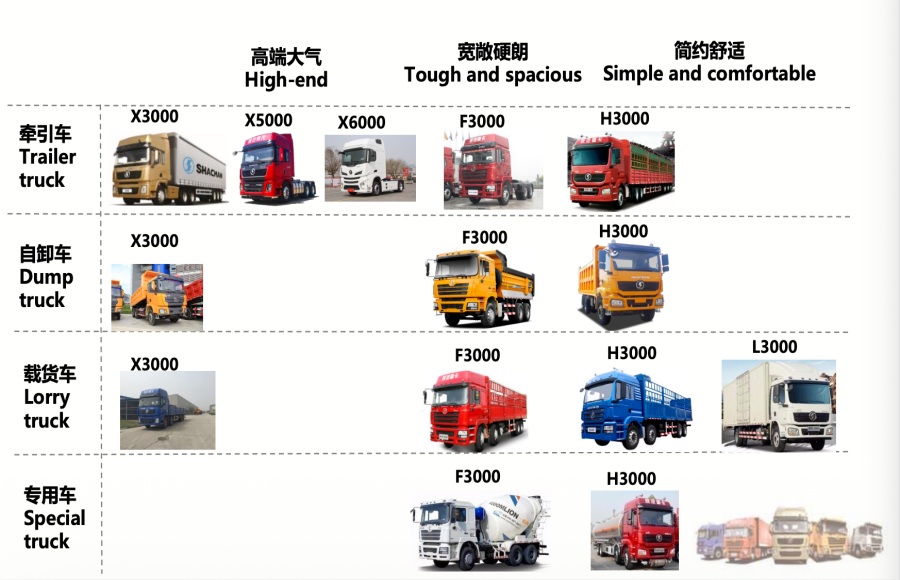
Based on prevailing market usage requirements, Shacman tractor trucks are categorised into eight distinct segments, Shacman tipper trucks into four segments, Shacman cargo trucks into seven segments, and Shacman specialised trucks into ten segments.
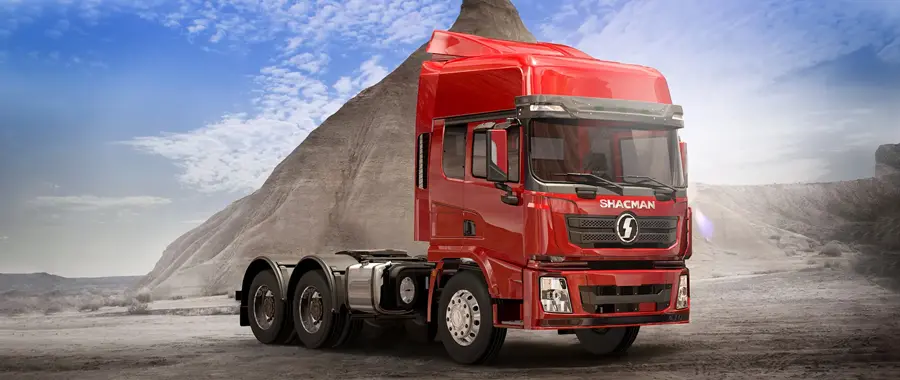
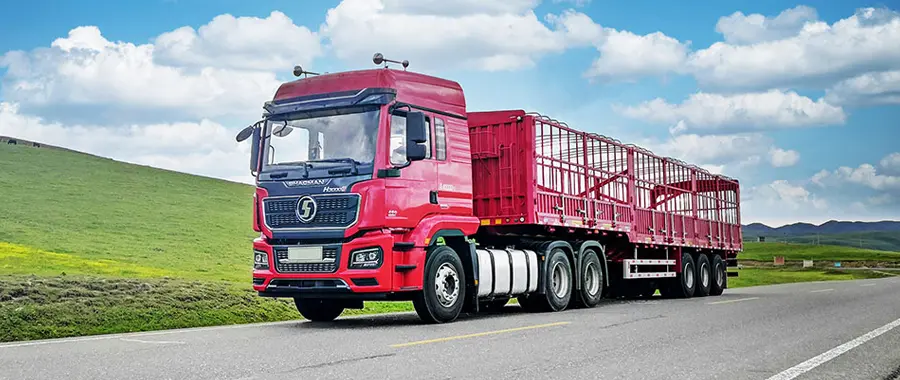
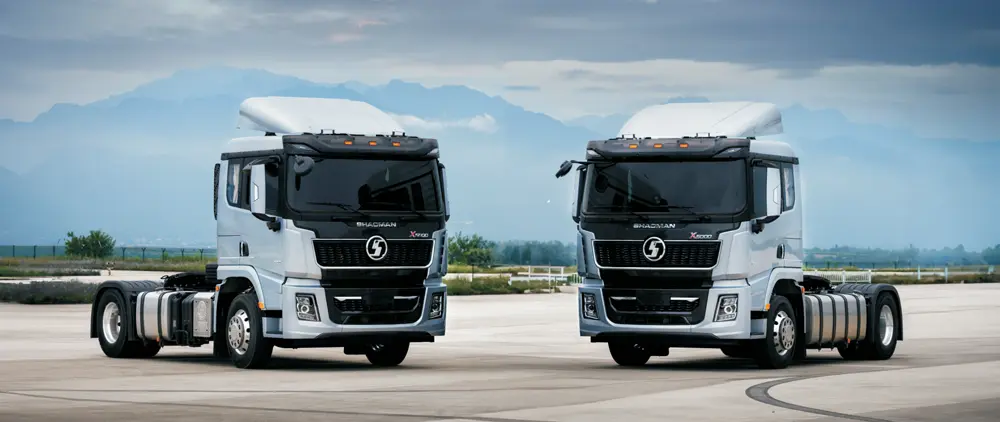
Tractor units are categorised by application:
– General industrial goods transport
– Port logistics
– High-value cargo transport
– Steel transport
– Aggregate transport
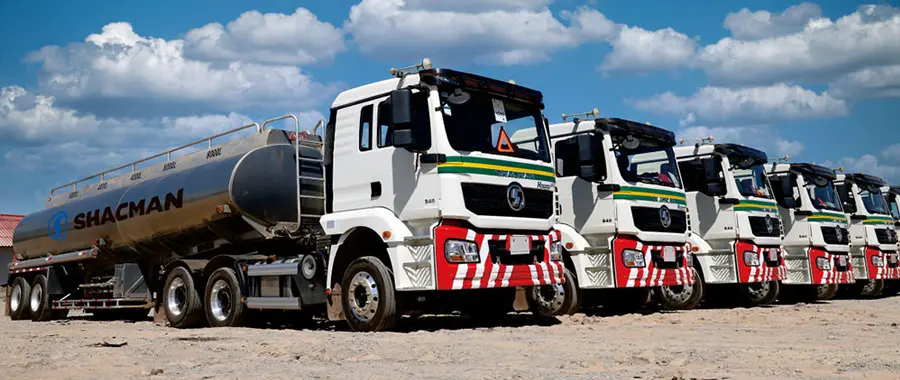
– Bulk tank transport
– Coal haulage
– Timber transport
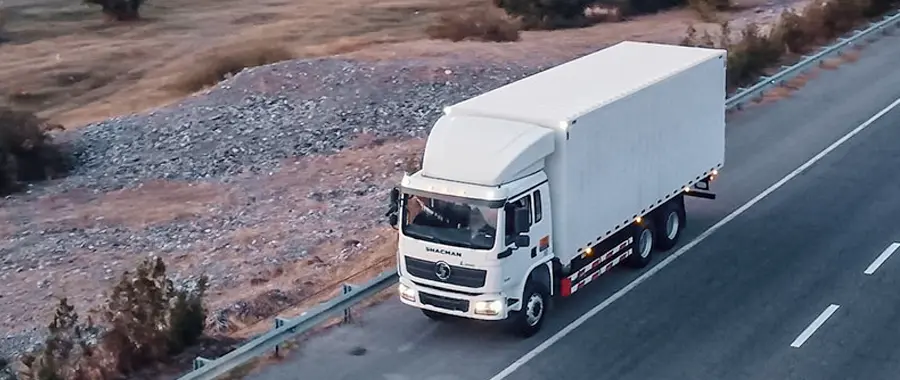
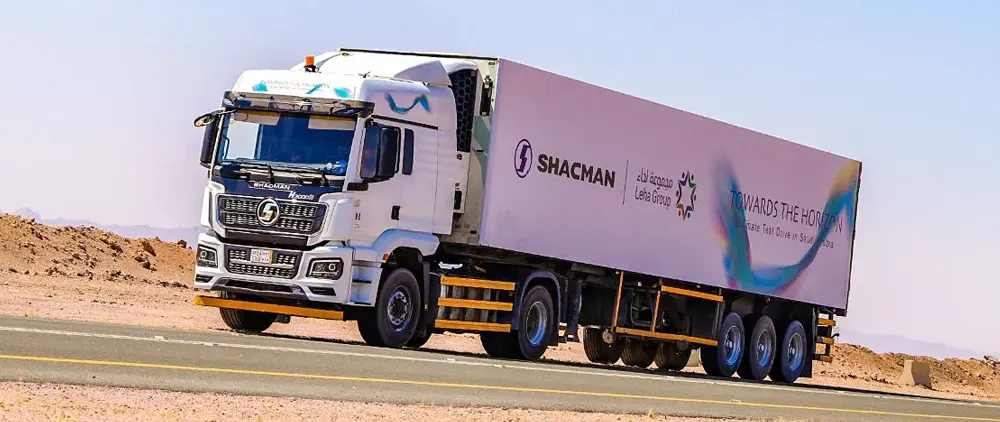
Rigid Cargo trucks are categorised by application:
– General industrial goods transport
– Agricultural produce transport
– Refrigerated goods transport
– Construction materials transport
– Coal haulage
– High-value cargo transport
– Bulk tank transport
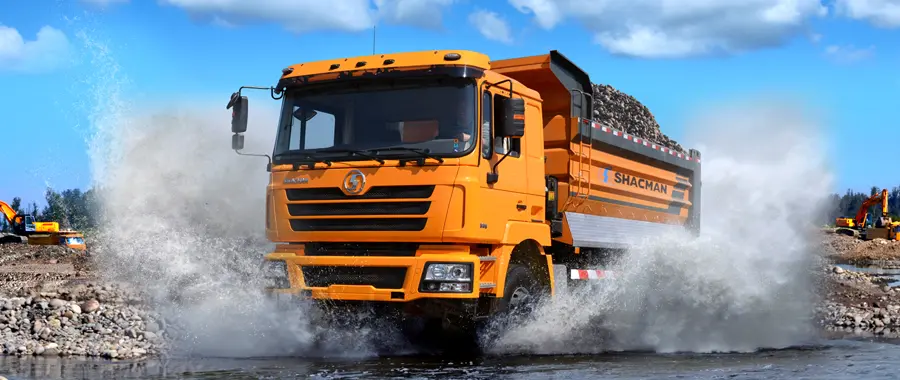
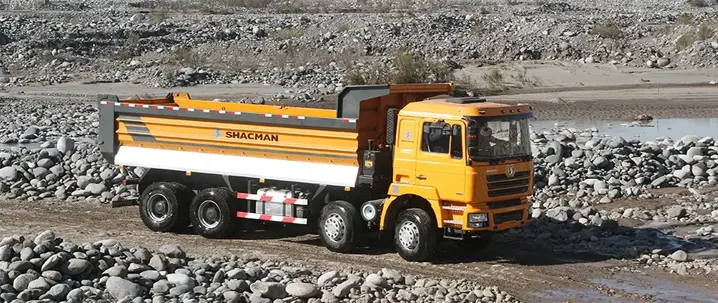
Dump trucks are categorised by application:
– Construction waste transport
– Mining operations
– Standard road haulage
– Heavy-duty road haulage Standard-load road haulage; Heavy-load road haulage
Special-purpose vehicles are categorised by application:
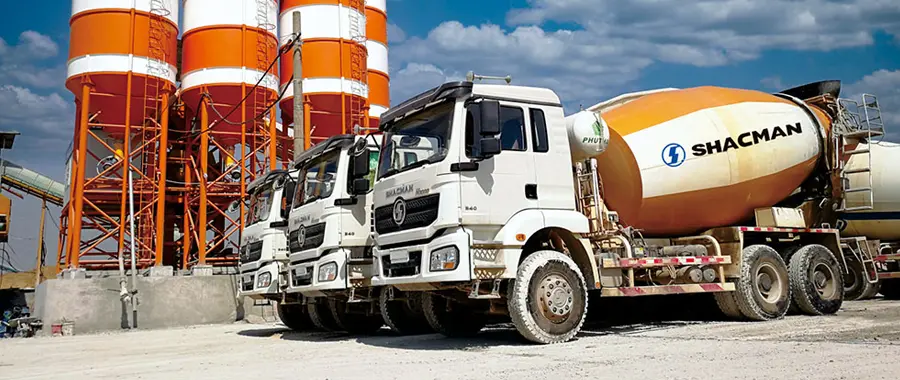
-Cement mixer trucks;
-Bulk container transport;
-Concrete pump trucks;
-Hazardous goods transport; Sanitation vehicles;
-Truck-mounted cranes;
-Fire engines;
-Oilfield special-purpose vehicles;
-Breakdown recovery vehicles;
-Road construction
-Maintenance special-purpose vehicles

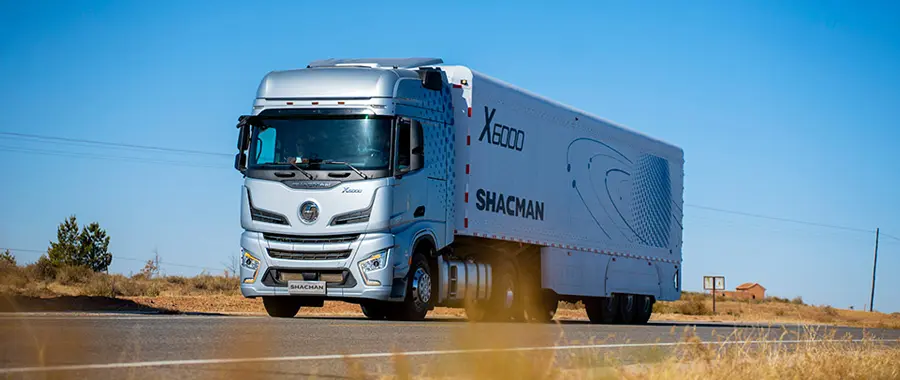
The four major platforms of SHACMAN are X3000, H3000, L3000 and F3000. The appearance of the cab is family-based. The X3000 exterior is featured with a high-end atmosphere. The F3000 is tough and spacious. The H3000/L3000 is simple and comfortable. Different cab appearances and interiors represent the inheritance of quality. The cabs of different platforms are divided into 1 to 3 types according to different working conditions.
The four platforms are different in terms of product positioning, and the direction of the cab interior is different. The X3000 interior is mainly high-end atmosphere, the F3000 is mainly spacious and tough, and the H3000/L3000 is simple and comfortable. Here are the main difference for the cabins:

According to the cab size, the X3000 cab is divided into 4 (lengthened high top), 5 (lengthened half-high top) and 6 (half-lengthened and half-high top) cabs, which are divided into left and right (to meet different regulatory requirements). 4 cab is an lengthened high-top with a double- sleeper mainly used for long-distance logistics. The 6 and 5 cabs are more suitable for dump trucks and special vehicles.

According to the cab size, the H3000 cab is divided into G (lengthened high top), H (lengthened half-high top) and M (half-lengthened and half-high top) cabs, which are divided into left and right (to meet different regulatory requirements). G cab is an lengthened high-top with a double- sleeper mainly used for long-distance logistics. The H and M cabs are more suitable for dump trucks and special vehicles.

According to the cab size, the F3000 cab is divided into N (lengthened high top), J (lengthened half-high top) and D (half-lengthened and half-high top) cabs, which are divided into left and right (to meet different regulatory requirements). N cab is an lengthened high-top with a double-sleeper mainly used for long-distance logistics. The J and D cabs are more suitable for dump trucks and special vehicles.


Copyright @2023 Shacman. All Rights Reserved.