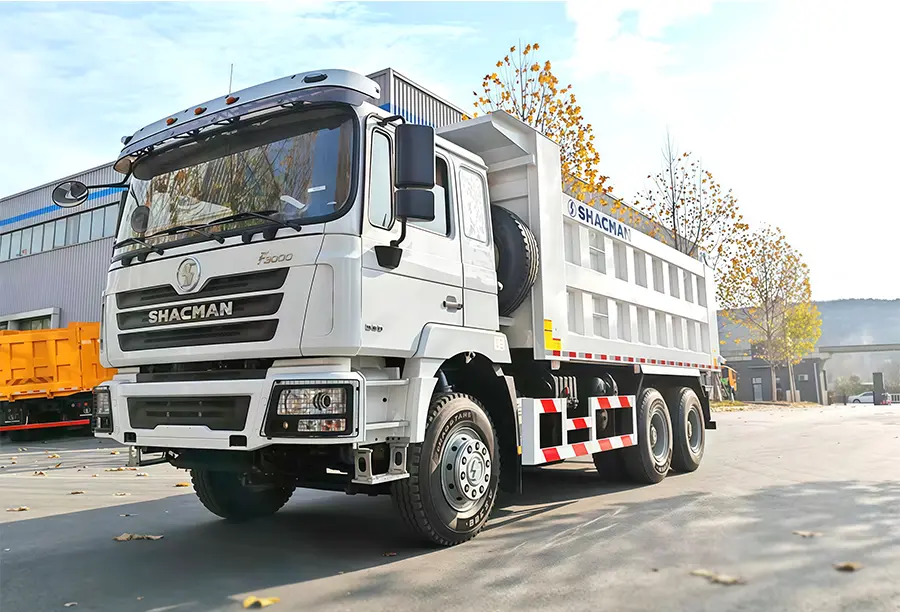
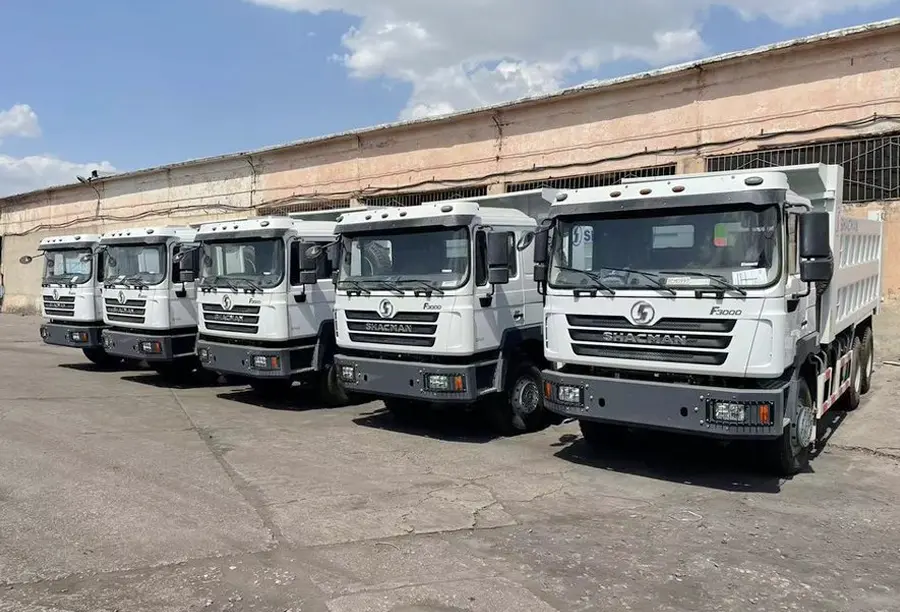
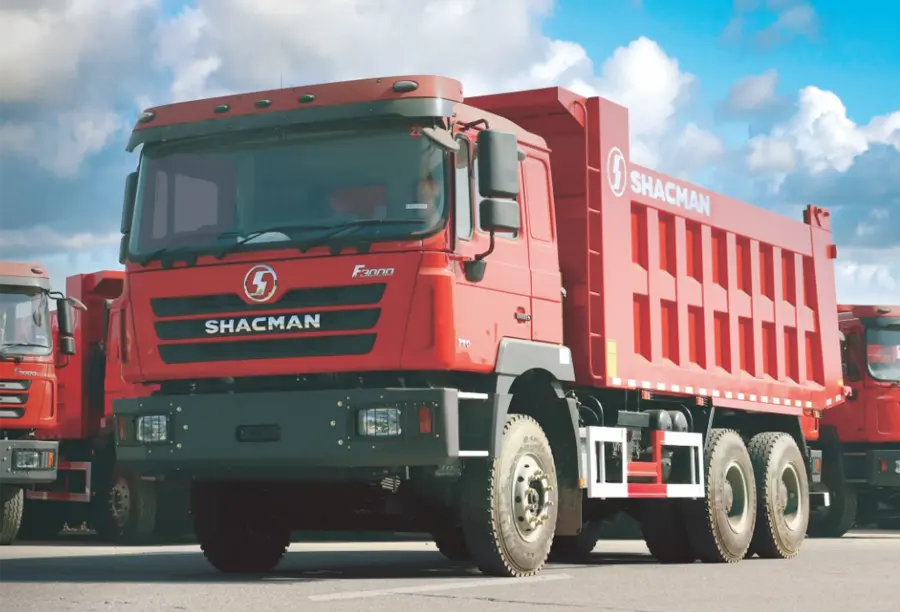
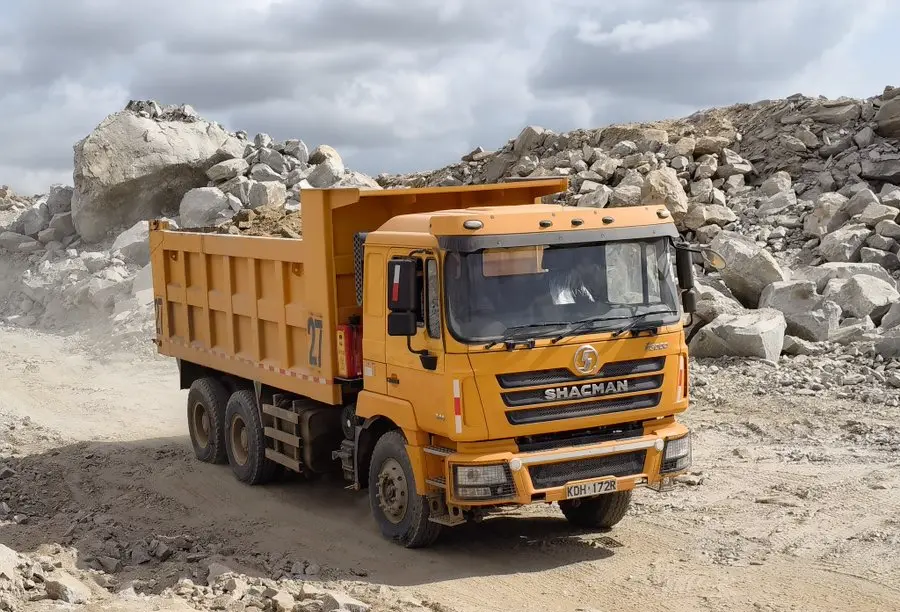
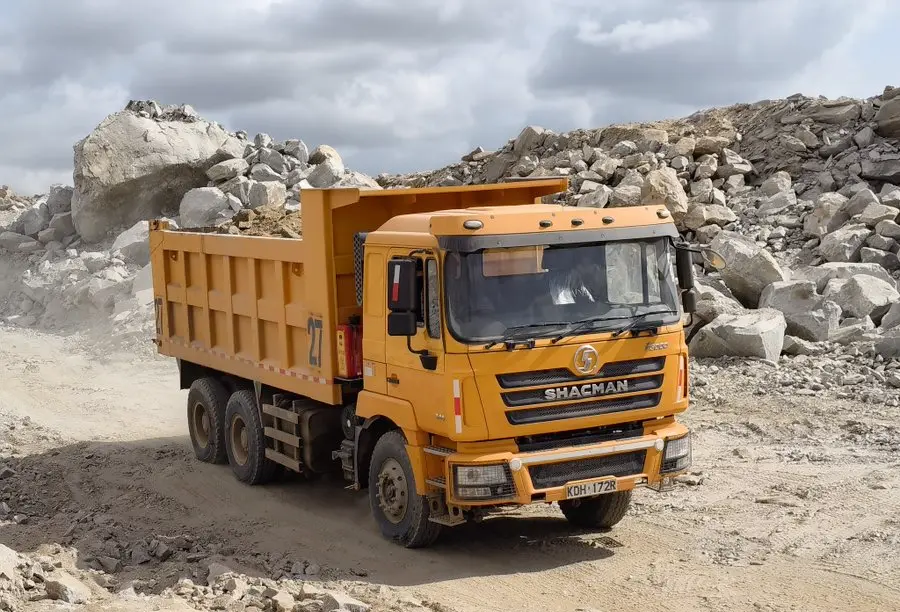
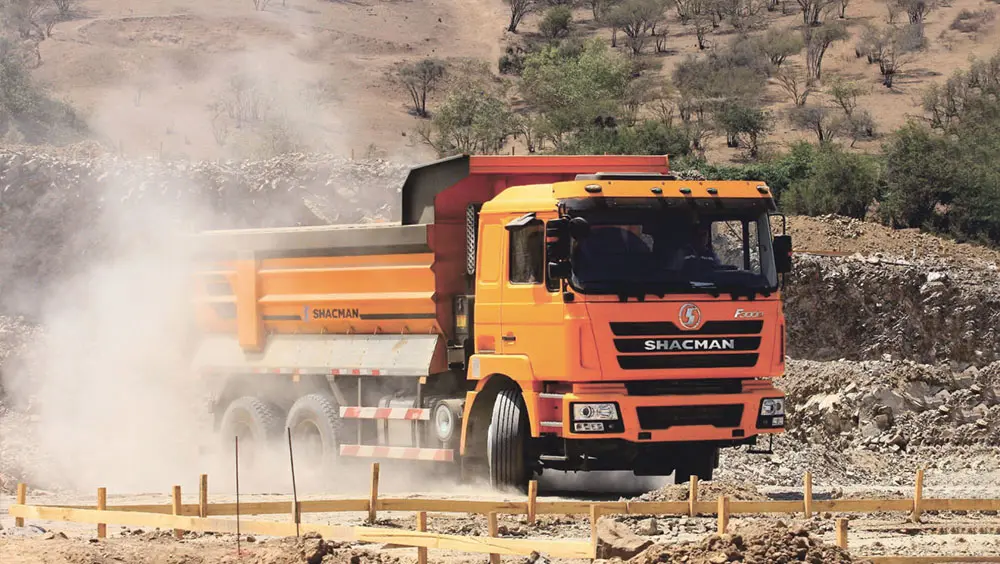
Shacman F3000 Fuel Consumption: Real Field Test Data & Cost Analysis
For fleet owners, mine operators and logistics companies across Africa, Southeast Asia and Latin America, fuel cost makes up over 60% of heavy truck total operation expenses. The Shacman F300 is one of the most popular workhorses for construction, mining, long-haul cargo and water tank transport. This guide collects official factory test data, real operator feedback and cross-scenario fuel consumption benchmarks to help buyers calculate daily fuel budgets accurately.
Shacman F300 offers multiple powertrain and axle configurations, including 4×2 tractor head, 6×4 tipper, 8×4 dump truck, 6×6 off-road chassis and stake cargo truck. Its fuel consumption varies sharply based on engine horsepower, payload, road condition, driving habit and maintenance status. All data below is measured in Liters per 100 kilometers (L/100km), the standard metric for global heavy-duty fleets.
1. Factory Standard Fuel Consumption by Vehicle Type
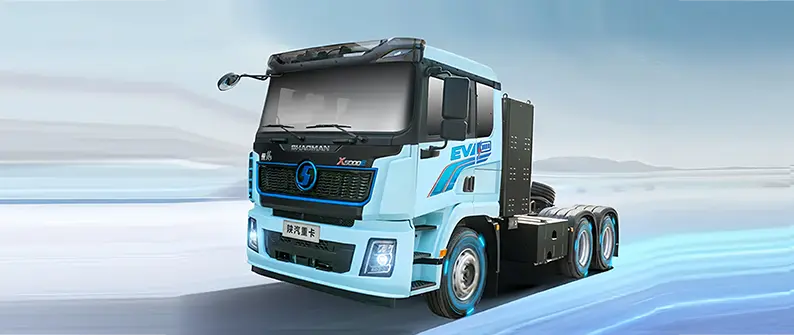
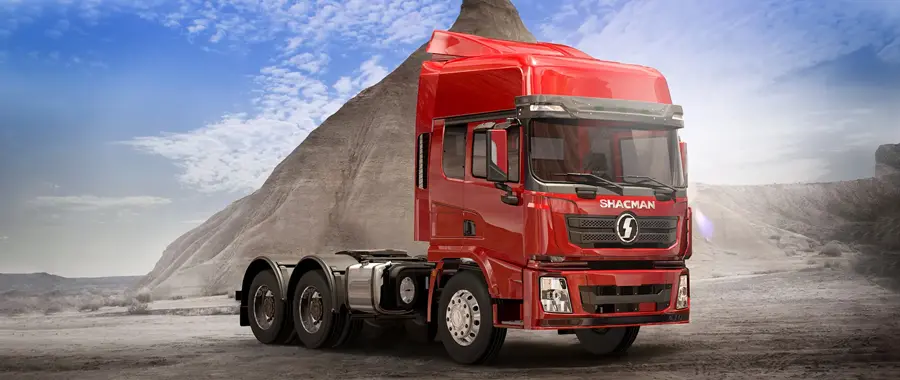
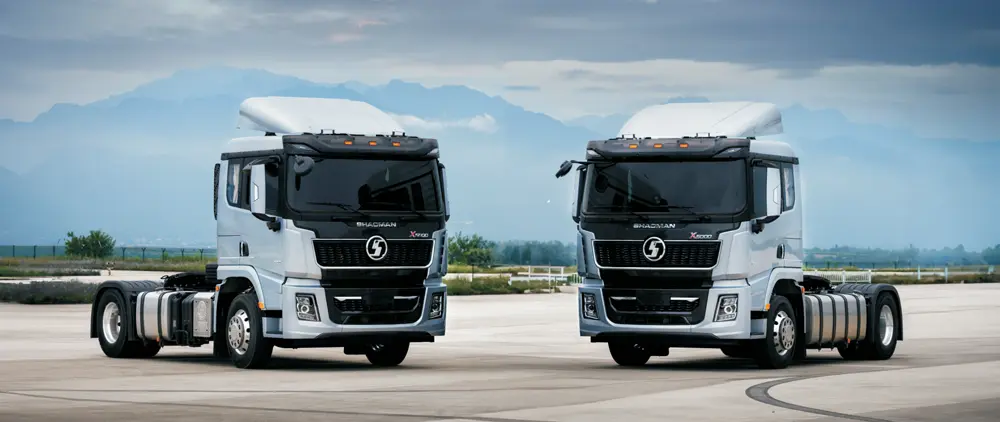
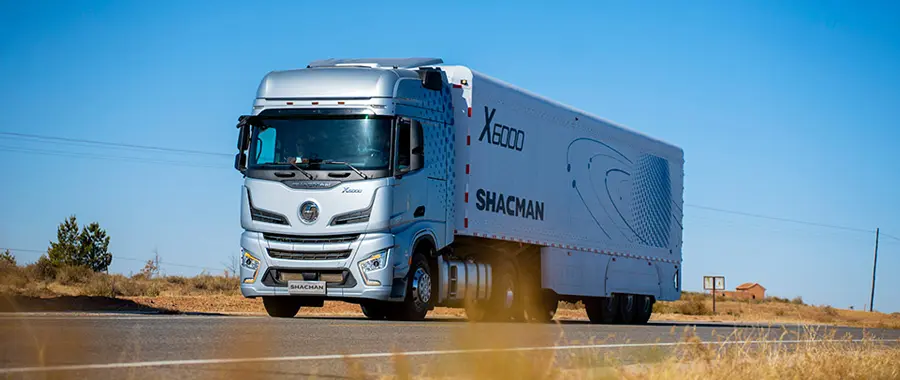
1.1 Shacman F300 4×2 Tractor Head (Long-Haul Logistics, 340–375HP Weichai)
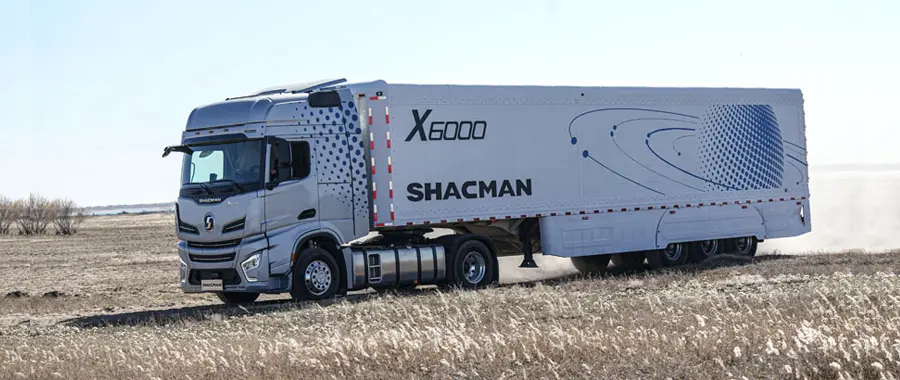
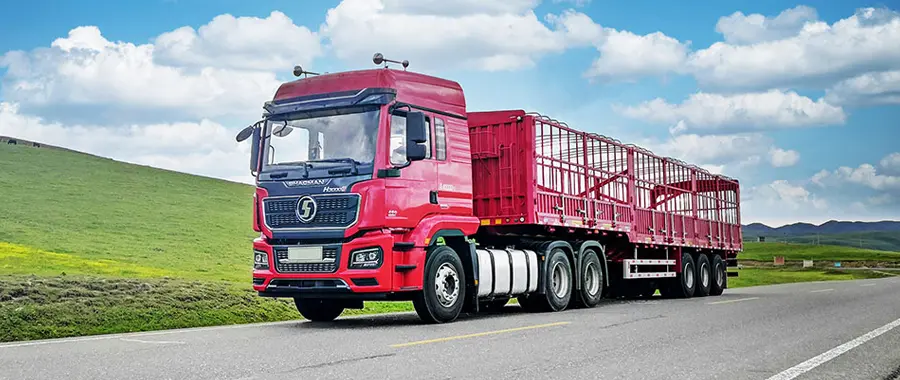
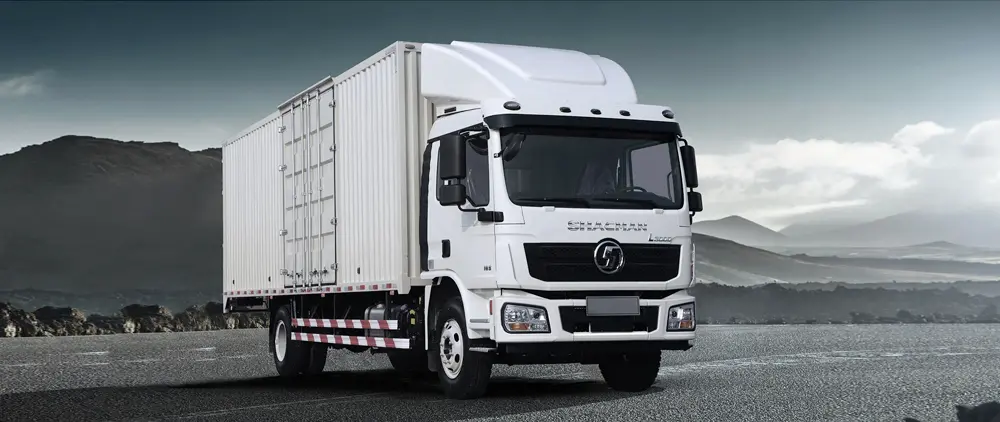
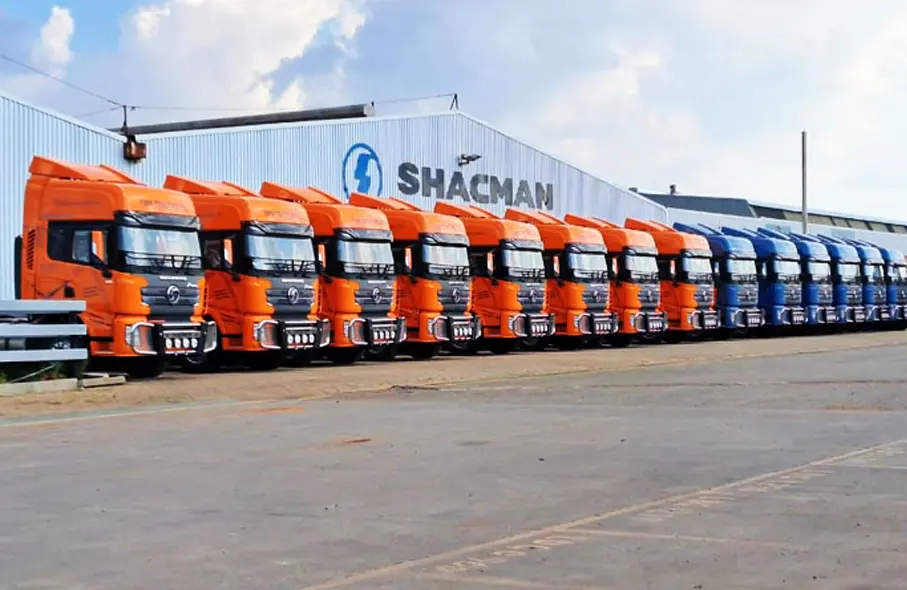
Designed for highway container and bulk cargo haulage, the light chassis reduces empty weight for better fuel efficiencySHACMAN
Empty running highway: 21–23 L/100km
Standard full load + flat highway: 22.4–25 L/100km
Mixed highway + minor hilly roads: 25–28 L/100km
Annual fuel saving advantage: Compared with European same-class tractors, F3000 cuts fuel cost by 15–20% per 120,000km mileageSHACMAN.
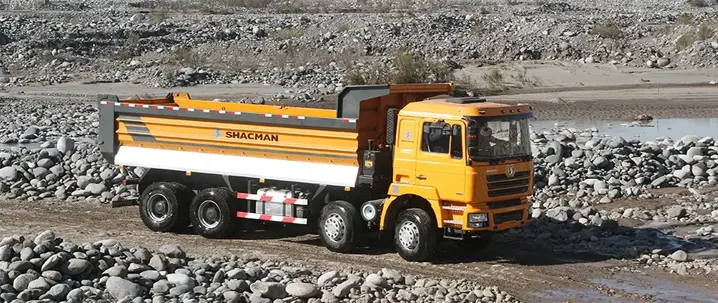
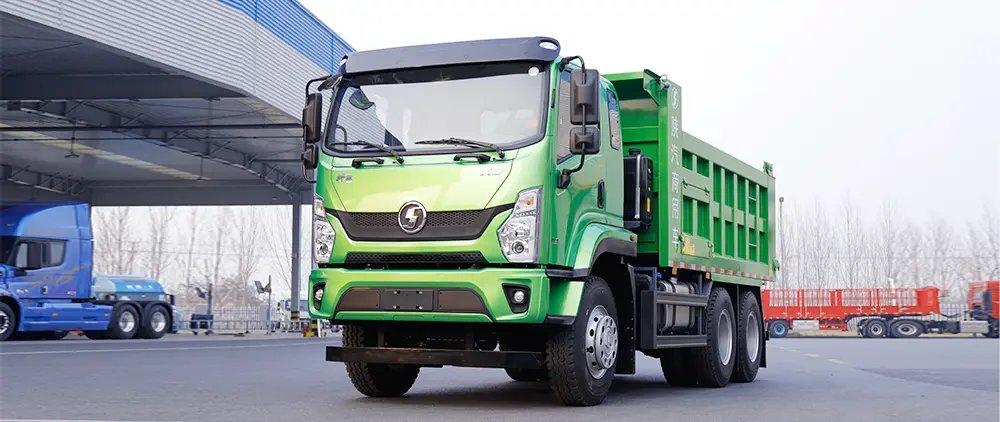
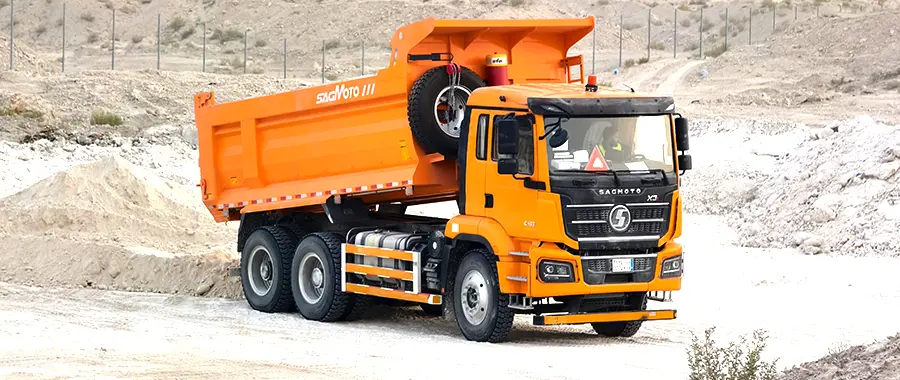
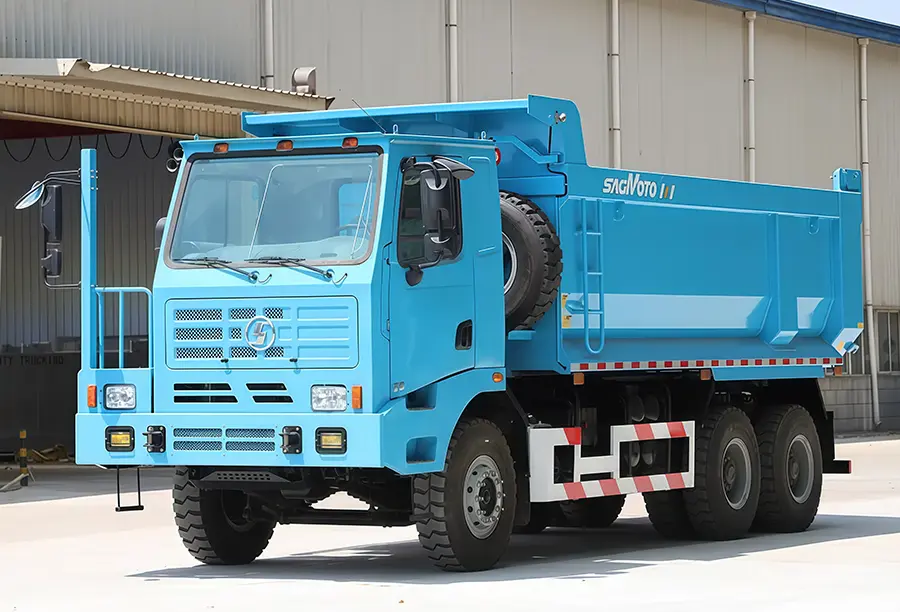
For oilfield, remote mountain and muddy mining sites with transfer case, higher fuel usage due to full 6-wheel drive systemSHACMAN.
Full load cross-country terrain: 31–33 L/100km
Compared with 4×2 tractor: About 9L extra per 100km on identical routes.
2. Core Engine Tech That Controls F3000 Fuel Economy
Nearly all export F3000 units adopt Weichai WP10 / WP12 series diesel engines (336HP–420HP), the core fuel-saving foundationSHACMAN:
Bosch 1600bar high-pressure common rail injection: Fine atomization for full combustion, reduces incomplete burning fuel waste by 10%
Low-speed high-torque output (1000–1400rpm reaches peak torque): No frequent downshift on slopes, avoid extra fuel surge
Multi-stage power saving switch: Drivers can switch light-load/economy mode on empty trips to cut consumption by 3–5L
Thermostatic cooling fan + water separator fuel filter: Lower idle fuel waste and prevent injector clogging
Euro II / Euro IV / Euro V emission options calibrated for local low-quality diesel in emerging markets, no sharp fuel rise under poor fuel quality
Matched with Fast 10-speed / 12-speed manual transmission and HanDe heavy-duty axles with optimized gear ratio, the whole powertrain achieves 12.4% lower fuel consumption than old-generation competing heavy trucks under standard construction routes (official 2026 test report)SHACMAN.
3. Key Factors That Make Shacman F300 Fuel Consumption Rise
3.1 Payload Overload
Every extra 3 tons overload adds 2–4 L/100km fuel usage; long-term overloading also damages fuel injectors and increases long-run fuel cost.
Avoid overload; match payload to official rated capacity
Service fuel injectors and pump every 50,000km to keep full atomization
Choose original Weichai spare filters; aftermarket cheap filters easily cause fuel waste
5. Operator Real Testimonial (African Fleet Case)
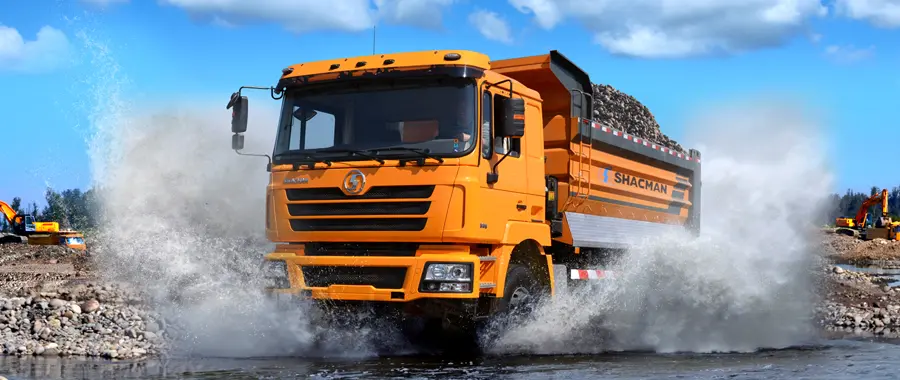
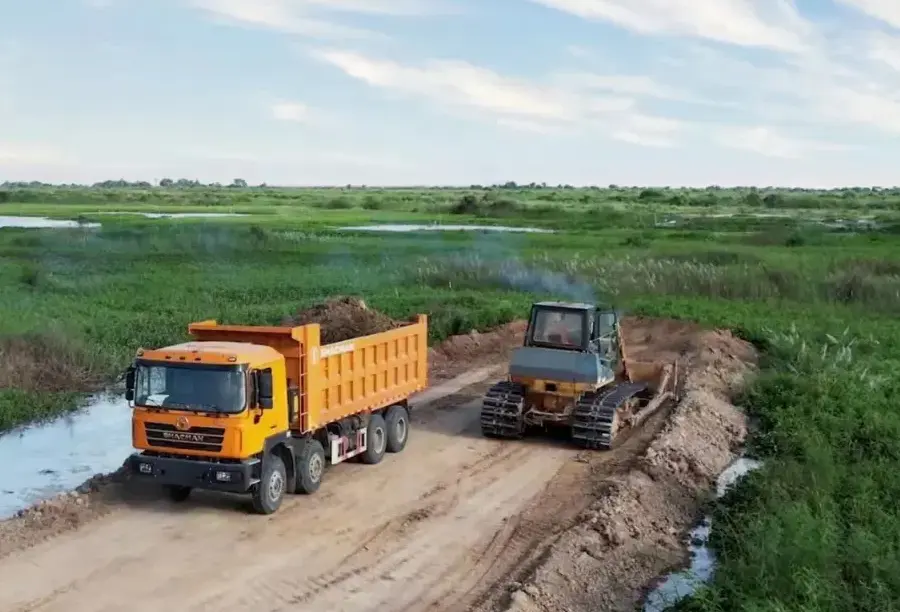
A fleet manager from Zambia copper mine runs 12 units of Shacman F3000 6×4 tippers for ore transport. Monthly mileage per truck reaches 8,000km full load mountain roads.
“Our previous Japanese second-hand trucks hit 38–42 L/100km fully loaded. After switching to Shacman F3000, average fuel dropped to 29–32 L/100km. Each truck saves around $280 diesel cost every week. Within 11 months, fuel savings offset part of the vehicle purchase gap.”SHACMAN
Another Ghana logistics company using F3000 4×2 tractors for cross-country container haulage confirms flat highway full-load fuel stays stable at 23–25 L/100km, much more economical than European brands of the same tonnage.
6. Fuel Tank & Endurance Reference
Standard F3000 fuel tank capacity: 400L steel side tank (optional 600L long-distance double tank)
400L tank empty highway driving range: Around 1,600km
400L tank full-load mine route range: Around 1,100–1,300km
Conclusion
Shacman F300 balances strong heavy-load power and controllable fuel consumption, positioning it as a cost-effective choice for small and medium fleets in developing markets. For highway logistics tractors, its fuel performance stands out; for mining tippers, while consumption rises on rough roads, it still beats many competing heavy trucks by 10–20% in fuel efficiency.
By selecting matching horsepower for your transport scenario, following regular maintenance and adopting fuel-saving driving operations, fleet owners can keep F3000 fuel consumption at the optimal level and maximize long-term profit.
3. Separated Short Paragraph Materials (For Social Media / Blog Snippets)
Short Snippet 1 (Facebook/Instagram Post)
Wondering real Shacman F300 fuel consumption?
✅ 4×2 Tractor full highway load: 22–25 L/100km
✅ 6×4 Mine tipper full load: 28–33 L/100km
✅ 8×4 heavy dump truck mountain road: 34–38 L/100km
Equipped with fuel-efficient Weichai engine, F3000 cuts your monthly diesel bills significantly vs old heavy trucks.
Short Snippet 2 (Forum Q&A Material)
Q: How many liters per 100km for Shacman F3000 6×4 tipper fully loaded mine work?
A: Under rough mine roads with frequent loading idle, average fuel consumption ranges from 30 to 35 L/100km. On flat construction sites without long waiting, it drops to 26–30 L/100km. Regular filter maintenance can lower consumption by 3–5L.
Short Snippet 3 (YouTube Video Script Opening)
Today we break down authentic Shacman F300 fuel consumption data for all mainstream models: tractor head, 6×4 tipper, 8×4 mixer and off-road 6×6 chassis. We will compare empty, half and full load fuel usage, share factory fuel-saving tech and practical tips to reduce your diesel cost every month.
4. Data Table for Article Insertion (Clear Comparison)
Table 1: Shacman F300 Fuel Consumption by Model & Load (L/100km)
VS European heavy trucks: F3000 fuel consumption 15–20% lower under identical load and route, with much cheaper spare parts
VS old second-hand Japanese tippers: F3000 saves 6–10 L/100km fully loaded, less breakdown downtime offsetting fuel savings
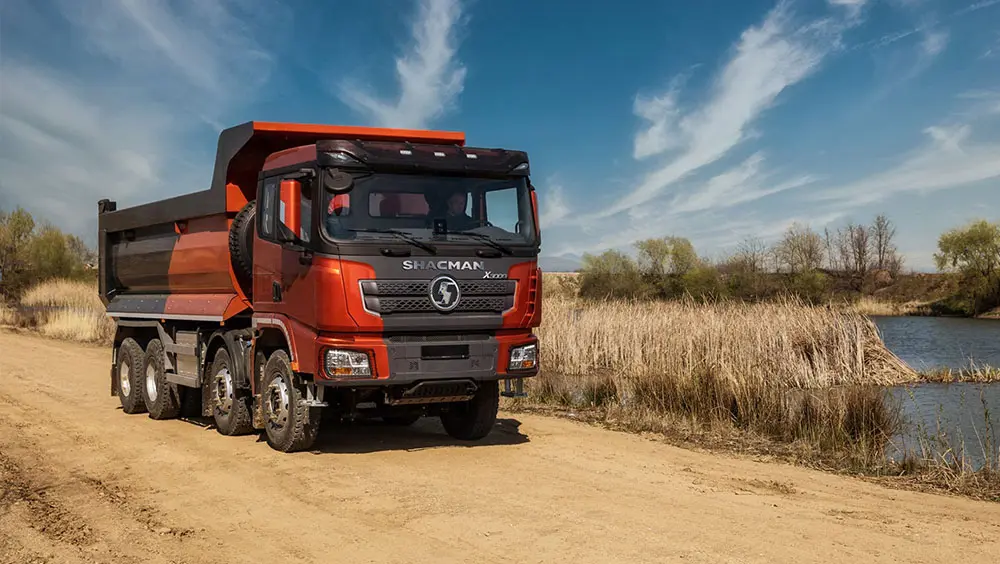
VS Shacman X3000: X3000 highway fuel slightly better for pure long haul; F3000 more cost-efficient for mine/construction mixed working scenarios
6. Export Market Localized Material (Africa Focus, High Search Volume)
For clients in Ghana, Nigeria, Zambia, Tanzania, DRC: Most local fleets run F3000 6×4 tippers for gold, copper mine and road construction. Local operators report the Weichai engine tolerates low-standard local diesel without sharp fuel consumption spikes, a huge advantage over brands sensitive to poor fuel quality. Many mine fleets calculate return on investment purely based on F3000’s stable fuel economy.