Stay up-to-date with the
Press Releases

If you are sourcing heavy-duty trucks for mining operations in Africa, the question of which Chinese brand to choose is not simple. The answer depends on what your operation actually needs—payload capacity, terrain conditions, parts availability, and service network depth all matter. This analysis examines three major Chinese manufacturers with real deployment records in African mining: SHACMAN, SINOTRUK, and FAW, using verifiable operational data rather than marketing claims.

African mining operations face conditions that standard road trucks cannot handle: unpaved haul roads with gradients exceeding 20%, tropical heat above 40°C, monsoon mud that swallows 4×2 vehicles, and remote sites where downtime costs more than fuel. A truck that works in Europe or on Chinese highways may fail within months in the Copperbelt.

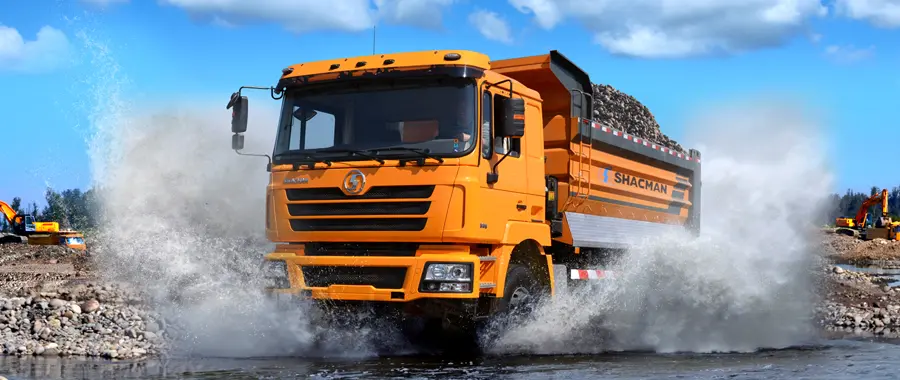
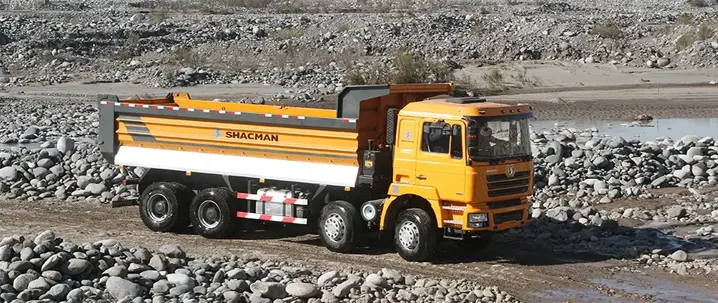
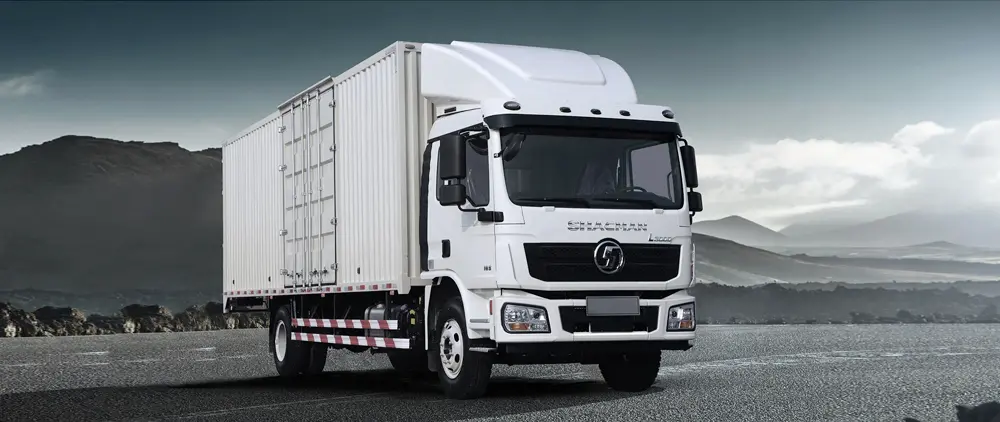
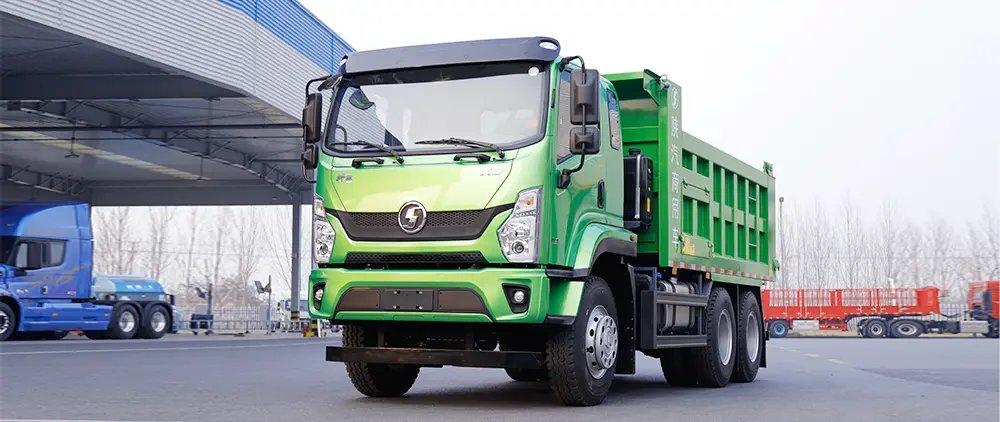
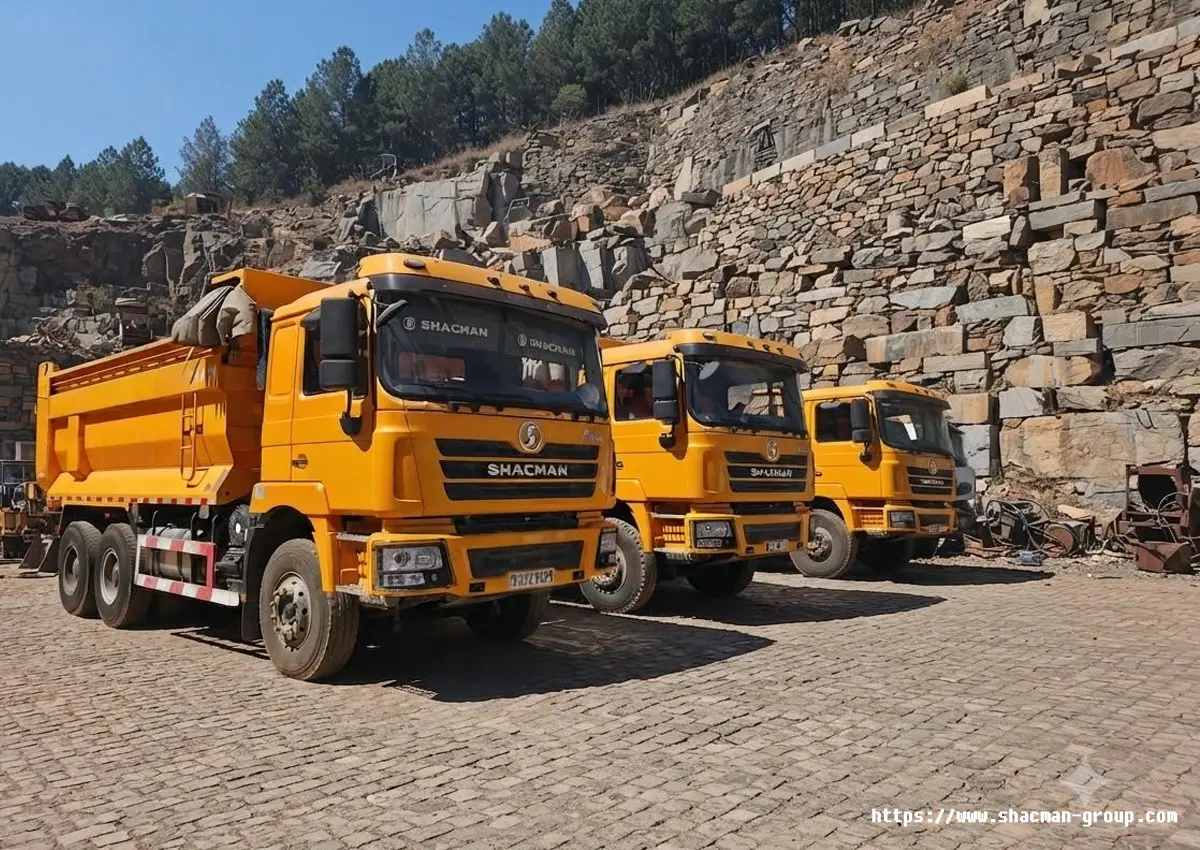
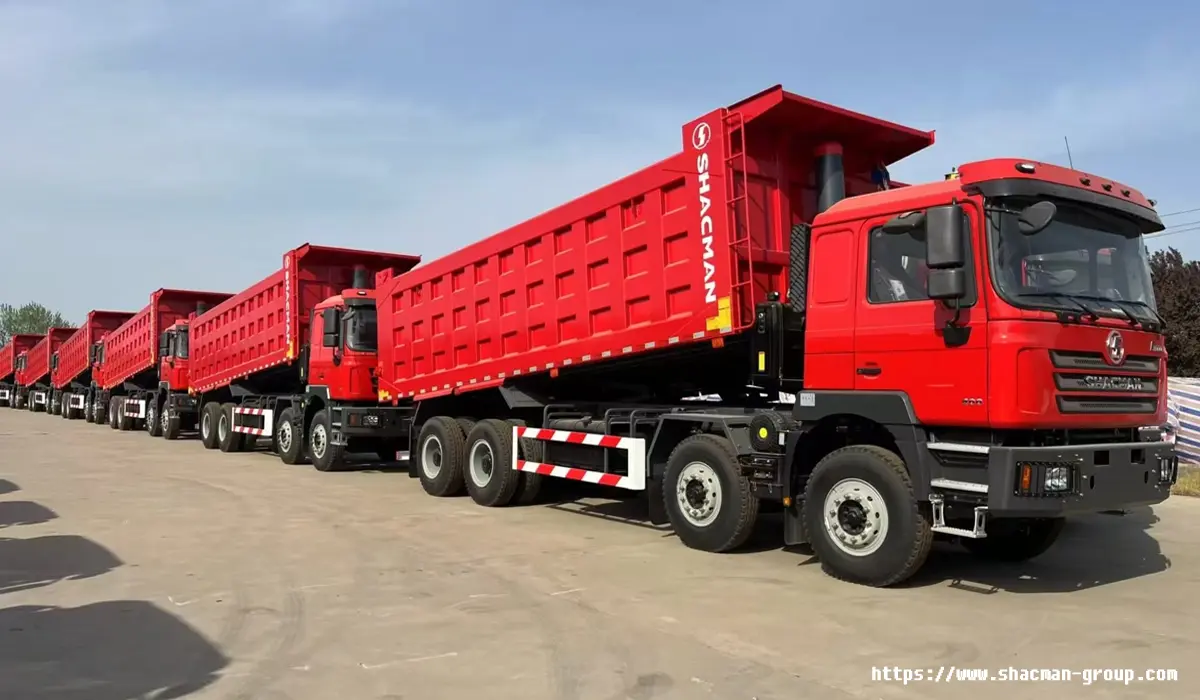
SHACMAN’s most significant African mining deployment is the Trans-Guinean Railway corridor, linking the Simandou iron ore deposit to the Port of Morebaya. Over 1,300 SHACMAN heavy-duty trucks operated around the clock during construction, including the first large-scale deployment of the F3000 Super Edition Dump Truck.
The operating conditions were extreme: Guinea’s rainy season brings over 4,000 mm of coastal precipitation, creating deep mud conditions. The F3000 Super Edition was specifically upgraded with full-coverage protection (front bumper, fuel tank, tail lamps), increased ground clearance, and sealed electrical components to handle both monsoon humidity and dry-season dust.

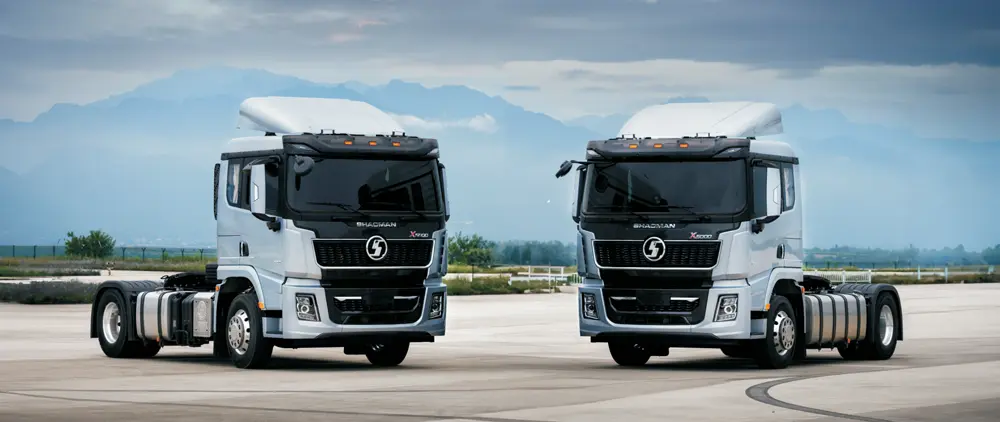
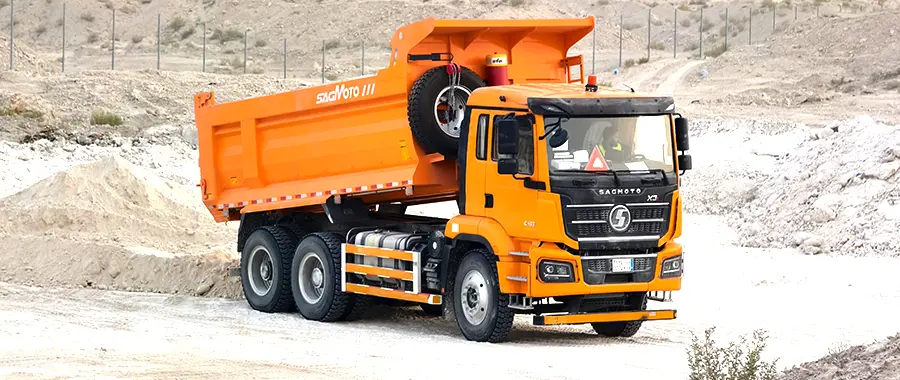
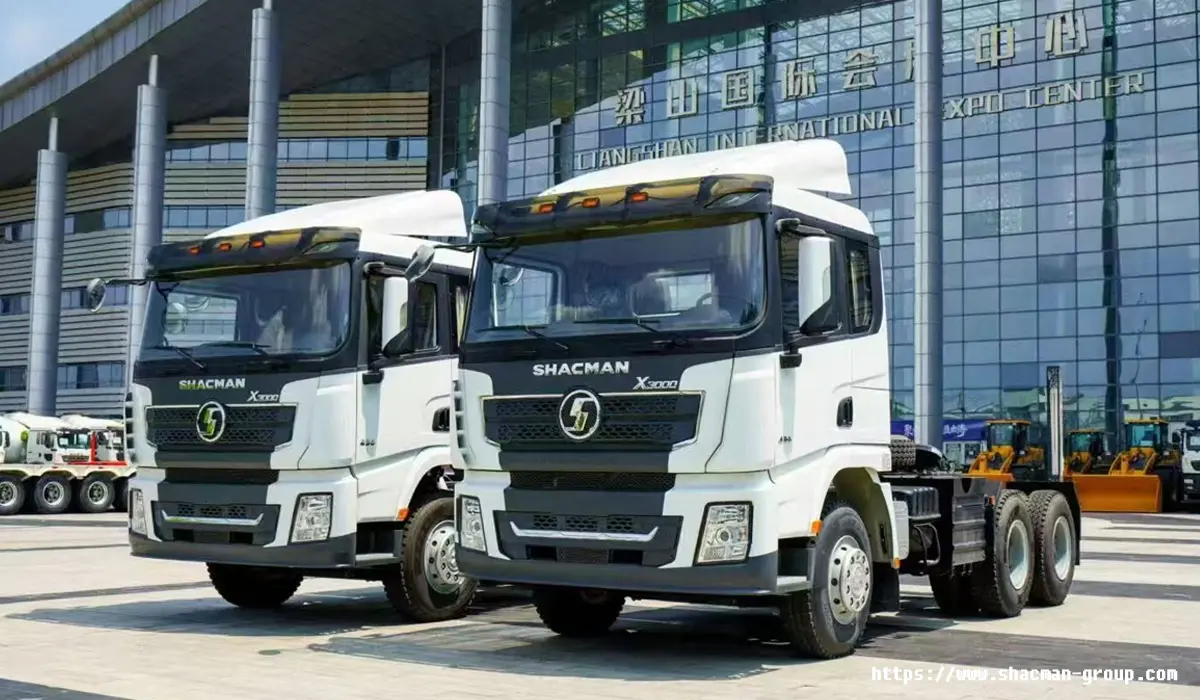
In Zambia’s Copperbelt region, the SHACMAN X3000 Dump Truck is configured for open-pit copper mines and unpaved haul roads. The specification includes Weichai or Cummins engines producing 380–460 HP, FAST transmissions, and high-strength Hande MAN double-reduction hub axles with inter-wheel differential locks.
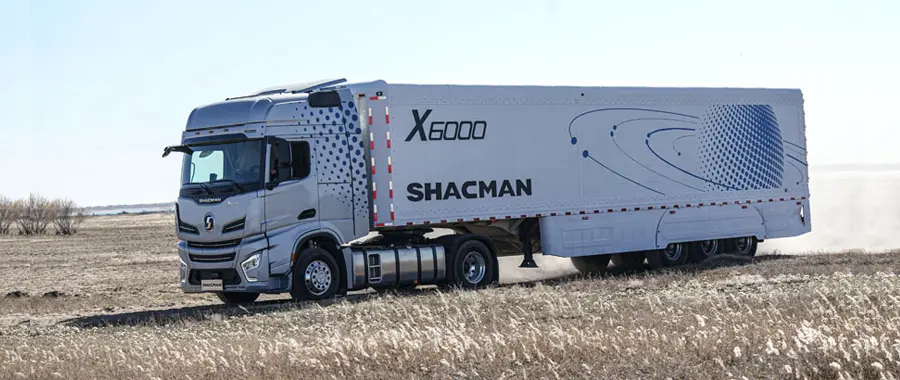
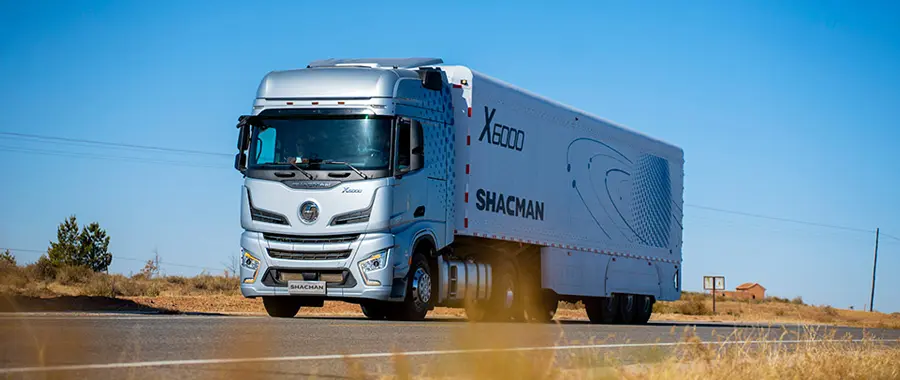
According to SHACMAN’s operational data, the X3000 series reduces fleet operation and maintenance costs by more than 15% compared with competing products in the same segment. The cab uses European ECE-R29 crash-tested construction with 4-point air suspension.
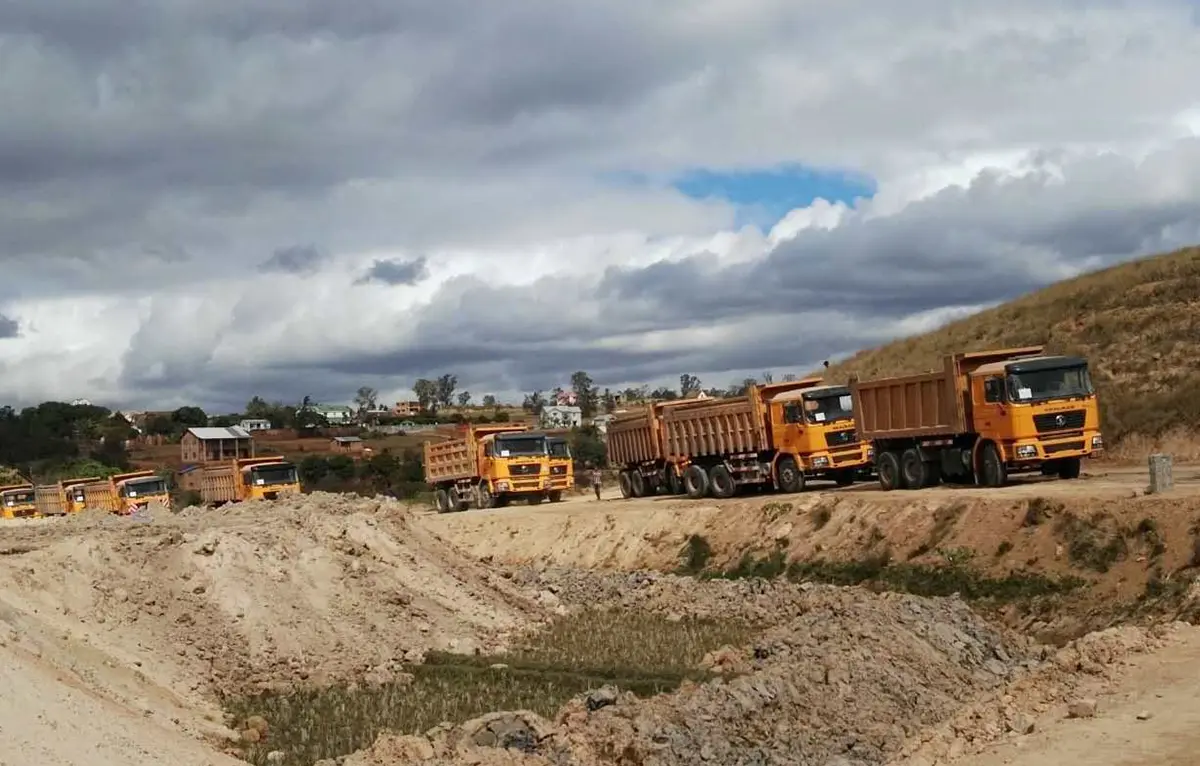
SHACMAN’s mining credentials are built on large-scale, multi-year deployments in some of Africa’s most demanding mining environments. The F3000 platform has operated at Lumwana Mine in Zambia for roughly eight years, becoming a familiar sight in that operation. For buyers who prioritize proven durability in extreme conditions, SHACMAN has the strongest documented track record.

SINOTRUK (China National Heavy Duty Truck Group) has been China’s heavy-duty truck export leader for 21 consecutive years. In January 2026 alone, the company exported 16,000 heavy-duty trucks, breaking its previous monthly record.
In mining specifically, SINOTRUK’s HOWO platform has substantial deployment in the Democratic Republic of Congo’s Katanga region. The HOWO 8×4 dump truck is described as “the first choice for mine material transport in Katanga,” with 28 cubic meter capacity, HYVA front lifting system, and reinforced driven axles. The dedicated HOWO Mining King Tipper, with 420–540 HP and 31–34 cubic meter capacity, is designed specifically for open-pit mining conditions.
SINOTRUK’s advantage is volume and parts ecosystem. With over 1 million Sinotruk trucks operating worldwide and exports to 150+ countries, parts availability is generally strong. For buyers who prioritize predictable maintenance costs and wide parts distribution, SINOTRUK is a safe choice. The trade-off is that its HOWO platform is older-generation technology compared with SHACMAN’s X3000/X6000 series.
FAW has documented mining deployments in West Africa. In Guinea, a customer purchased 50 FAW JH6 tractors with 420HP engines and 16T double-side reduction axles, specifically configured for bauxite transport in complex mining areas. The dump trailers used NM450 sheet metal to withstand loading and unloading impact at mine sites.
The same customer also purchased 100 J6P 460HP tractors for towing dump trailers in West Africa.
In Tanzania, FAW offers the JH6 dump truck with 29 cubic meter capacity, described as “the most reliable and strongest load-bearing dump truck in Tanzania” for mineral transport. The J5P dump truck (19 cubic meter capacity) is also positioned for mining and construction applications.
FAW’s mining presence is more fragmented than SHACMAN or SINOTRUK. It has strong deployments in specific markets (Guinea bauxite, Tanzania) but does not have the same breadth of documented mining operations across the continent. For buyers in West Africa or East Africa where FAW has established service networks, it can be a solid choice. Outside those regions, parts and service support may be less predictable.
| Factor | SHACMAN | SINOTRUK | FAW |
| Mining-specific models | F3000 Super Edition, X3000 | HOWO Mining King, HOWO 8×4 | JH6, J6P, J5P dump |
| Documented large-scale deployments | 1,300+ trucks (Guinea) | Katanga DRC, Ghana | Guinea bauxite (150 tractors) |
| Parts availability in Africa | Strong (local warehouses) | Very strong (highest volume) | Moderate (varies by market) |
| Technology generation | Current (X3000/X6000) | Mature (HOWO platform) | Current (JH6) |
| Best fit | Extreme conditions, proven durability | Volume fleets, parts predictability | Specific markets with local support |
For most mining operations in Africa, SHACMAN and SINOTRUK are the two strongest candidates. The choice between them depends on your priority:
Choose SHACMAN if your operation involves extreme terrain, heavy payloads, and you value proven durability in conditions similar to the Simandou or Copperbelt deployments. The F3000 Super Edition and X3000 are engineered for exactly these environments.
Choose SINOTRUK if you prioritize parts availability and a mature service ecosystem. The HOWO platform’s long presence in African mining means local mechanics are familiar with it, and parts are widely stocked.
Consider FAW if you are operating in a market where it has established presence (Guinea, Tanzania, Senegal) and can verify local service support.
No single brand is universally “best.” The right choice depends on your specific mine site, haul road conditions, payload requirements, and—critically—the depth of local parts and service support in your country. Before committing to a fleet purchase, verify that the brand has physical parts inventory and trained technicians within reasonable distance of your operation. A truck is only as good as the support network behind it.


Copyright @2023 Shacman. All Rights Reserved. Privacy Policy.