Stay up-to-date with the
Press Releases

Importing Shacman trucks directly from China can reduce fleet acquisition costs by 20% to 35% compared to purchasing through local dealers in many markets. However, the process involves navigating export licensing on the Chinese side, ocean freight logistics, destination customs clearance, and local vehicle registration. This guide breaks the entire workflow into clear, actionable steps.
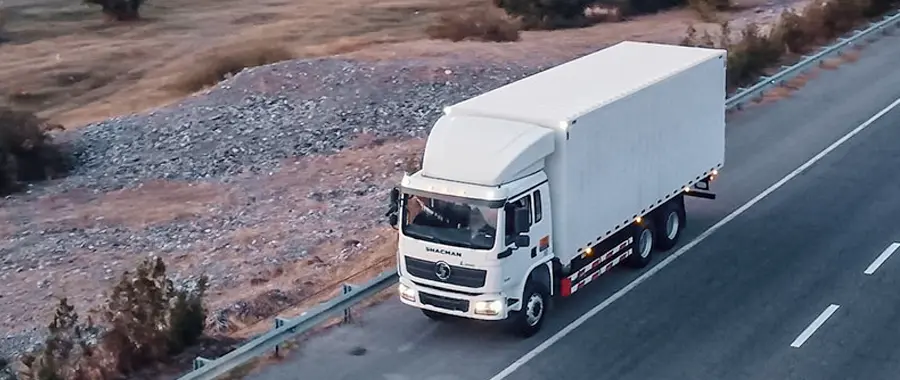
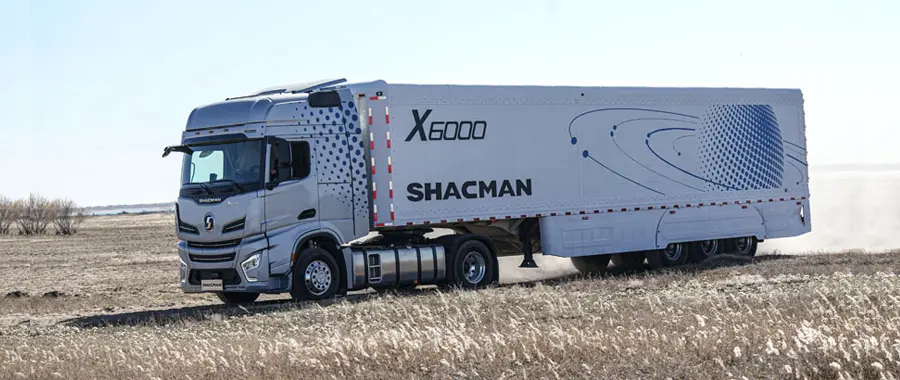
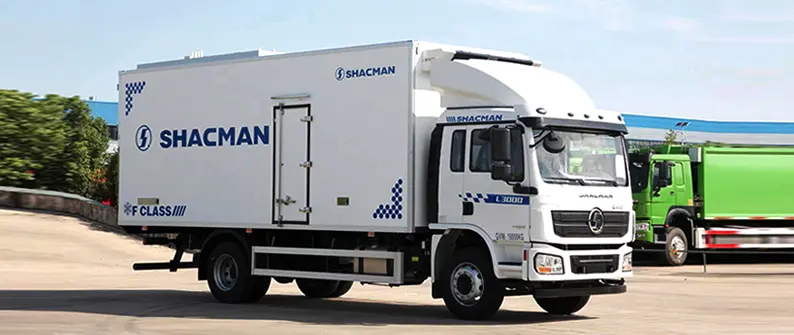
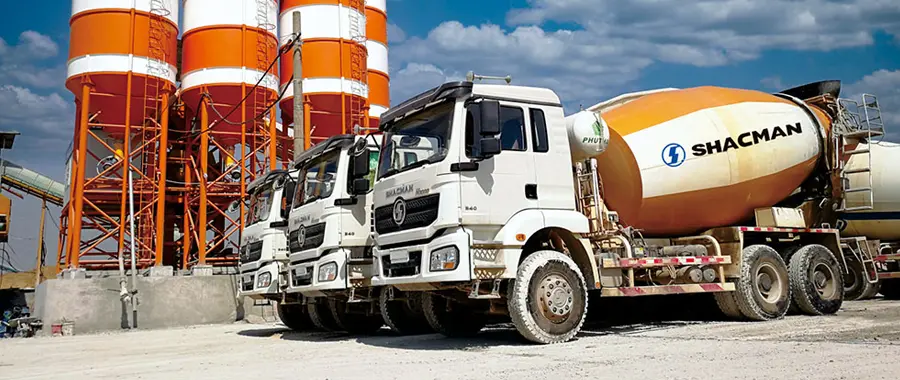
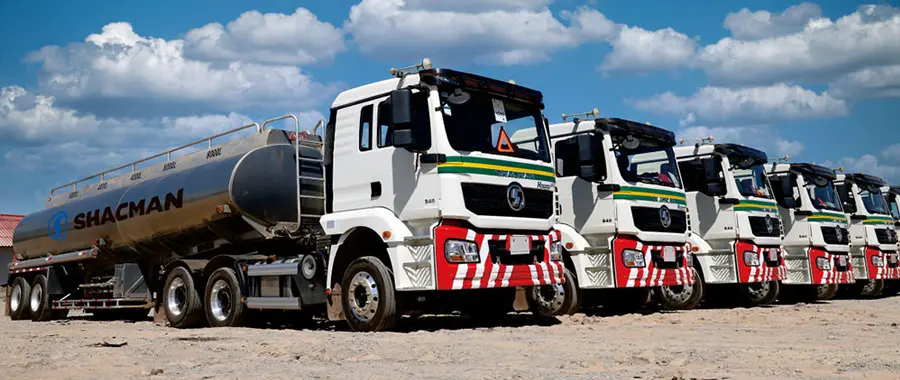
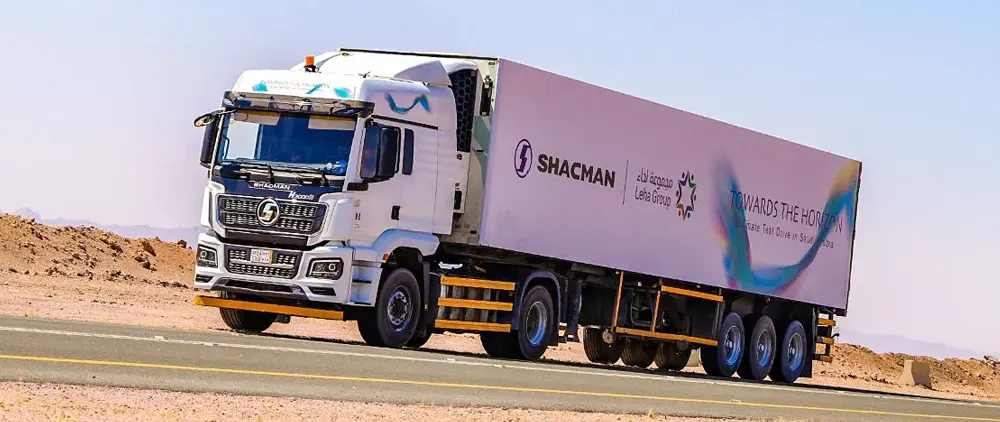
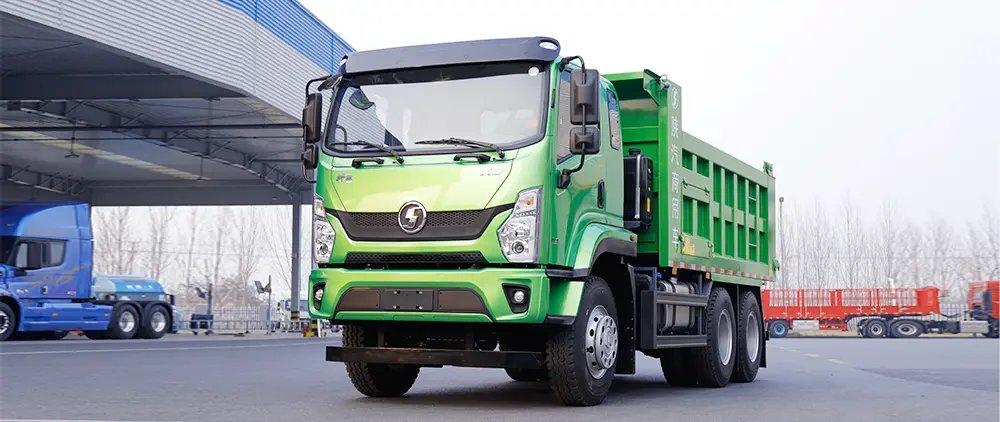
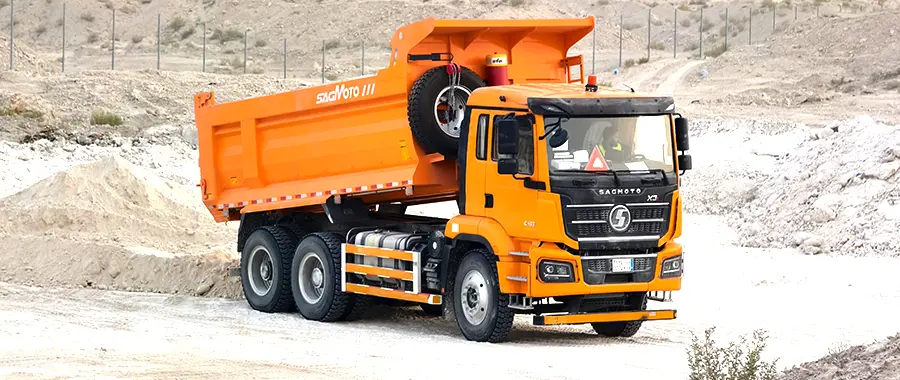
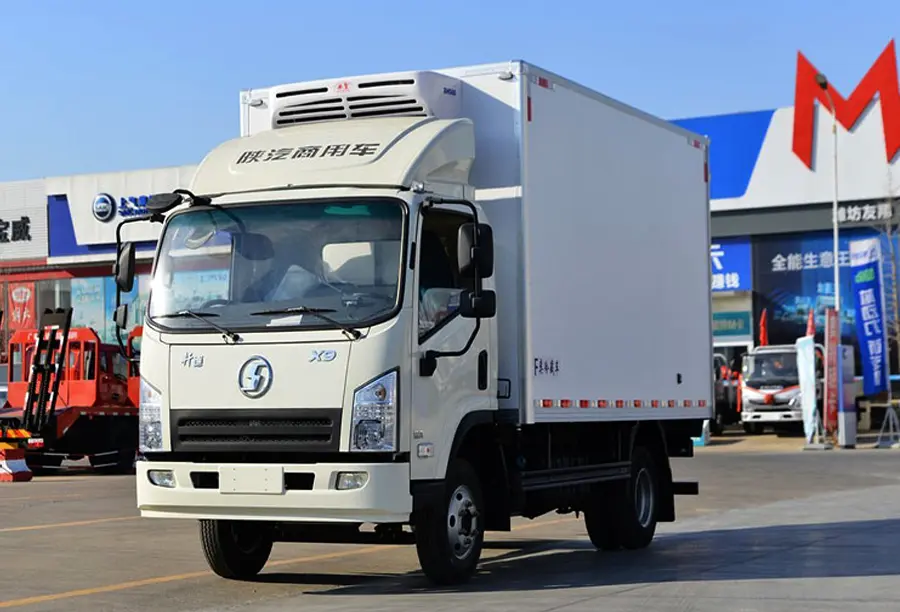
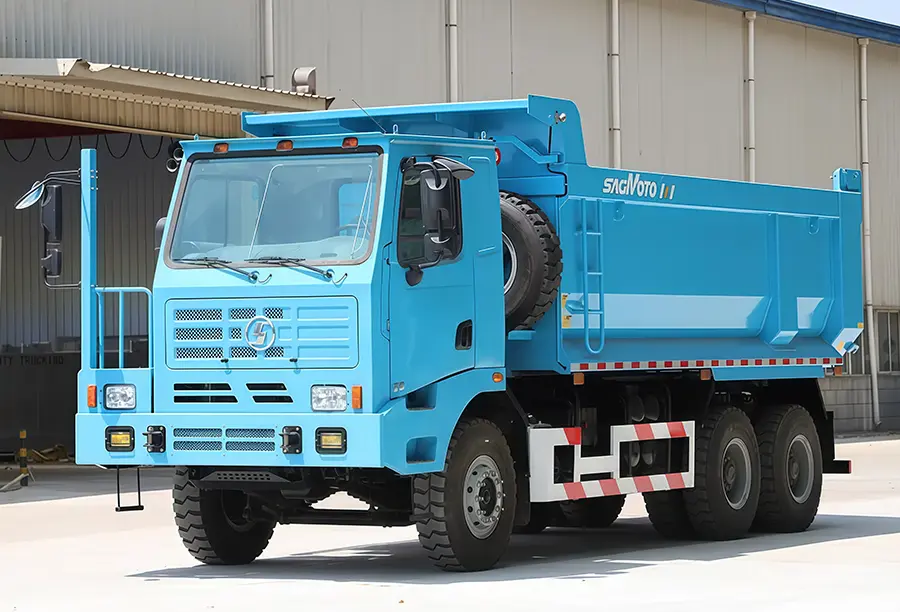
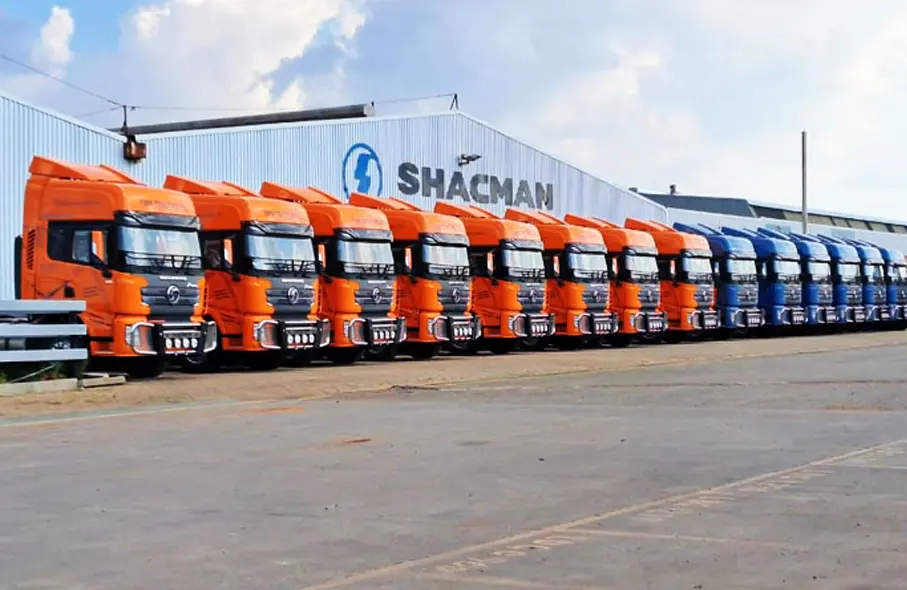
Shacman (Shaanxi Automobile Holding Group) has become one of the most exported Chinese heavy truck brands, with a global network of over 100 international dealers and established service hubs across Africa, the Middle East, Southeast Asia, and Latin America.
Key advantages for importers:
| Factor | Shacman Advantage |
| Price | Typically 30%–40% lower than equivalent Western brands |
| Engine options | Weichai, Cummins, and MAN-based platforms across model lines |
| Emission coverage | Euro 2 through Euro 5 variants available for different market requirements |
| Parts availability | Weichai engine parts are widely distributed even in secondary African markets |
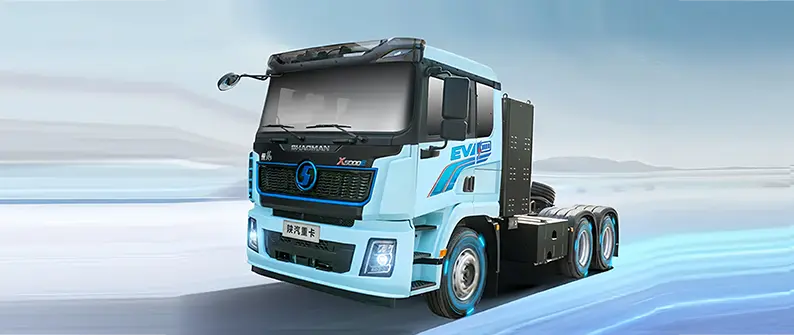
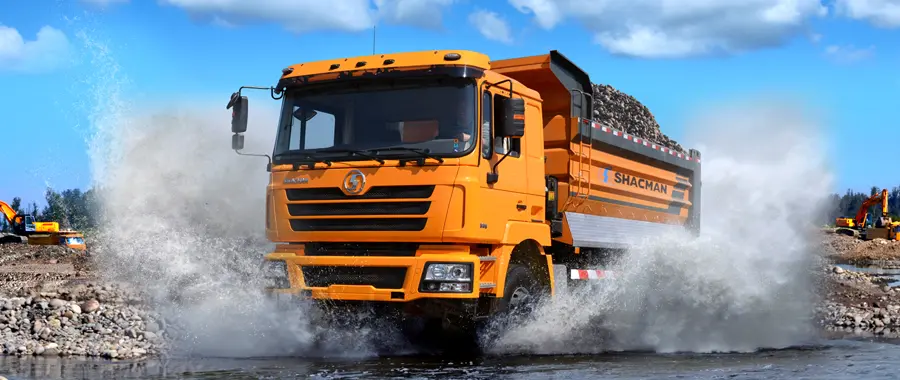
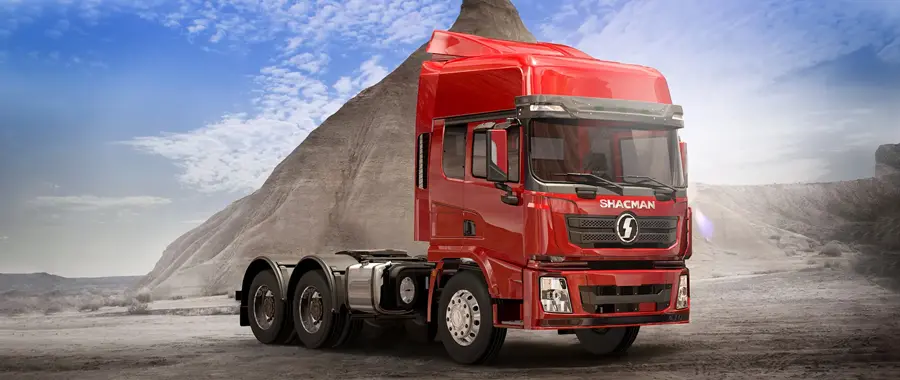
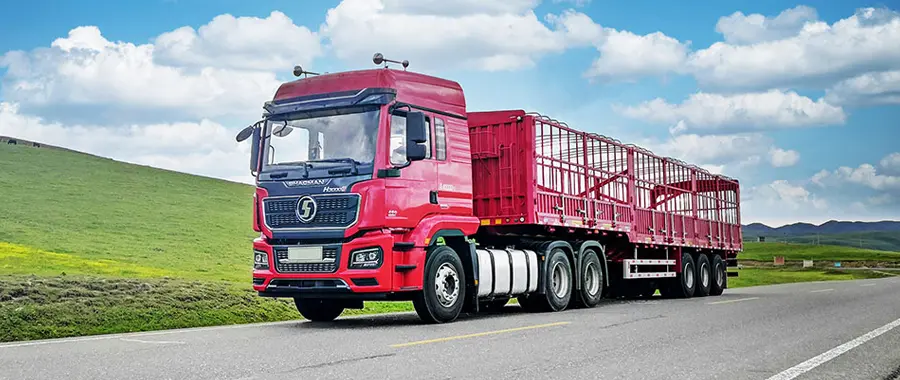
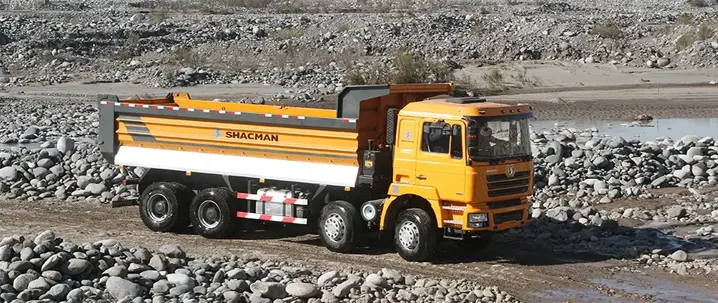
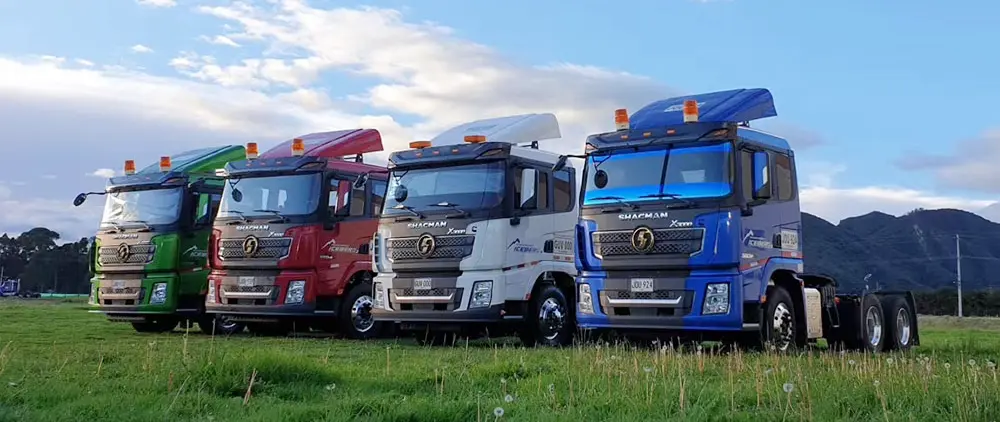
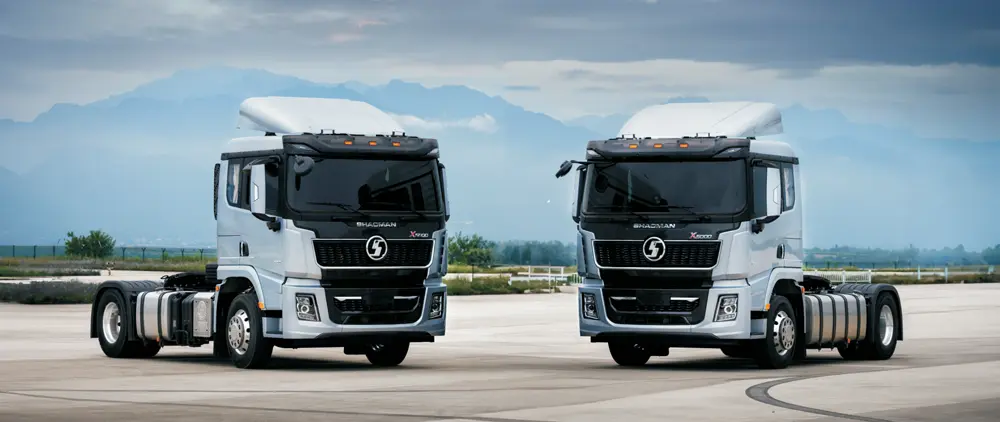
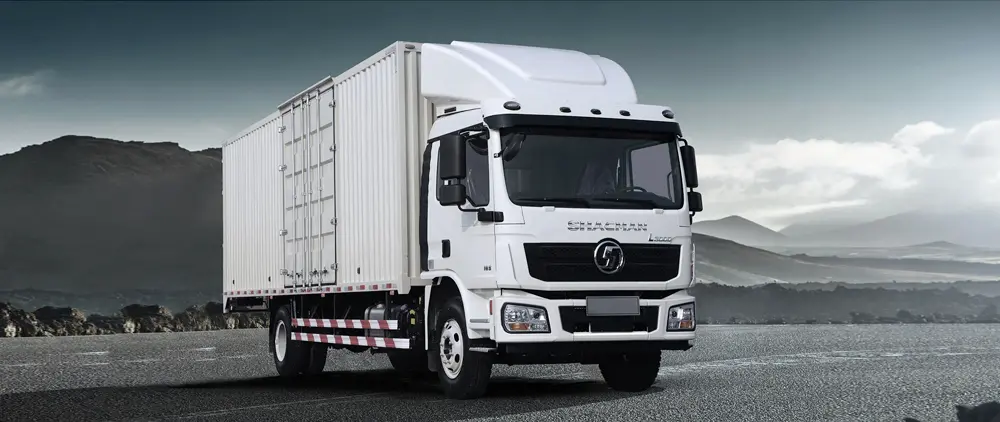
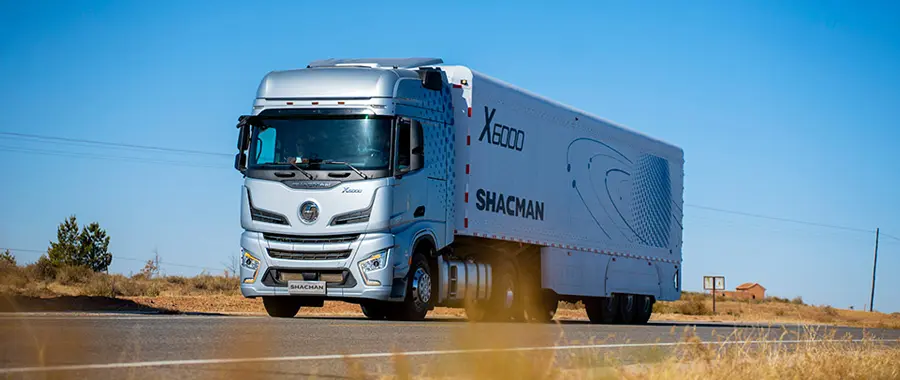
Popular models for export include the F3000 (mining and construction), X3000 (long-haul tractor), and H3000 (tipper and specialized applications). Before ordering, confirm that your chosen model’s emission standard and axle configuration match your destination country’s regulations. A mismatch can lead to port rejection or costly engine modifications after arrival.
There are three primary channels for buying Shacman trucks from China:
Authorized export dealer or regional distributor — holds a valid agreement with Shaanxi Automobile Holding Group.
Independent export agent with a proven Shacman export record.
Trading company or B2B platform — often lacks direct factory access, which can affect lead time and parts support.
For fleet purchases, prioritize suppliers who can provide factory-direct documentation, pre-shipment inspection reports, and after-sales parts references in your region.
Commercial trucks fall under China’s automobile export license management system. The manufacturer or exporter must hold a valid export qualification issued by the Ministry of Commerce (MOFCOM). Since 2025, the application process has been fully online through the Automobile and Motorcycle Export License Declaration System, allowing same-day license issuance in many cases.
Key points for importers:
The exporter must have completed the annual export qualification declaration through MOFCOM.
The export license is tied to specific vehicle models and brands.
For modified or specialized vehicles (e.g., tippers, tankers), additional authenticity documentation from the manufacturer is required.
Ask your supplier for the export license number and a copy before signing the purchase contract. Without it, customs declaration at the Chinese port cannot proceed.
The documentation package serves two purposes: Chinese export clearance and destination import clearance. Missing or inconsistent documents are the most common cause of port delays.
Your supplier should prepare the following for export declaration:
| Document | Purpose |
| Commercial Invoice | Specifies model, quantity, unit price, total value, and Incoterms |
| Packing List | Lists each vehicle’s VIN, engine number, gross/net weight, and packaging |
| Export Contract | Purchase agreement between buyer and Chinese exporter |
| Export License | Issued by MOFCOM via the online declaration system |
| Certificate of Origin | Issued by CCPIT or Customs; used for tariff preference in destination country |
| Bill of Lading | Ocean B/L marked “clean and on board” |
| Vehicle Technical Specifications | Factory-issued data sheet with engine, axle, and dimension details |
Many countries require additional certification before or upon arrival:
GCC certification for Gulf Cooperation Council markets
SONCAP for Nigeria
PVoC for Kenya, Tanzania, and Uganda
TISI for Thailand
VR certification for Vietnam
INMETRO homologation for Brazil
A supplier experienced in your target market should provide these certificates before shipment. Obtaining them after the truck arrives is significantly more expensive and time-consuming.
Two methods dominate Shacman truck exports from China:
| Method | Best For | Advantages | Disadvantages |
| RoRo (Roll-on/Roll-off) | Full trucks, bulk fleet orders | Lower cost per unit; no disassembly; reduced handling damage | Limited port coverage; less frequent schedules |
| Container / Flat Rack | Small batches, specialized dimensions | Available at most ports | Higher unit cost; requires partial disassembly or custom racking |
RoRo is the standard choice for full Shacman trucks. Major Chinese export ports with regular RoRo routes include Shanghai, Tianjin, Guangzhou, and Qingdao. For example, RoRo freight from Shanghai to Lagos typically takes 28–35 days and costs approximately $1,700–$2,500 per heavy truck depending on vessel and season.
Use FOB (Free On Board) terms from a Chinese port to clearly define the handover point.
Purchase marine insurance (All Risks) before the vessel departs.
Confirm the Incoterms with your supplier in writing — CIF, CFR, and FOB carry different risk allocations.
Customs procedures vary by country, but the core sequence is consistent across most import markets.
Most customs authorities now require pre-arrival lodgement of the import declaration. For example:
South Africa (SARS) requires declaration submission before the truck arrives at the border, followed by tariff classification and duty calculation.
Nigeria requires the Form M to be processed through an Authorized Dealer Bank before shipment, and a Pre-Arrival Assessment Report (PAAR) after shipping documents are available.
Kenya requires an Import Declaration Form (IDF) filed through the KRA system, with clearance handled by a licensed clearing agent.
Import duties on heavy trucks vary widely by destination:
Ghana: Import duty of 5%–20% (tractors typically at 5%), plus VAT at 15%, NHIL at 2.5%, GETFund at 2.5%, AU Levy at 0.2%, and ECOWAS Levy at 0.5%. Vehicles over 10 years old face an additional 5%–30% overaged penalty.
Mexico: Recent tariff adjustments impose additional duties of 35%–45% on heavy commercial vehicles from non-FTA countries.
African LDC markets: China applies zero tariffs on heavy-duty trucks exported to 20 non-LDC African nations under its preferential tariff scheme, covering all Shacman-branded trucks and essential parts.
Always verify the current HS code classification for your specific truck type. Diesel trucks for goods transport typically fall under HS 8704.22.00.00 for certain configurations.
Hiring a licensed customs broker in your country is strongly recommended. A broker handles:
Tariff classification and duty calculation
Submission of the customs declaration
Coordination of physical inspection if selected
Release of the vehicle from the port
Provide your broker with the original Bill of Lading, commercial invoice, packing list, certificate of origin, and any conformity certificates at least 5–7 days before vessel arrival.
After customs release, the truck must be registered for road use with the local vehicle authority.
Across most markets, registration requires:
Proof of customs clearance (duty payment receipt or release order)
Certificate of Origin (sometimes consulate-authenticated)
Commercial Invoice with technical specifications
Vehicle Type Approval or Conformity Certificate (varies by country)
VIN and engine number verification
Proof of ownership or title document
Insurance certificate
Roadworthiness inspection certificate
Peru: Requires the original Bill of Lading with full chassis/VIN details, a Certificate of Origin authenticated by the Peruvian consulate, and a commercial invoice with the correct HS code.
Vietnam: Heavy-duty truck imports must obtain VMI Green Logistics Certification before customs clearance and registration.
ASEAN markets: Registration timelines typically involve document review (5–10 days), physical inspection and road test (7–14 days), and certificate issuance (3–8 days), totaling up to 4–6 weeks in some cases
Brazil: Requires INMETRO homologation for heavy trucks entering the local registration system; Shacman has obtained this certification for its long-nose tractor lineup.
| Stage | Typical Duration | Key Cost Drivers |
| Supplier selection & order confirmation | 1–3 weeks | Model, configuration, customization |
| Export documentation & license | 1–2 weeks | Documentation fees, certification |
| Inland transport to Chinese port | 3–7 days | Distance to port |
| Ocean freight (RoRo) | 25–40 days | Route, vessel availability, season |
| Destination customs clearance | 3–10 days | Duty rate, inspection status |
| Local registration & inspection | 2–6 weeks | Country-specific procedures |
Total landed cost should be calculated as: FOB price + freight + insurance + import duty + VAT + port charges + customs broker fees + inland transport + registration fees. A low FOB quote that omits emission compliance or certification costs will almost always result in a higher total landed cost–11.
Ordering the wrong emission standard. Many markets have moved to Euro 4 or Euro 5 while suppliers may still quote Euro 2 or Euro 3 pricing. Confirm the exact emission standard required at your destination port before ordering.
Skipping pre-shipment inspection. A pre-shipment inspection verifies VIN, engine number, configuration, and accessories. Without it, discrepancies may only surface after the truck arrives.
Underestimating overaged vehicle penalties. Several African countries impose significant penalties on trucks exceeding a certain age. For example, Ghana applies 5%–30% of CIF value for vehicles over 10 years old.
Ignoring local after-sales support. Shacman’s service network depth varies by country. For fleet buyers, confirm the availability of Weichai or Cummins engine parts and authorized service points in your operating region before committing to a large order.
Q: Can I import a single Shacman truck, or is there a minimum order?
Most export suppliers accommodate single-unit orders, but per-unit freight and documentation costs are higher. For fleet purchases of 5+ units, negotiate FOB pricing and consolidated shipping.
Q: How long does the entire process take from payment to registration?
Plan for 3 to 5 months for a complete import and registration cycle, depending on destination country, shipping route, and local inspection timelines.
Q: What if the truck fails emissions inspection on arrival?
Options include local engine modification (costing $5,000–$15,000 in many cases), reshipment, or sale to a market with lower standards. This is why pre-order compliance verification is critical.
Q: Does Shacman provide factory-direct export pricing?
Yes, but factory-direct channels typically require larger order volumes. Authorized export dealers can offer competitive pricing for smaller orders while providing documentation and after-sales support.
Ready to source Shacman trucks for your fleet? Contact our export team for model recommendations, factory-direct pricing, and a complete compliance checklist tailored to your destination market.
CHINA TRUCKS SALES
EMAIL:export@shacman-group.com
WHATSAPP:+86-18765900236
website:https://www.shacman-group.com


Copyright @2023 Shacman. All Rights Reserved. Privacy Policy.