Stay up-to-date with the
Press Releases

Africa’s heavy truck market is undergoing a structural shift. In 2024, Africa imported approximately 165,000 heavy trucks, and the share held by Chinese brands rose from 21.1% in 2016 to 57.5%. In Central, East, and West Africa, Chinese heavy trucks now account for 80%, 77%, and 73% of the market respectively.
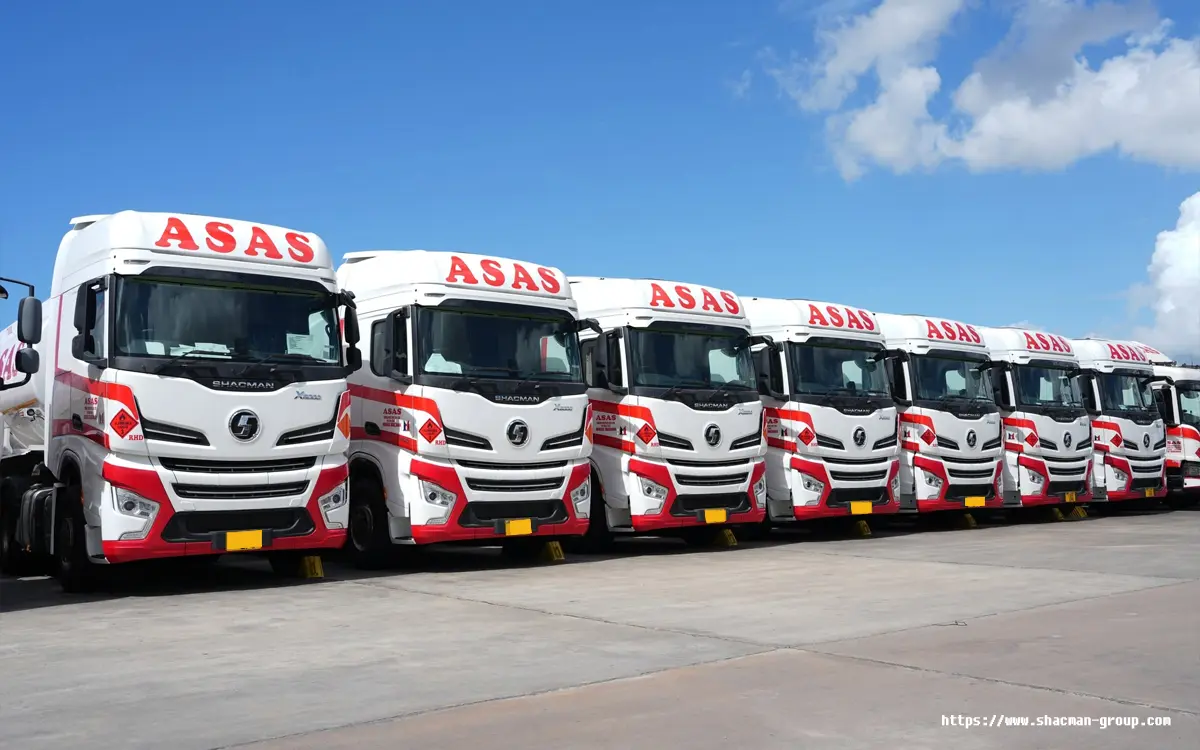
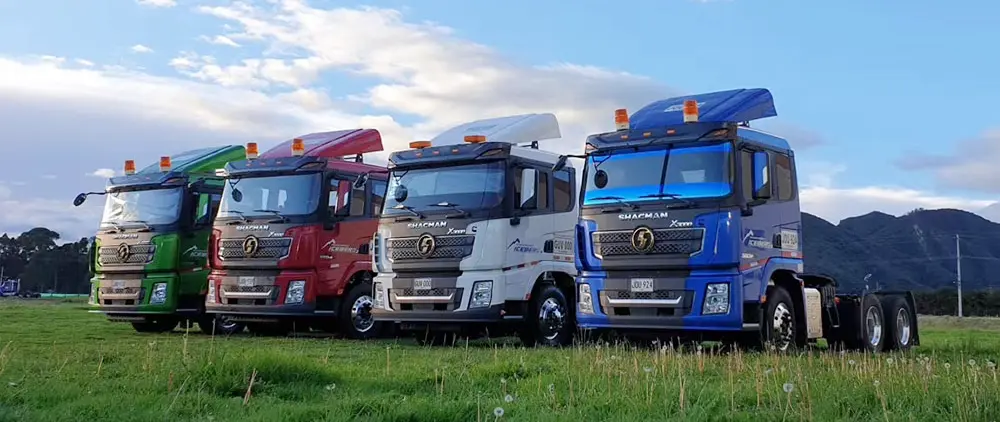
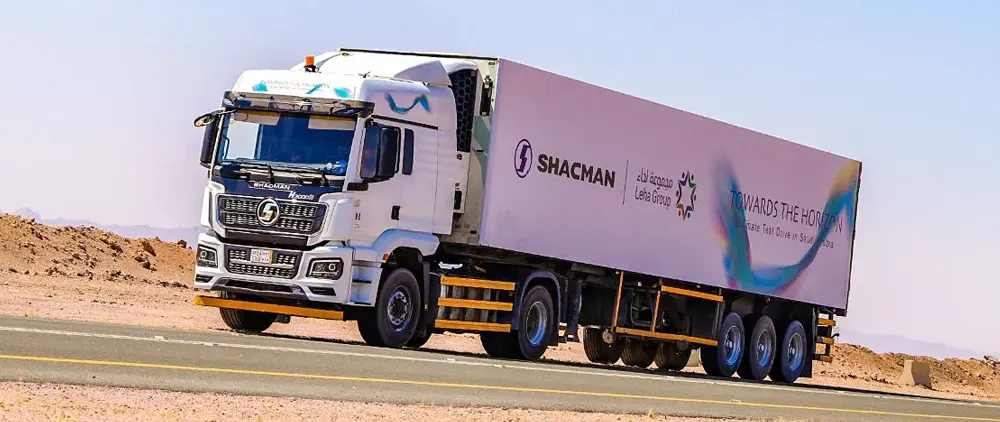
SHACMAN has become one of the most visible brands on African roads. This is not simply a price story. It is the result of engineering decisions made specifically for African operating conditions, a growing localized service network, and a total cost of ownership that holds up in real fleet operations.
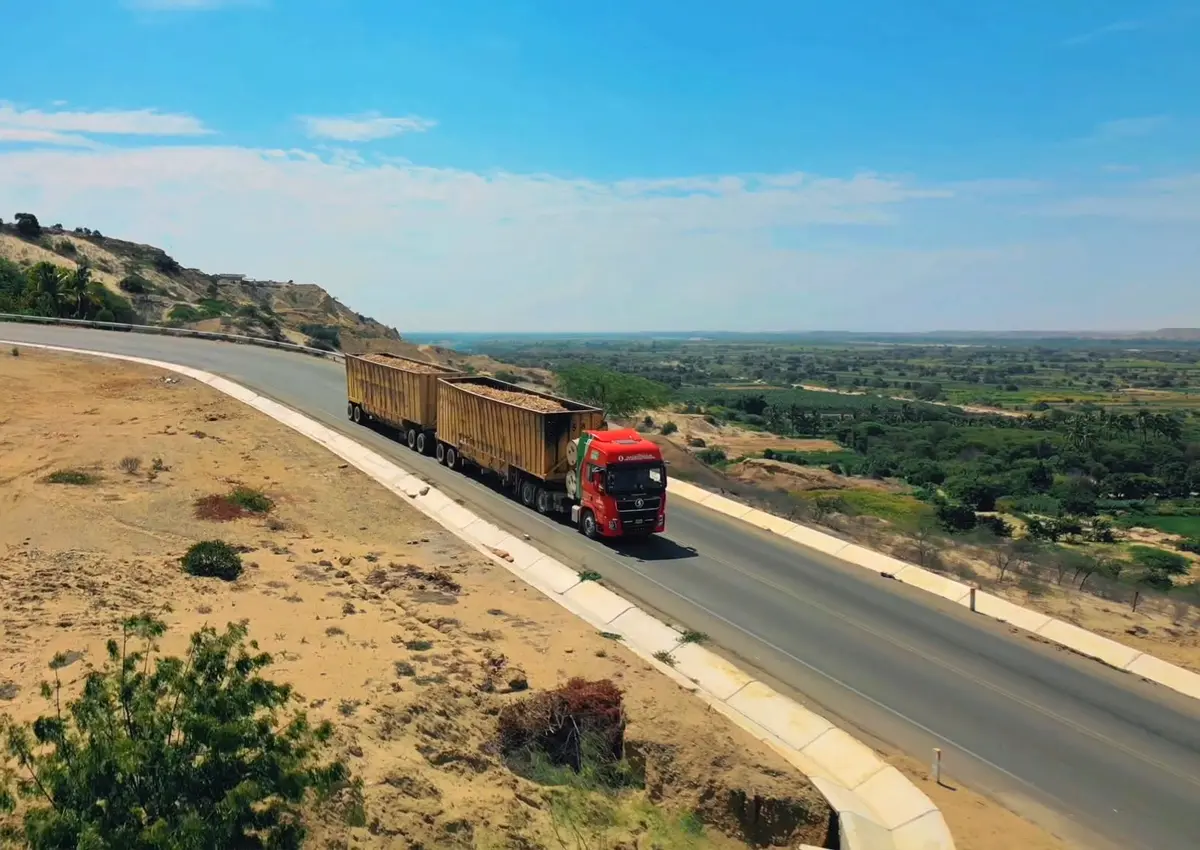
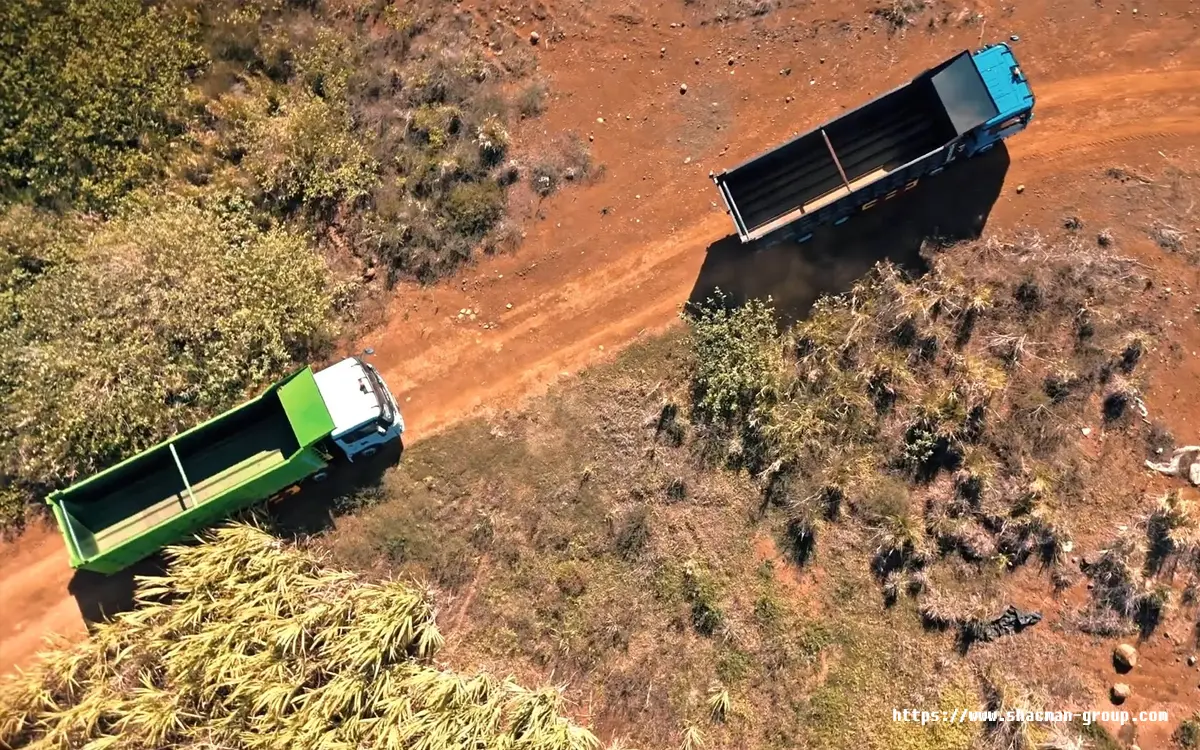
Around 80% of freight in Africa moves by road. Mining haul roads are rough and dust-heavy. Cross-border corridors are long, and road quality changes dramatically from one border post to the next. High ambient temperatures put constant stress on cooling and lubrication systems.
SHACMAN trucks exported to Africa are configured around these realities: reinforced chassis and suspension for poor road surfaces, high-capacity dust filtration for mining environments, cooling packages validated for high-temperature operation, and driveline combinations tuned for fuel quality that varies by country.

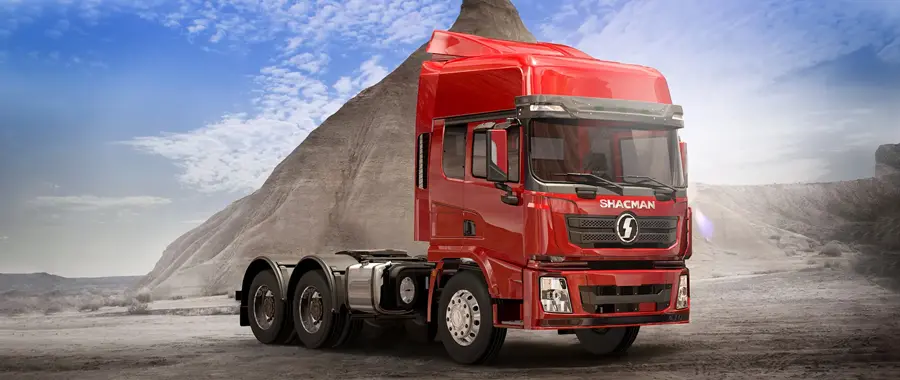
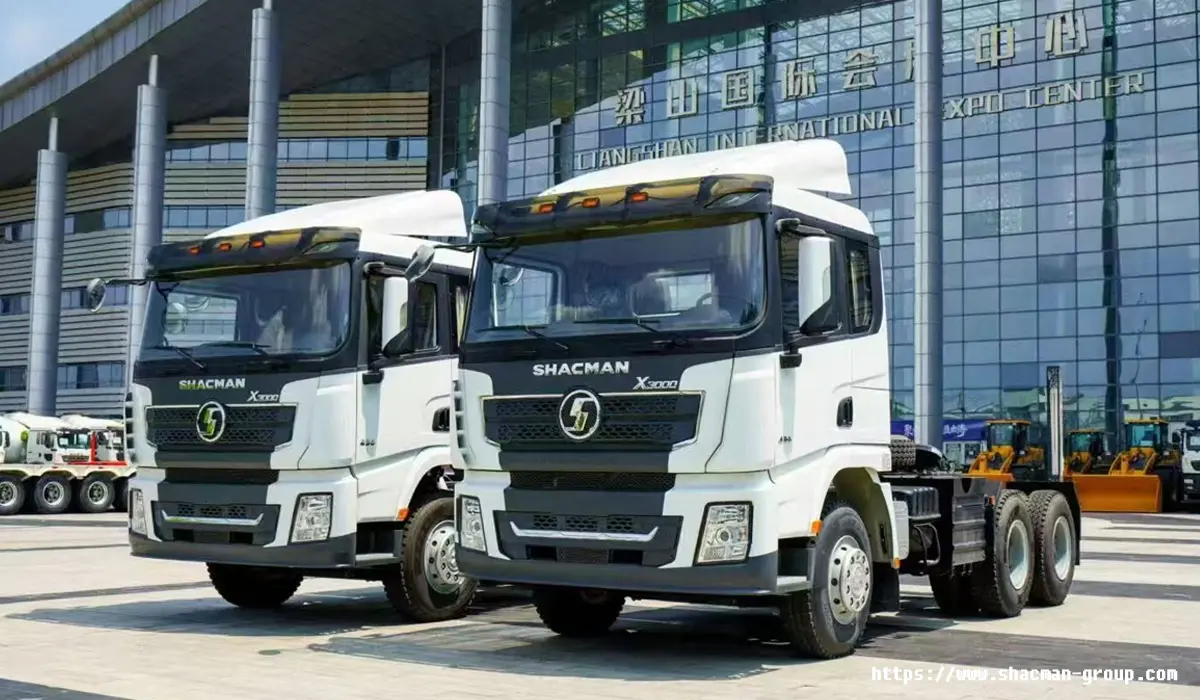
Shacman F3000 375hp 6×4 Tractor Head

Shacman F3000 375hp 6×4 Tractor Head
 Shacman F3000 375hp 6×4 Tractor Head
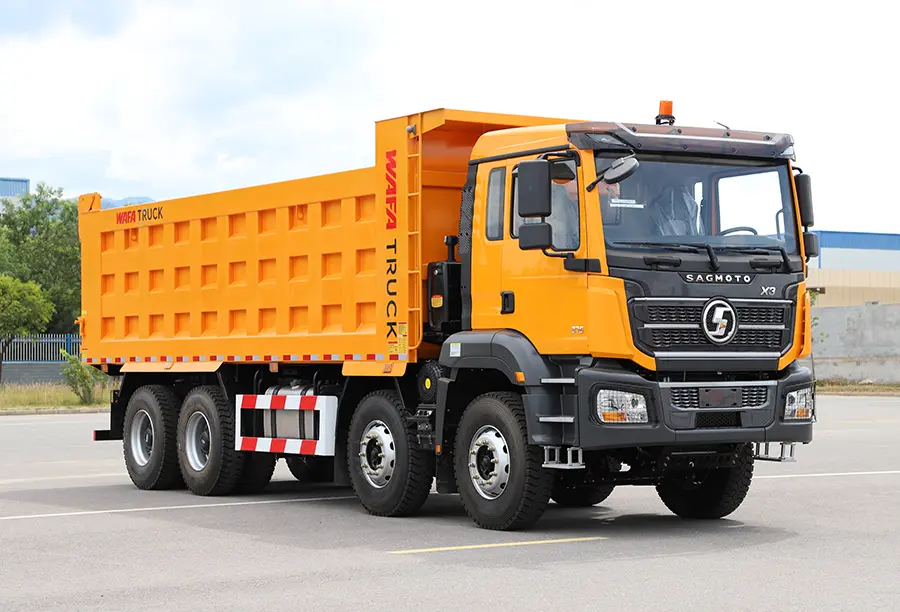
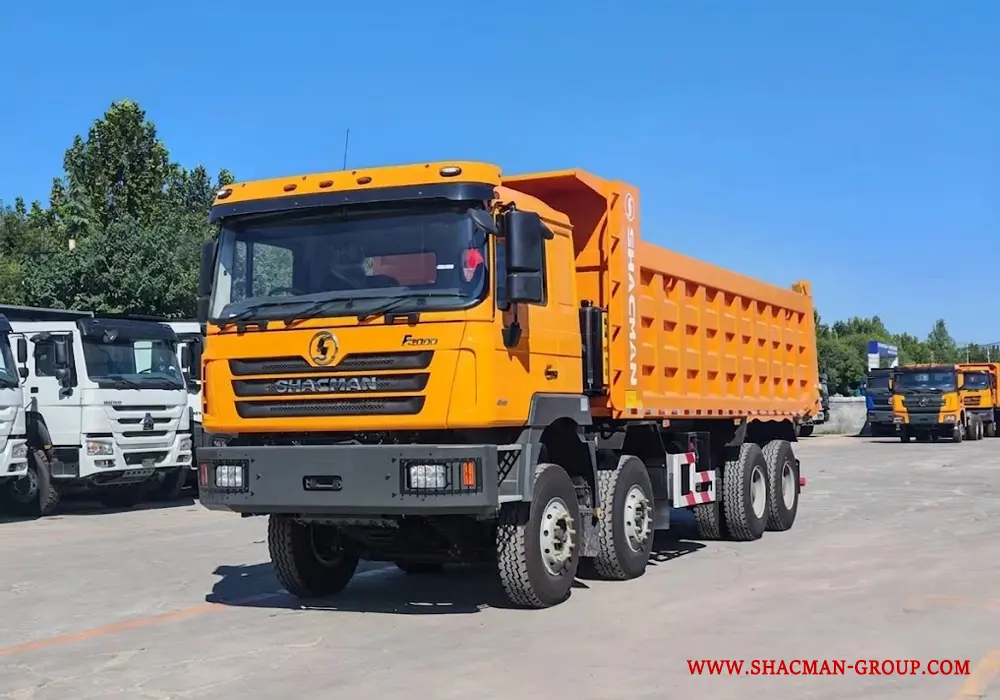
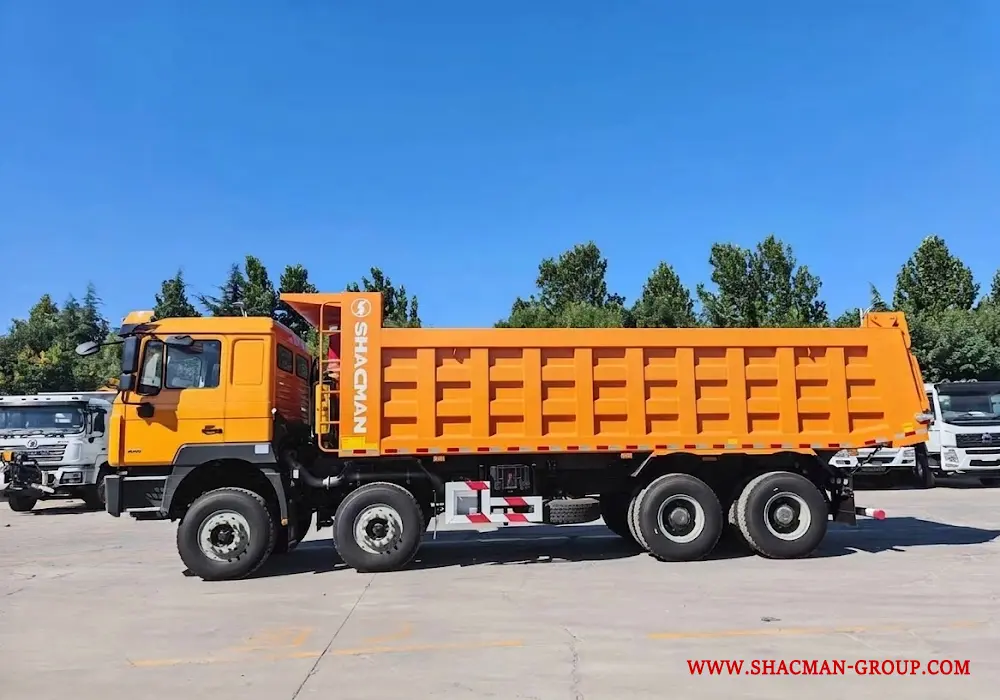
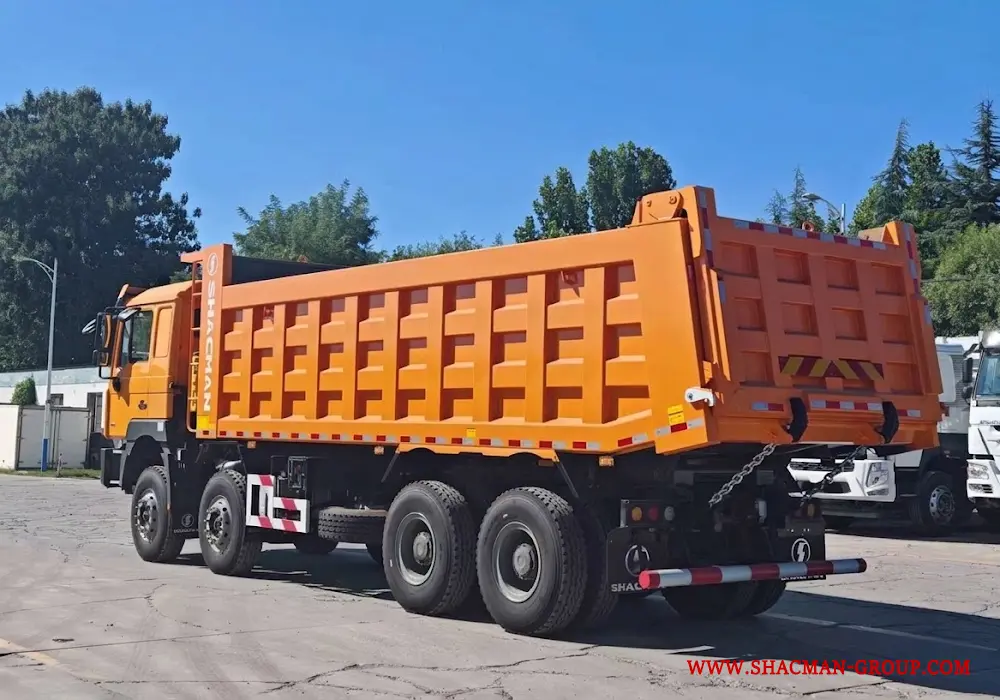
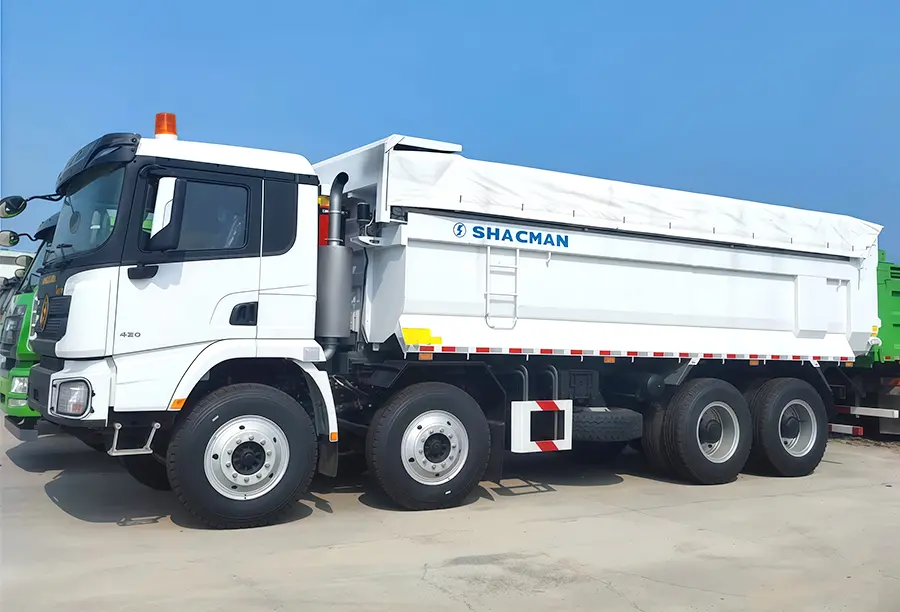
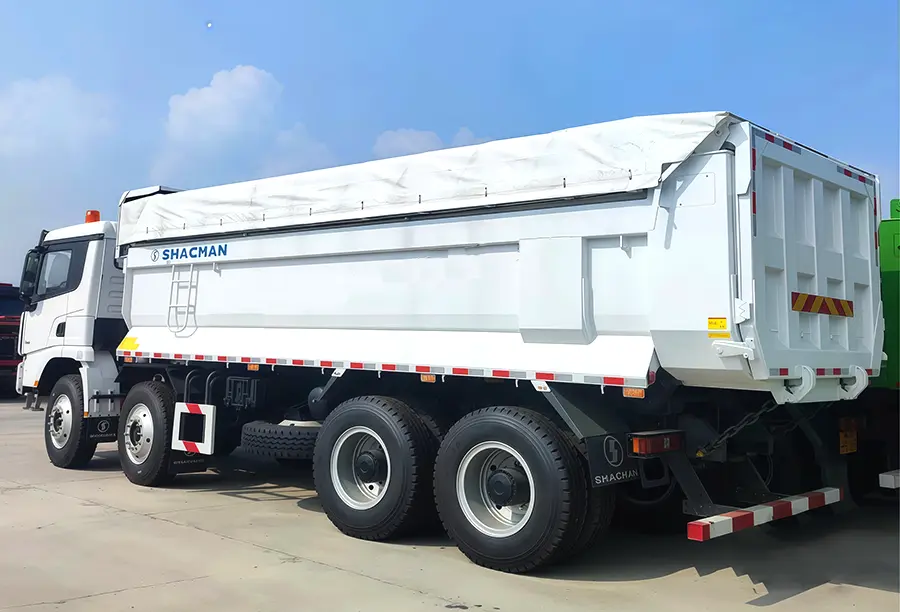
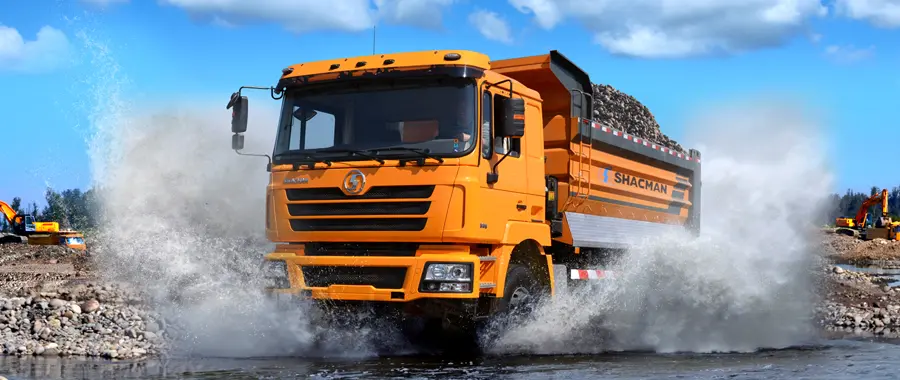
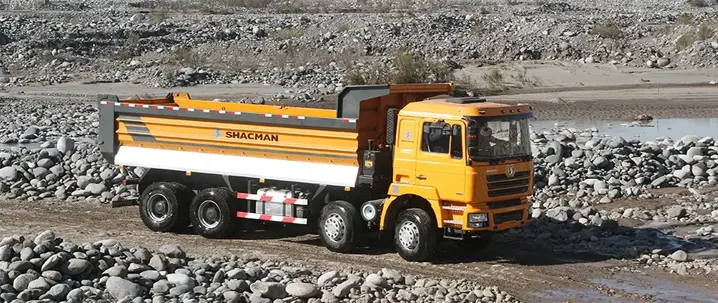
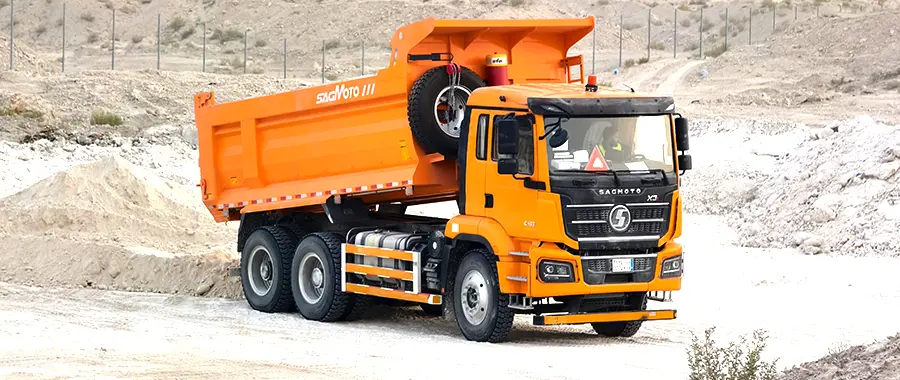
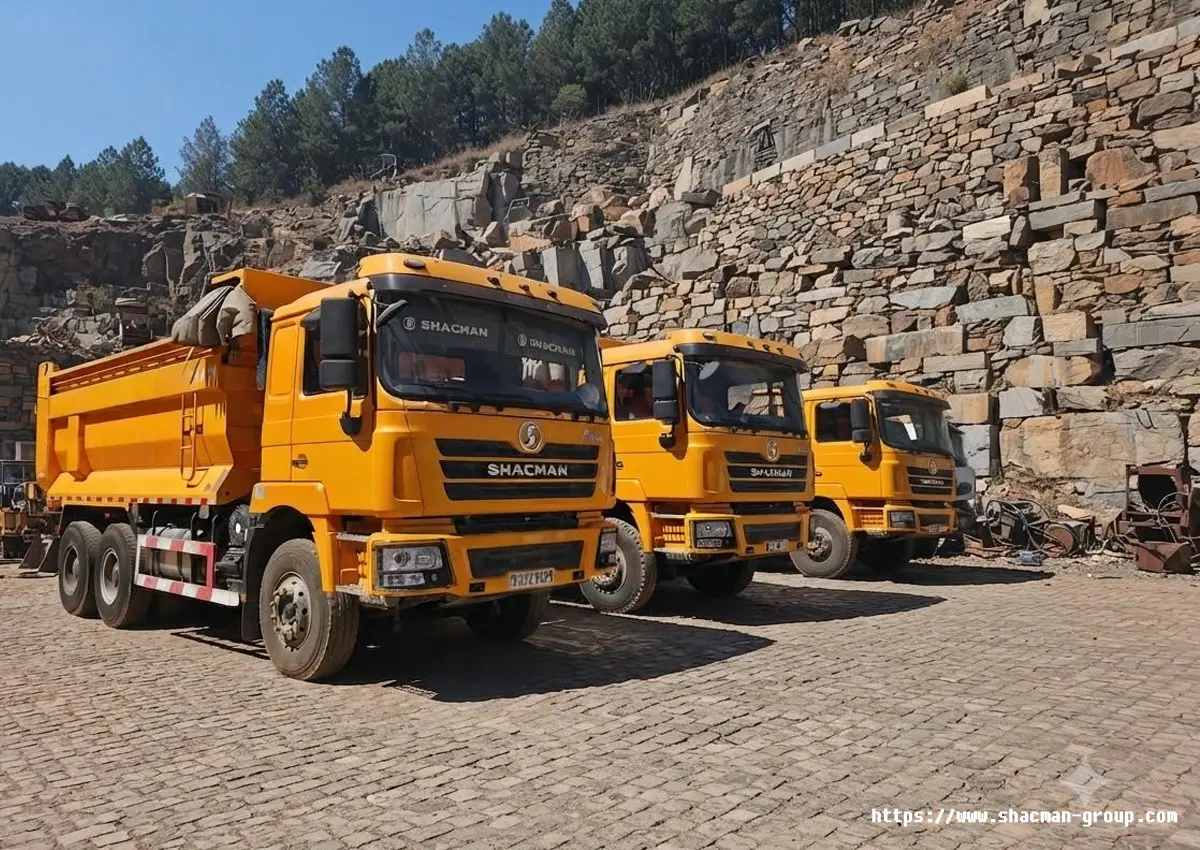
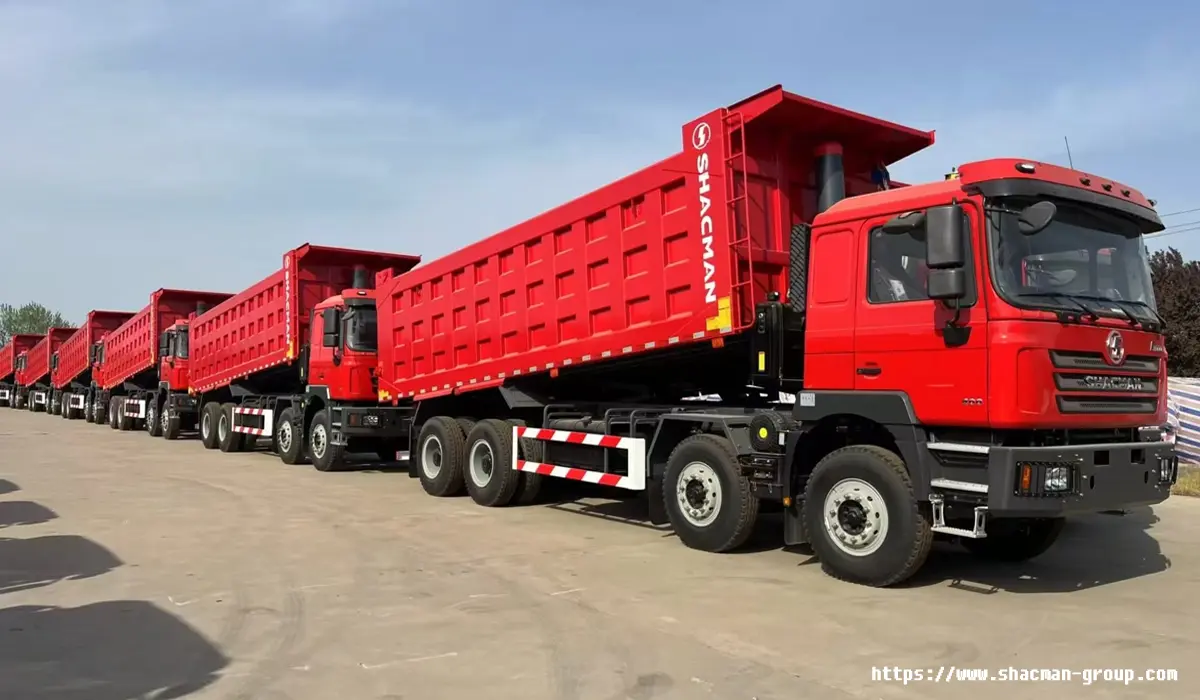
The F3000 is SHACMAN’s most established product line in Africa by fleet population. The 6×4 and 8×4 dump truck versions are built for mining and large-scale infrastructure. They use high-torque Weichai engines, reinforced chassis frames, and heavy-duty filtration to handle dust-intensive sites such as platinum and coal operations.
Right-hand drive versions are available for left-hand traffic countries including Uganda, Tanzania, South Africa, and Kenya. In South Africa, fleets at platinum mining operations have deployed F3000 tippers to reduce maintenance cost and unplanned downtime.
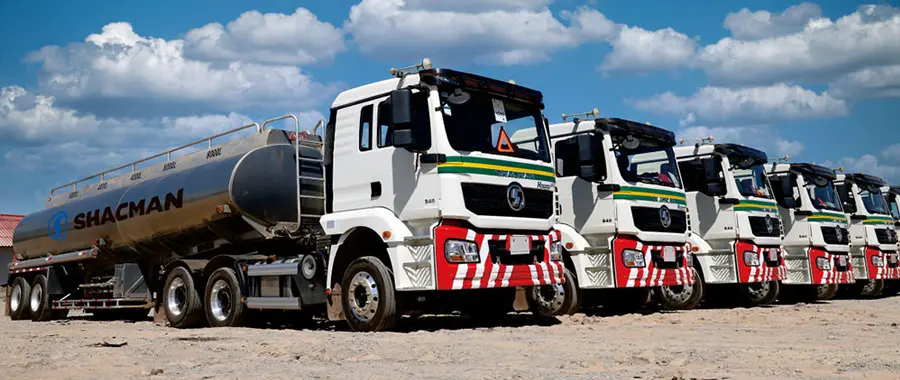
Available configurations include 6×4 dump truck, 8×4 dump truck, 6×4 tractor head, and water tanker variants.
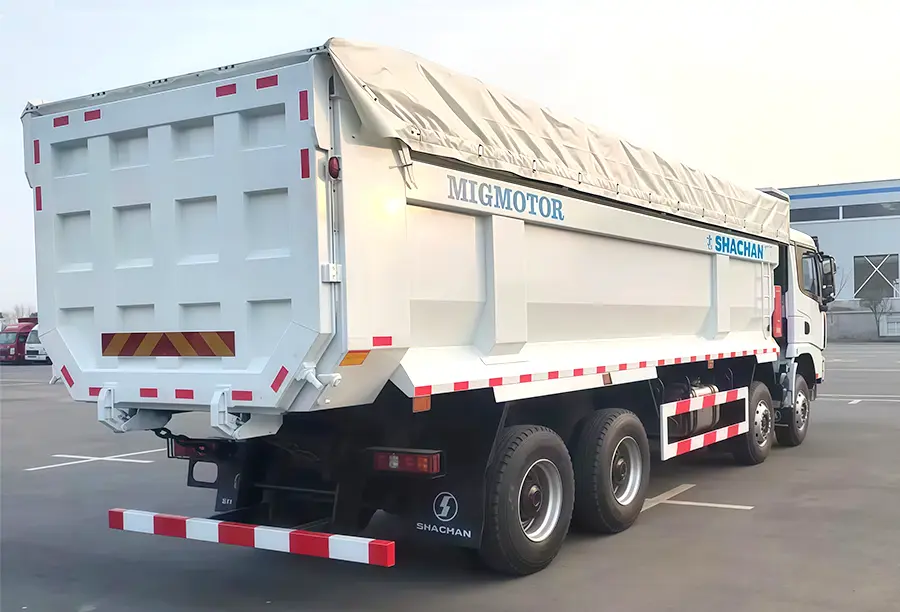
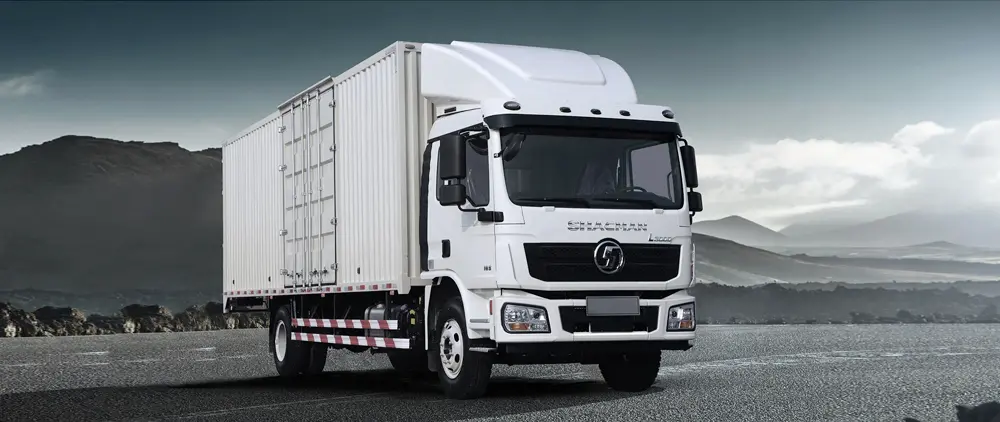
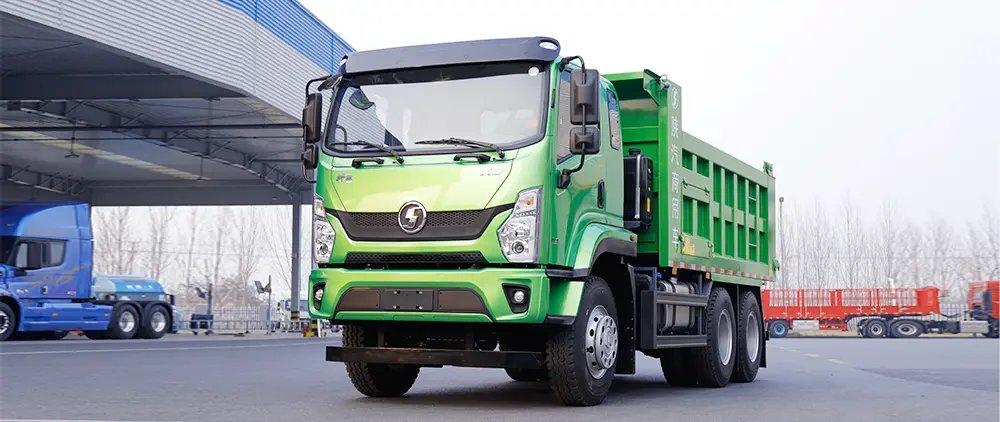
The X3000 sits between cost and capability. It covers applications from urban construction waste haulage to medium and long-distance freight. A 12-speed manual transmission delivers stable power output on uneven suburban roads, and maintenance costs remain manageable. This series is widely purchased by small and medium-sized construction companies.
Ethiopia’s KD assembly plant focuses on X3000 dump trucks, with local content reaching 40% and delivery lead times shortened by roughly 35% compared with fully built unit imports.
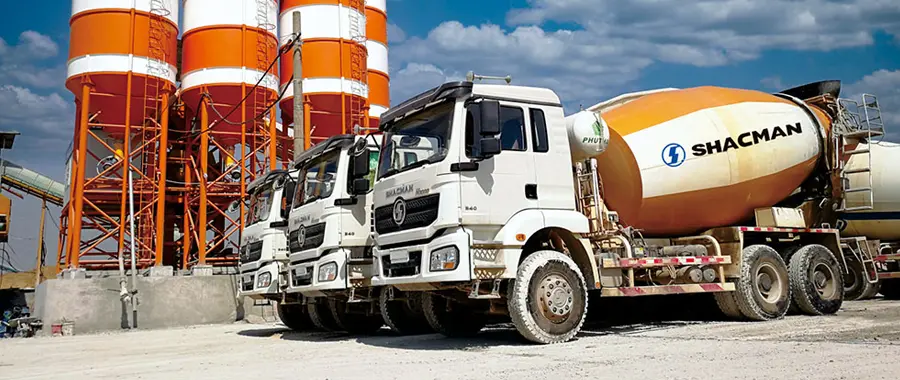
Available configurations include 6×4 dump truck, 8×4 dump truck, 6×4 tractor head, 6×4 LNG tractor truck, and 6×4 mixer truck.
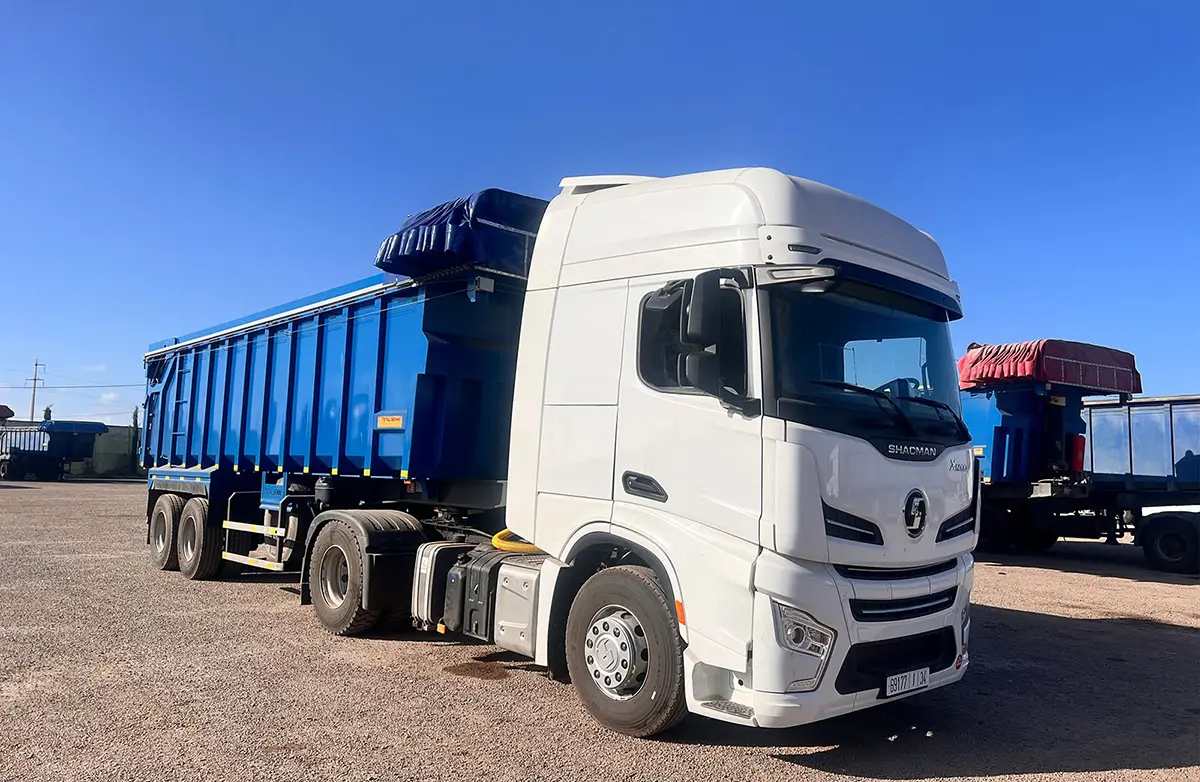
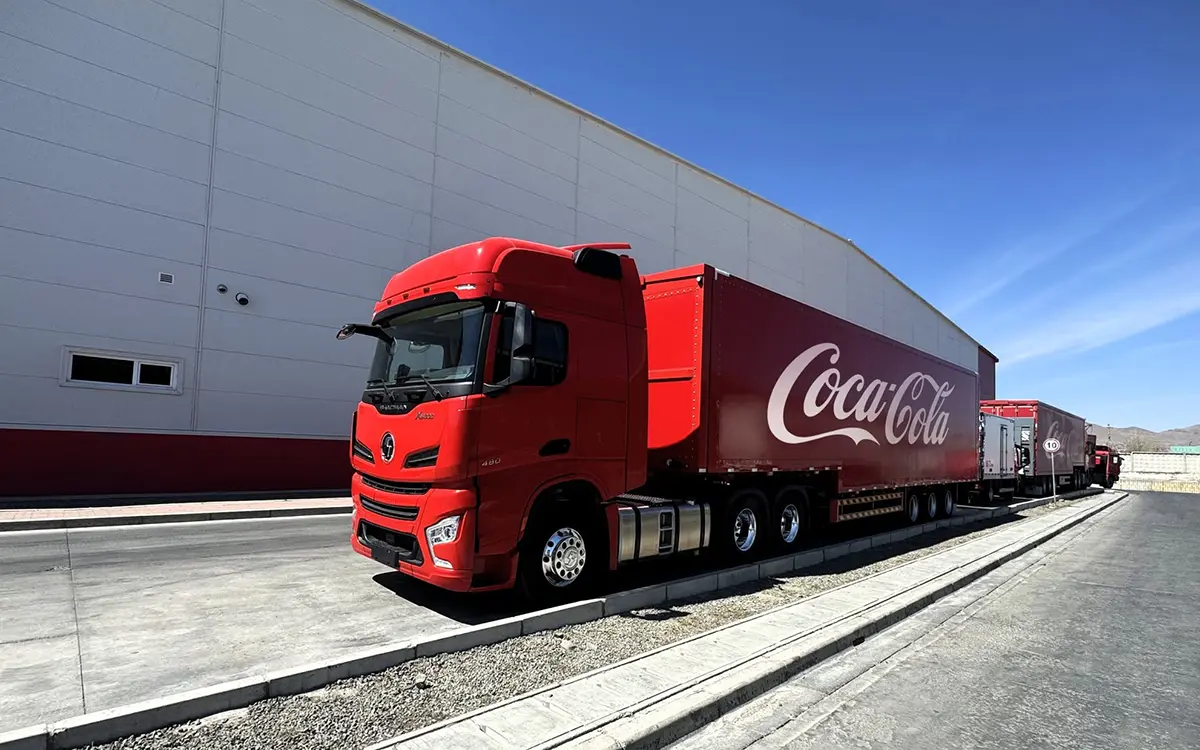
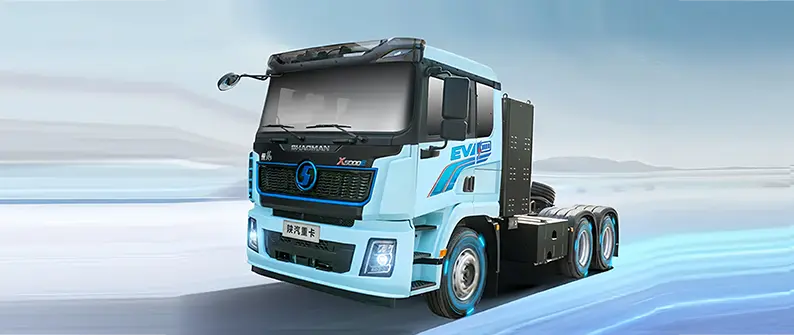
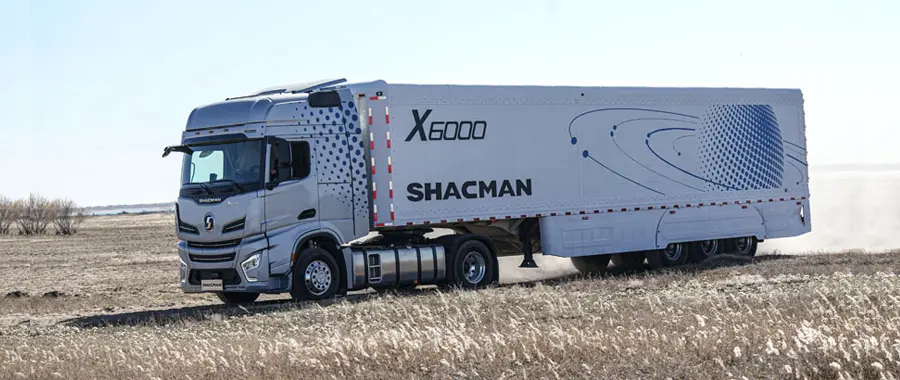
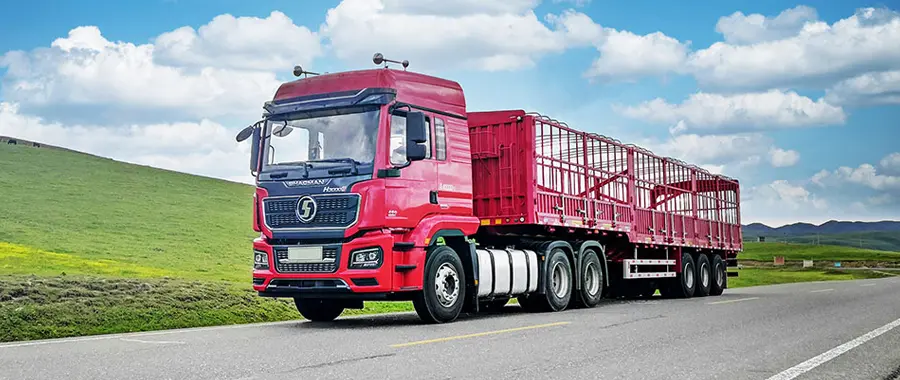
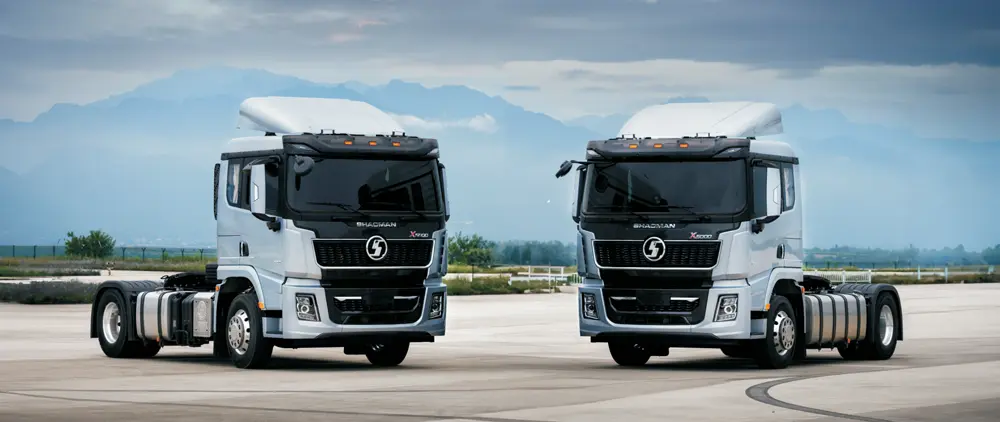
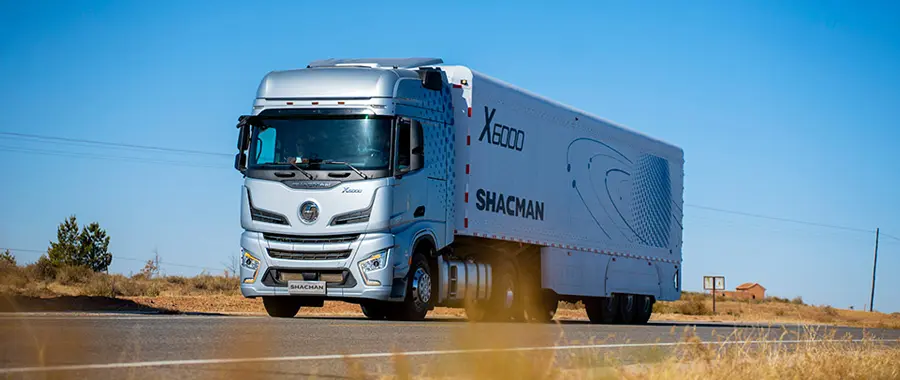
The X6000 is SHACMAN’s high-end logistics flagship. Since late 2024, more than 100 units have been delivered in Southeast Africa, entering a segment previously dominated by European brands.
The engineering targets the specific pain points of African cross-border haulage:
Cargo protection: Rear air suspension replaces traditional leaf springs, cutting vibration on poor road surfaces and protecting high-value agricultural produce and fragile cargo.
Range and fuel cost: Dual fuel tanks total over 1,000 litres (730L + 300L), allowing drivers to refuel in lower-price regions and avoid high-cost areas. Real-world tested fuel consumption is approximately 40L/100km, roughly 4% lower fuel cost than comparable European trucks.
Safety: A hydraulic retarder combined with I-Brake engine braking maintains stable braking performance on long steep descents such as Van Reenen’s Pass, with safe control of 56-tonne gross combination weight.
Driver comfort: Flat-floor cab, parking air conditioner, 38L refrigerator, ventilated and heated air-suspension seat, and a wide sleeper bunk significantly improve long-haul working conditions.
SHACMAN supplies both left-hand drive and right-hand drive configurations for African markets, covering different national traffic regulations. Emission standards can be specified to match local fuel quality and legal requirements, from Euro II through Euro V. For left-hand traffic countries such as South Africa, Uganda, Tanzania, and Kenya, right-hand drive is a standard option.
For African fleet operators, after-sales response speed directly affects uptime and profitability. SHACMAN has established more than 60 service stations and 6 central parts warehouses across Southeast Africa.
For the X6000, SHACMAN applies a “parts first” strategy, holding excess stock of high-value components to minimize downtime. In South Africa, a regional central warehouse in Johannesburg and a CKD assembly plant reduce import duties and delivery lead times, and enable delivery of core parts to remote mining sites within 48 hours. In Uganda, authorized distributor Leceny Equipment Ltd operates a facility in Kampala providing sales, warranty, and parts support.
For fleet operators evaluating SHACMAN heavy trucks for African operations, these dimensions should guide the decision:
Application matching: Mining and heavy haulage favour the F3000. Multi-purpose medium and short-distance transport suits the X3000. For cross-border long-haul trunk routes, the X6000 offers the strongest overall economics.
Total cost of ownership: Purchase price alone is not the right metric. SHACMAN’s advantage shows up in lower maintenance cost, accessible parts supply, and optimized fuel economy. In the South African market, for example, both purchase price and parts cost are significantly below European brands, and local assembly further reduces tax burden.
Service network coverage: Confirm whether an authorized service station and parts inventory exist in your operating region. Service radius should be verified before purchase.
Regulation and configuration: Confirm right-hand or left-hand drive requirements, emission standard requirements, and local certification norms such as EAC certification. SHACMAN supports customized configuration for different markets.
Email: export@shacman-group.com
WhatsApp: +86-1886219929
Website: https://www.shacman-group.com
We usually respond within 12 hours with a full specification sheet and CIF quotation.

Copyright @2023 Shacman. All Rights Reserved. Privacy Policy.