
Stay up-to-date with the
Product Reports

Shacman Dump Truck | SHACMAN GROUP
Meta Description: Discover why East African logistics fleets are switching to the Shacman X6000 for cross-border operations. From 1,000L fuel capacity to regional service networks, learn how this flagship tractor addresses the unique challenges of the Northern Corridor and beyond.
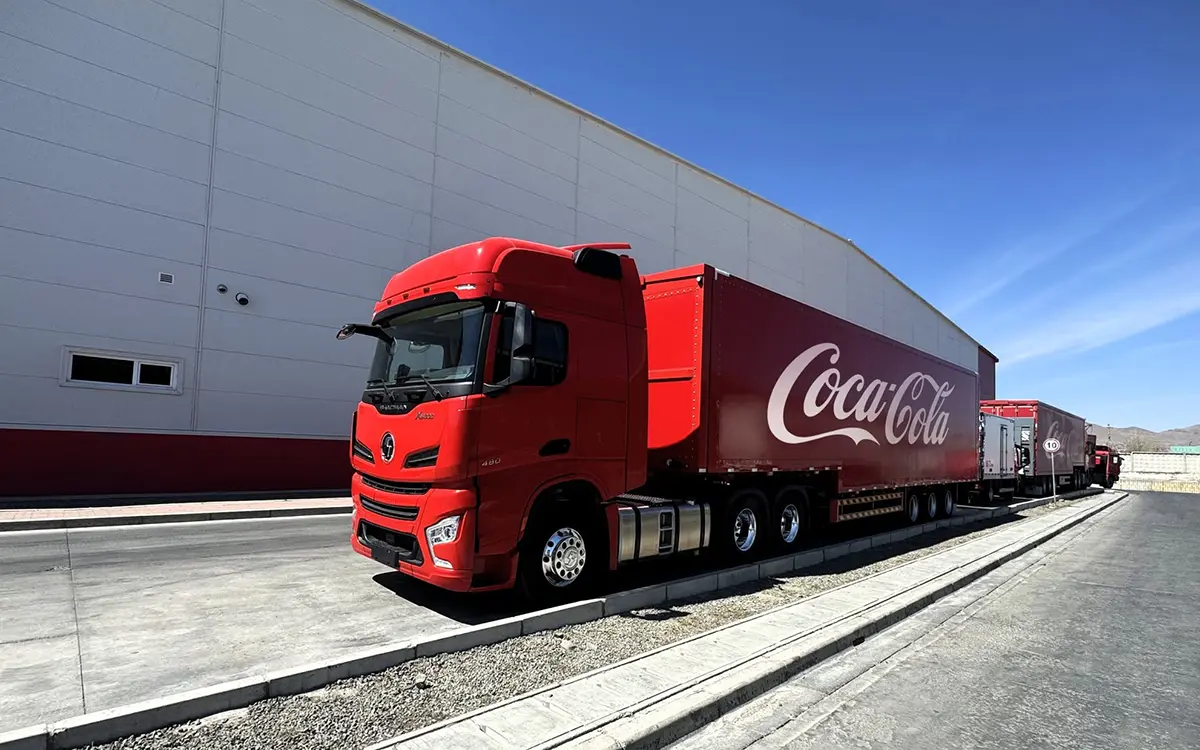
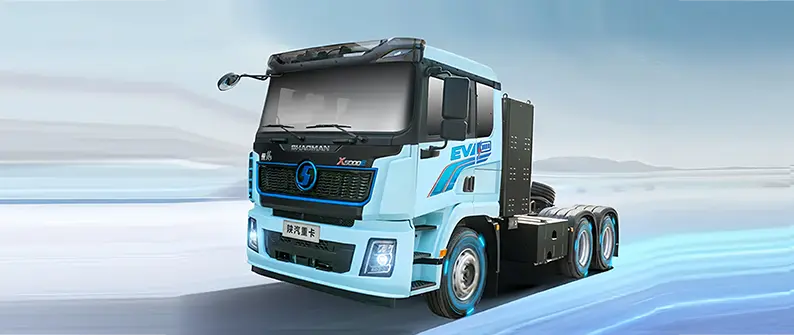
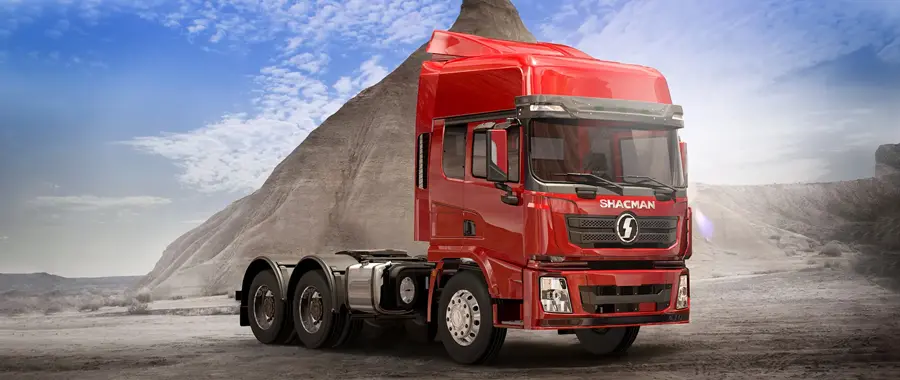
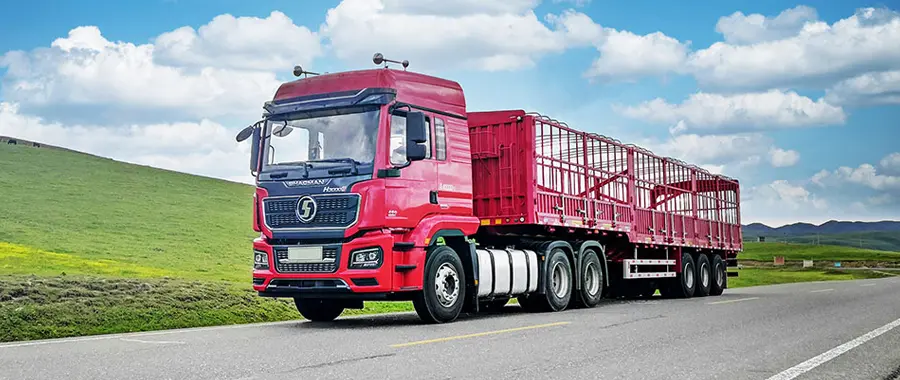
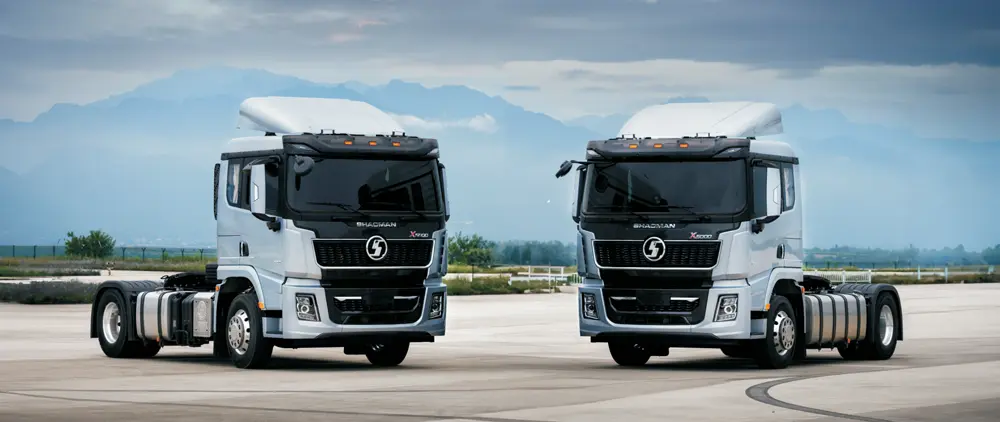
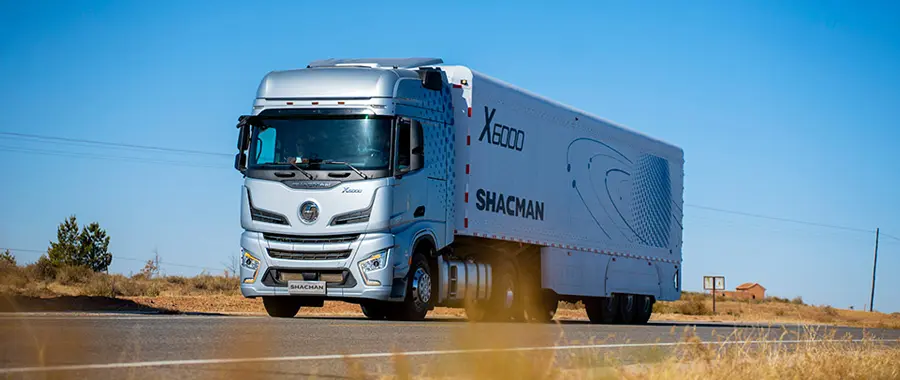
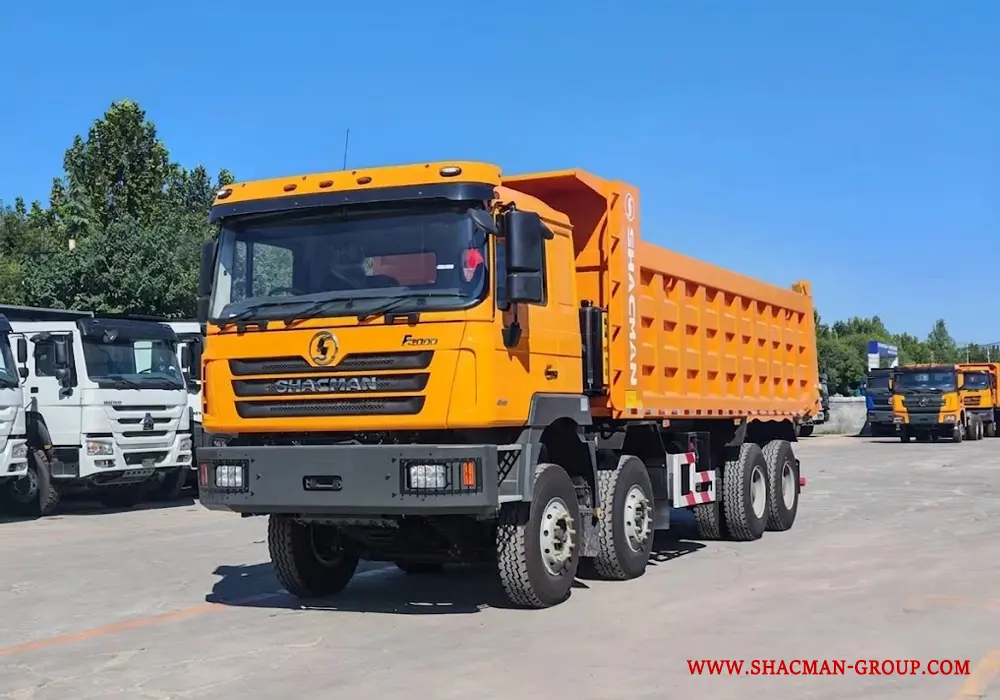
SHACMAN X6000 Cargo Truck
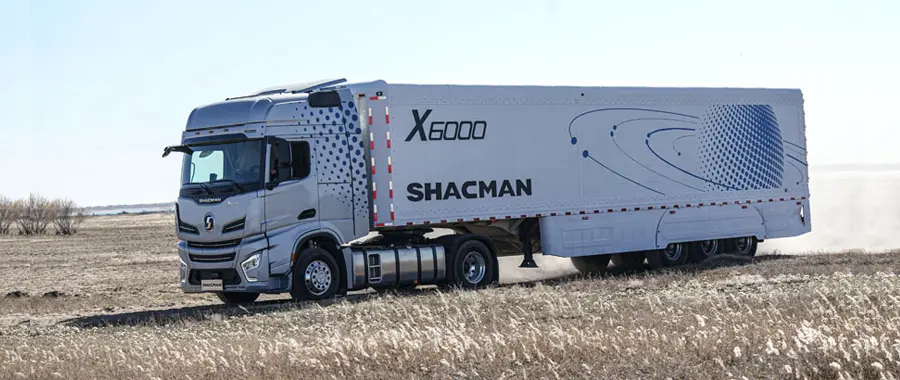
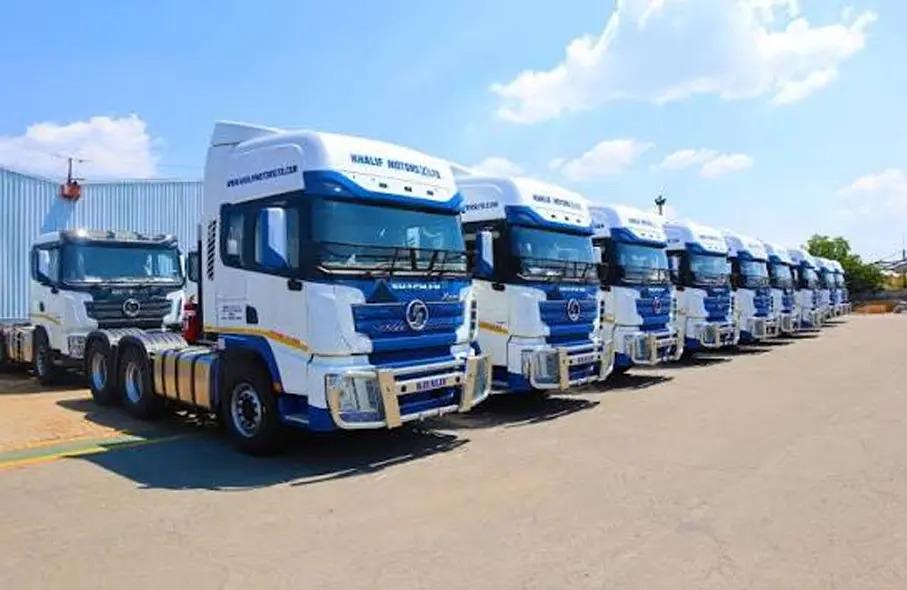
Cross-border logistics in East Africa has long been defined by a simple assumption: European trucks were the only viable choice for high-value, long-distance transport. That assumption is now being tested. Since late 2024, more than 1000 units of the Shacman X6000 have been delivered to fleet operators across Southeastern Africa, marking a significant shift in a market historically dominated by European brands. This isn‘t a story about lower prices. It’s a story about application-specific engineering, operational economics, and the hard realities of moving cargo across some of the world‘s most demanding corridors.
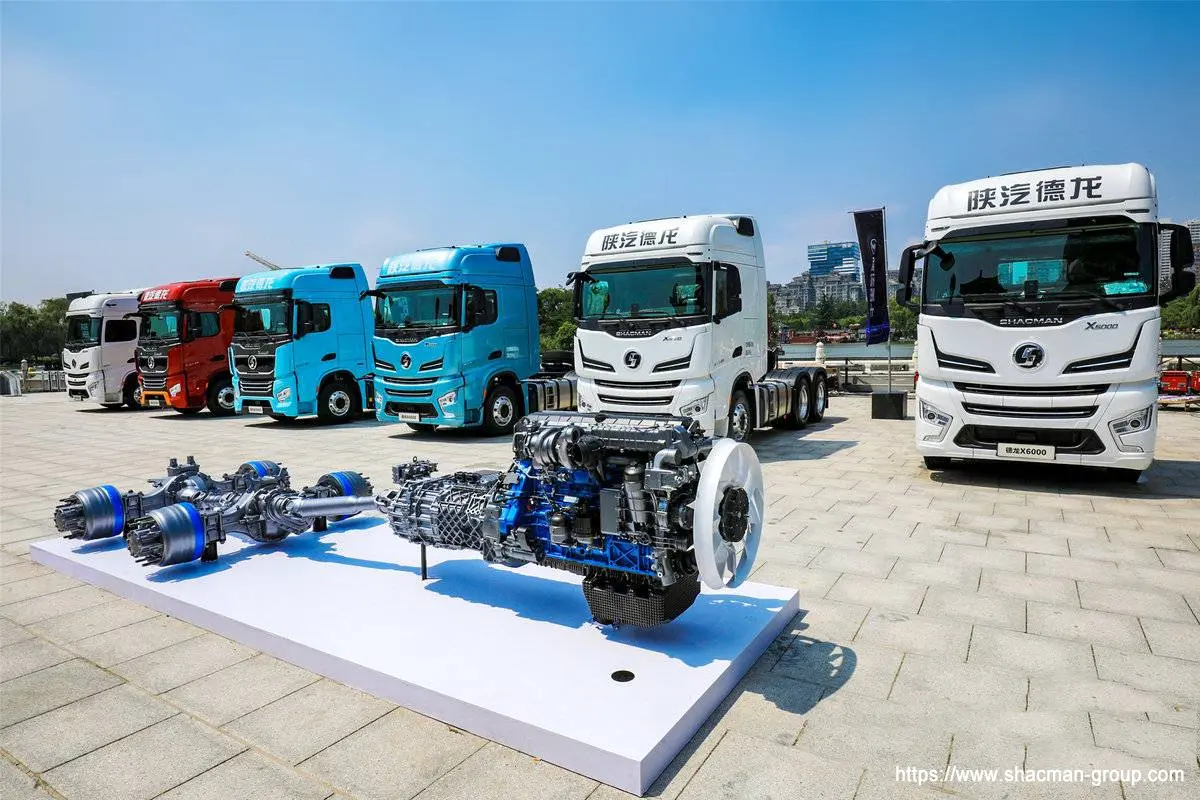
Fleet managers along the Northern Corridor—stretching from Mombasa through Kenya, Uganda, Rwanda, and into eastern DRC—contend with conditions that expose the weaknesses of any truck design. Distances are vast, with one-way journeys frequently exceeding 2,000 km. Terrain is punishing, from the rolling highlands to steep passes like Van Reenen’s, where descent management can mean the difference between a safe delivery and a catastrophic loss. Road surfaces in several countries suffer from inconsistent maintenance, and the combination of distance, terrain, and poor infrastructure creates a persistent threat: cargo damage.

For operators hauling high-value agricultural products, fast-moving consumer goods, and other sensitive cargo, damage rates directly erode margins. The economic equation is unforgiving. Fuel costs, driver retention, maintenance downtime, and cargo loss all compound across a single trip.
The Shacman X6000‘s reception in East Africa stems from specific engineering decisions that address these operational realities rather than abstract performance metrics.
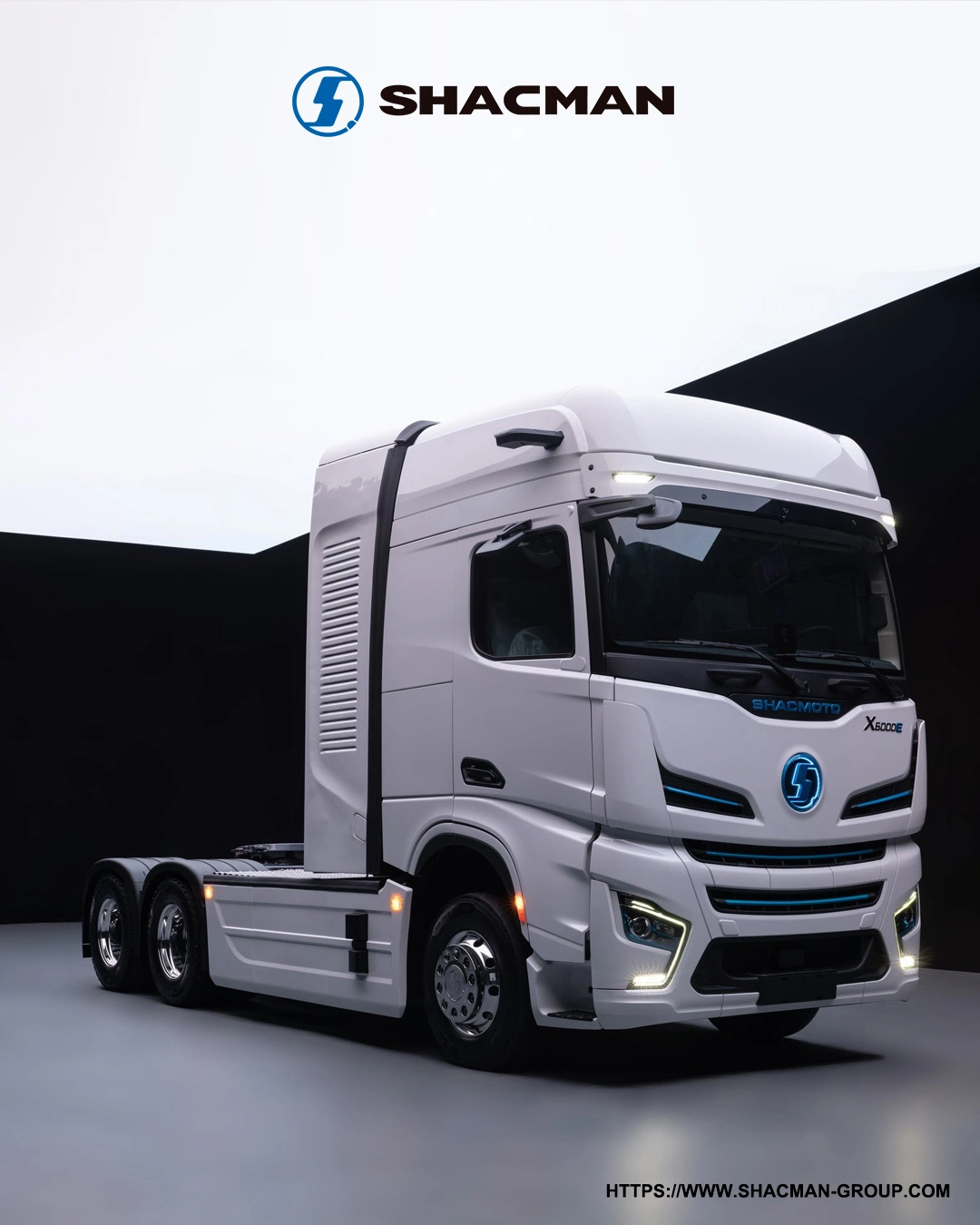
The X6000 utilizes a rear air-suspension system instead of traditional leaf springs. In real-world operation across degraded road surfaces, this configuration delivers superior vibration damping. The result is measurable: significantly reduced cargo damage, meeting the “smooth transit” requirements that premium logistics operators demand. For a fleet hauling produce or fragile manufactured goods, this directly translates to lower claims and higher customer retention.
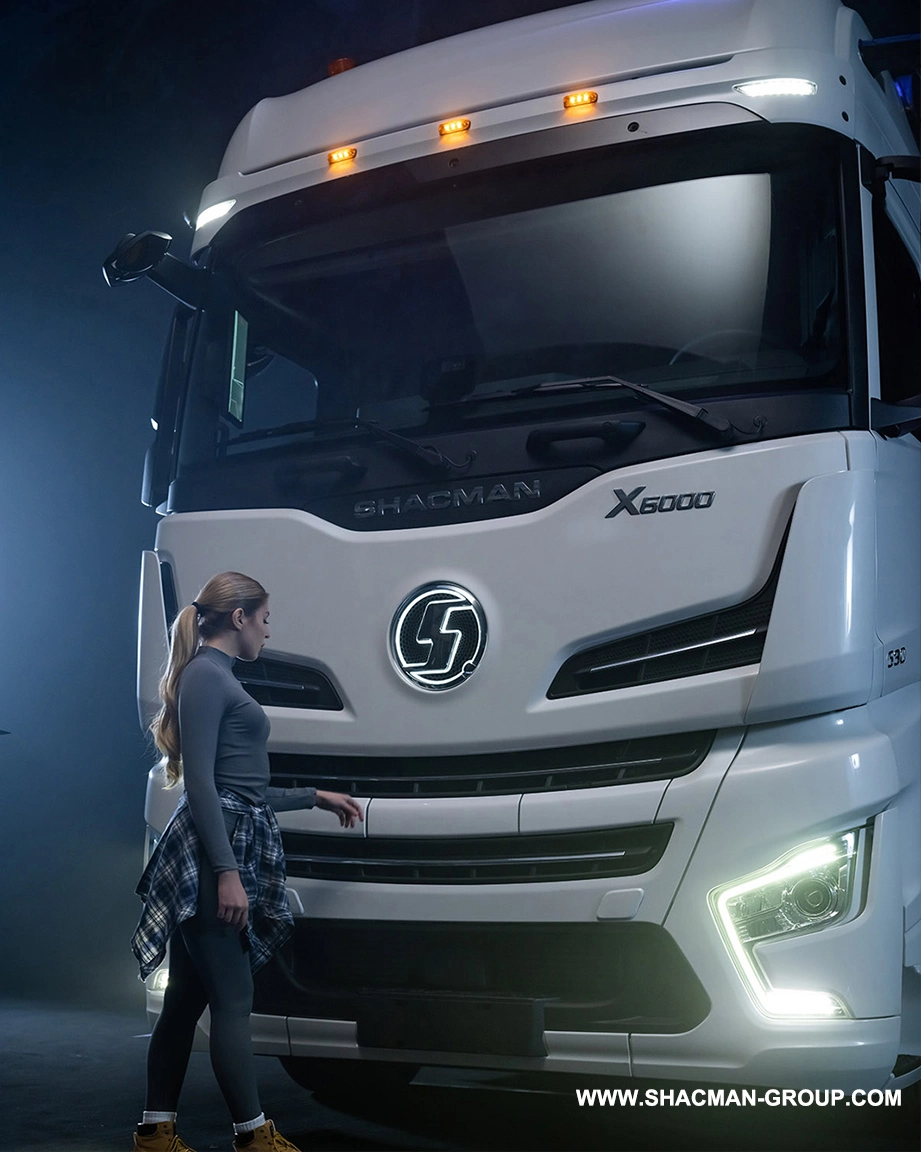
With fuel prices varying dramatically between countries, and some routes traversing regions where quality fuel is scarce or expensive, the X6000’s dual-tank system provides more than 1,000 liters of capacity (730L + 300L). This allows drivers to complete refueling in lower-cost regions and avoid high-price zones, a practical advantage that compounds across multiple border crossings.

The powertrain—a Cummins M13 560HP engine paired with a 16-speed AMT and a 2.846 small-ratio single-reduction axle—delivers average real-world fuel consumption of approximately 2.5 km/L (40 L/100 km), a figure that reduces fuel costs by roughly 4% compared to European competitors in the same class.
Safety on Extreme Descents
Managing a 56-tonne gross combination mass down steep, extended descents requires more than standard braking. The X6000 is equipped with a hydraulic retarder paired with I-Brake engine braking. Even under conditions of extreme temperature variation and significant altitude drops, the system maintains stable braking performance. For routes like Van Reenen‘s Pass, this isn’t a luxury—it‘s a baseline safety requirement.
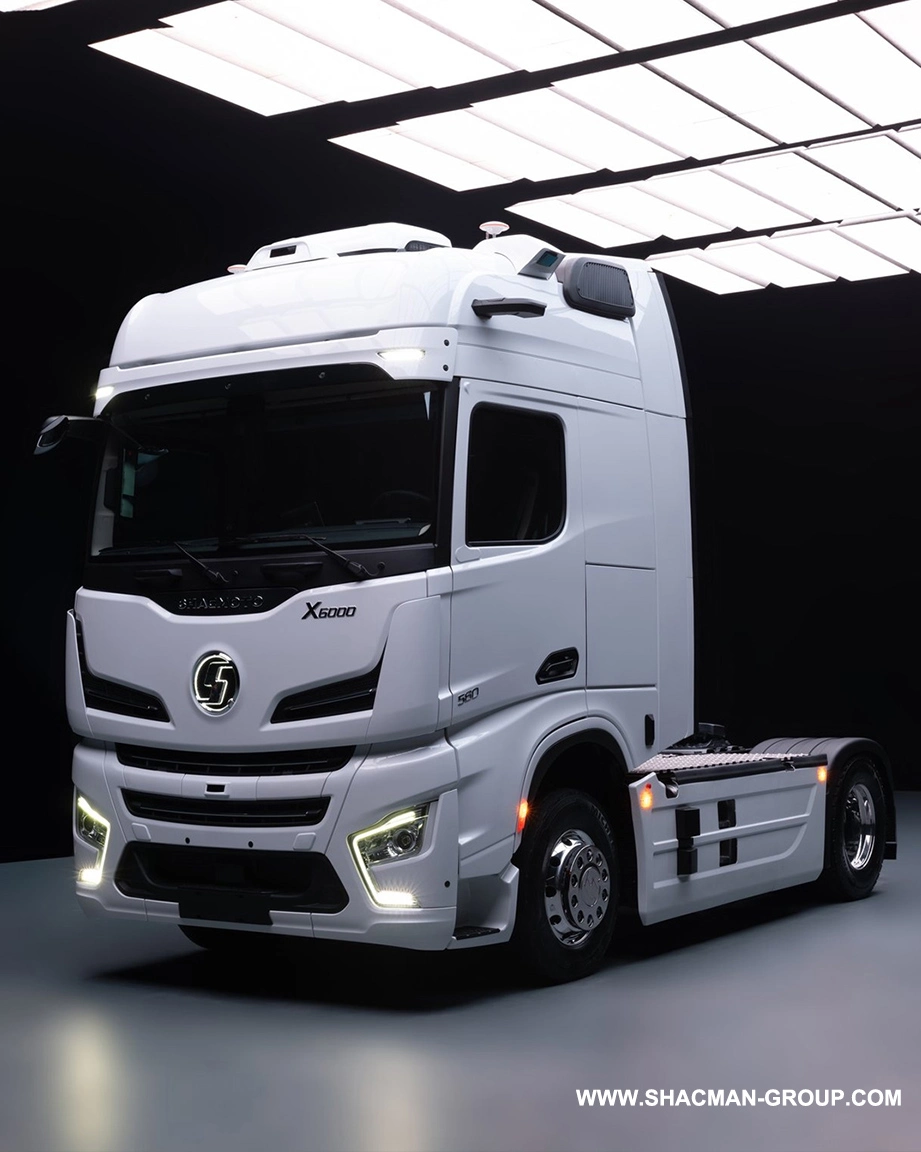
In East African long-haul operations, driver retention is a persistent challenge. Routes extend from southern ports toward the northern interior, with temperatures exceeding 40°C in some sections. Border crossings introduce unpredictable waiting periods. Under these conditions, the cab becomes a workplace, a rest area, and sometimes a temporary home.
The X6000’s driver-focused features address this directly. A roof-mounted parking cooler provides effective cabin cooling during engine-off periods at border crossings. A 38L refrigerator, ventilated and heated air-suspension seats, and an extra-wide sleeper berth improve well-being on multi-day journeys. The flat-floor cab design with generous storage creates what Shacman describes as a “home away from home” environment—a feature that fleet operators report helps attract and retain skilled drivers.
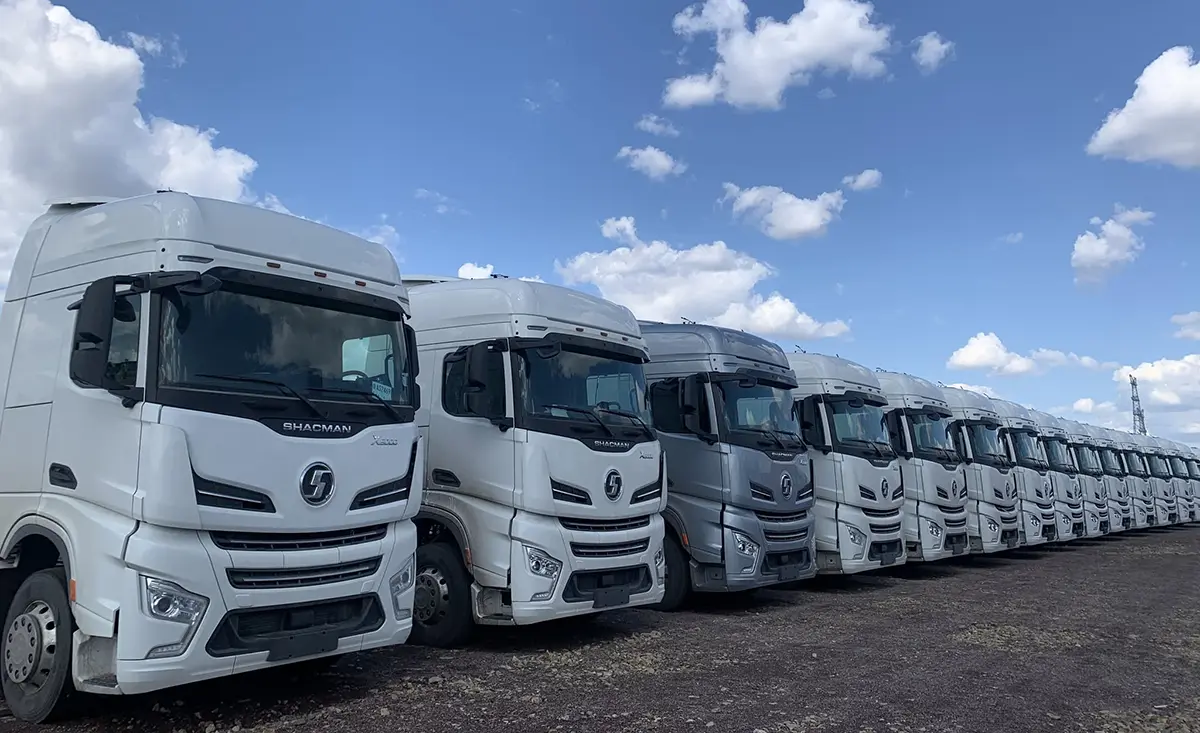
caminhão mais potente do mundo: o Shaanxi X6000
Product capability alone does not determine fleet adoption. In markets where downtime means missed deliveries and lost contracts, after-sales infrastructure is the decisive factor. Shacman has built a service ecosystem in Southeastern Africa comprising over 60 service stations and 6 central parts hubs. For the X6000 specifically, a “Parts First” strategy maintains overstocked high-value components to minimize downtime.

This network extends across borders. Warranty service is available in ten countries, including Zambia, the Democratic Republic of Congo, Zimbabwe, Mozambique, and South Africa, with 80 professional service stations and 20 parts access points established along major corridors. For fleet operators running cross-border routes, this coverage reduces the risk that a mechanical issue in a remote location becomes a multi-week revenue loss.
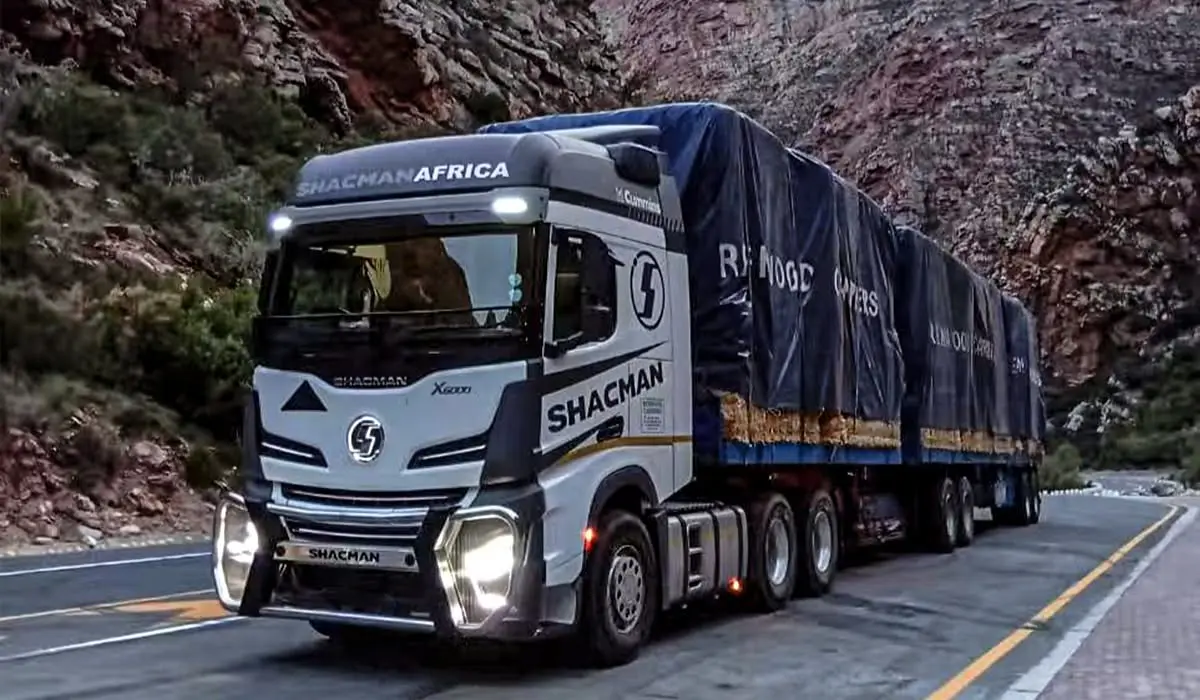
shacman côte d ivoire X6000
The shift toward the X6000 in East African premium logistics reflects a broader recalibration. The belief that only European trucks could serve high-value cross-border transport has been tested against the actual economics of the region’s operating environment. The X6000’s adoption is not driven by pricing alone—it‘s driven by a configuration that addresses the specific pain points of the corridor: cargo damage, fuel cost variability, driver fatigue, and downtime risk.
For fleet managers evaluating their next tractor purchase, the relevant question is no longer whether a Chinese heavy-duty truck can compete in premium logistics. The more useful question is whether any truck—regardless of origin—is engineered for the actual conditions its drivers will face. On that measure, the X6000 has made a compelling case.
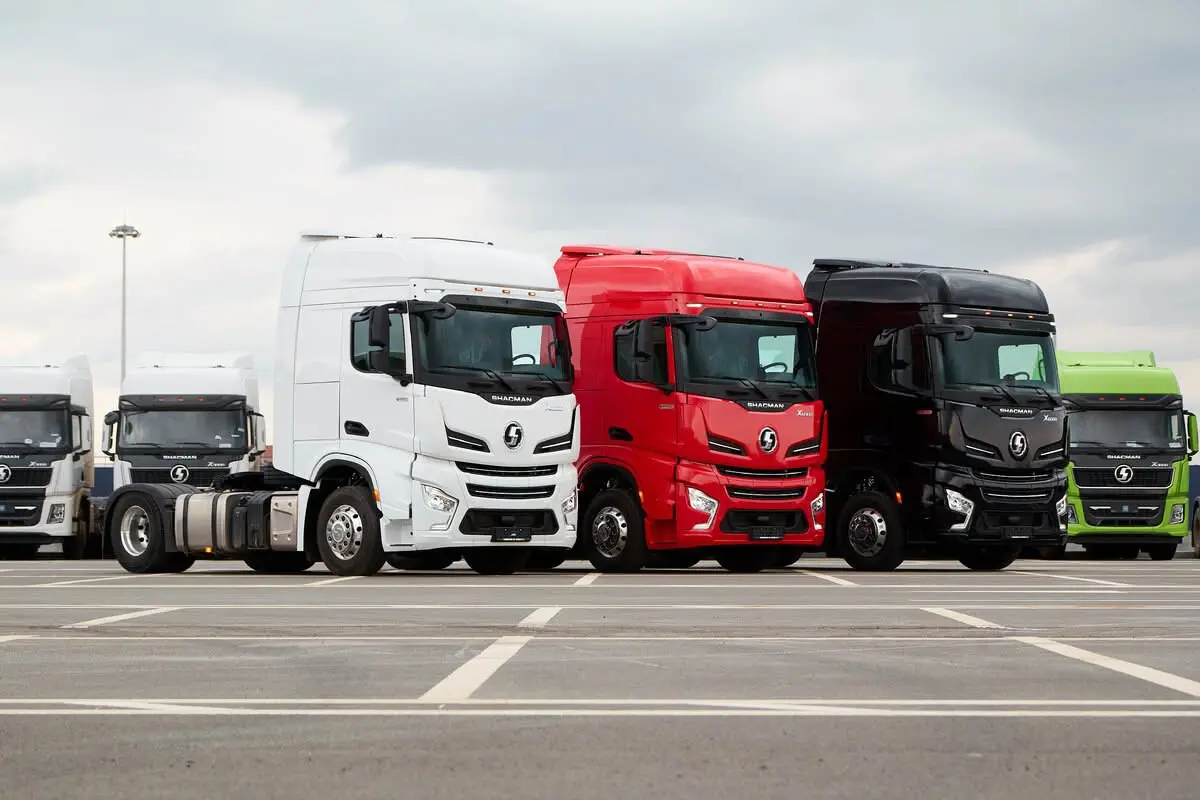
caminhão mais potente do mundo: o Shaanxi X6000
About Shacman: Shacman Holdings is a leading Chinese commercial vehicle manufacturer with products operating in more than 140 countries. In Africa, the company holds over 30% market share in Ethiopia’s heavy truck segment and continues to expand its localized service infrastructure across the continent.
Contact us now to get the latest Shacman truck price list and delivery schedule.
Email: export@shacman-group.com
WhatsApp: +86-1886219929
Website: https://www.shacman-group.com
We usually respond within 12 hours with a full specification sheet and CIF quotation.


Copyright @2023 Shacman. All Rights Reserved. Privacy Policy.