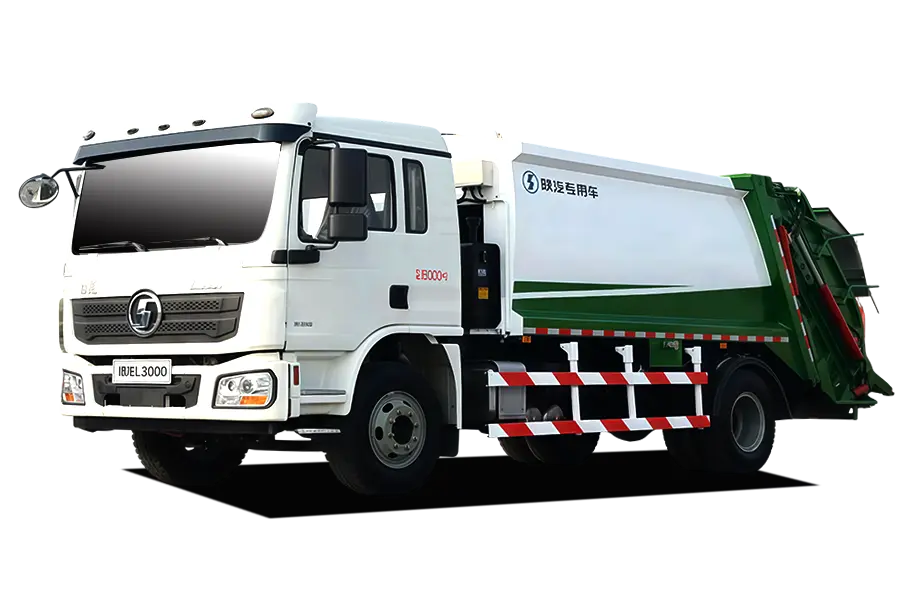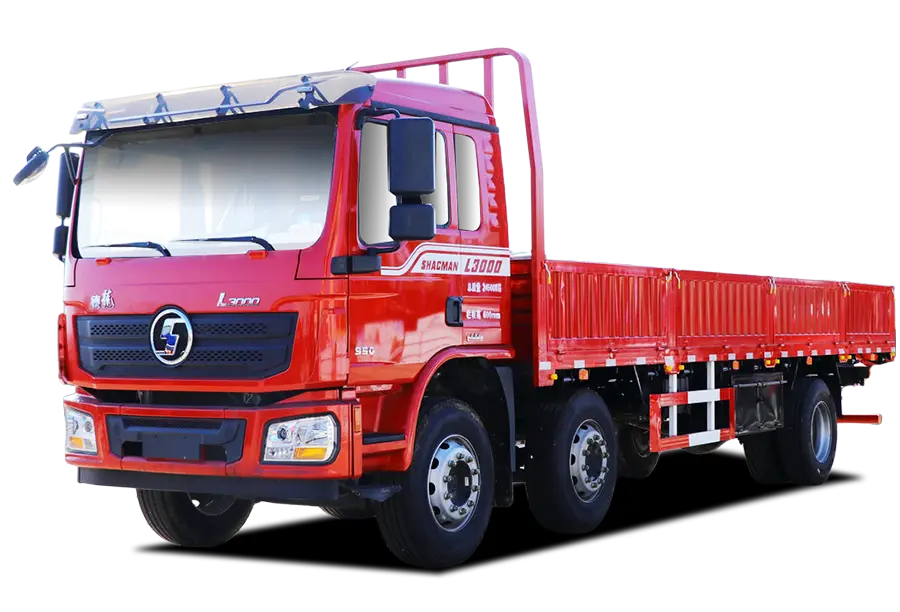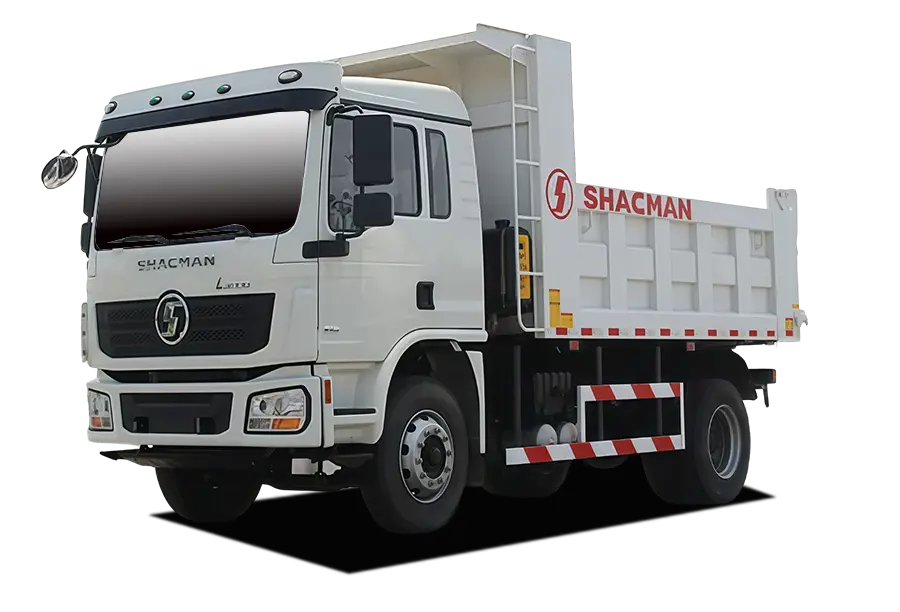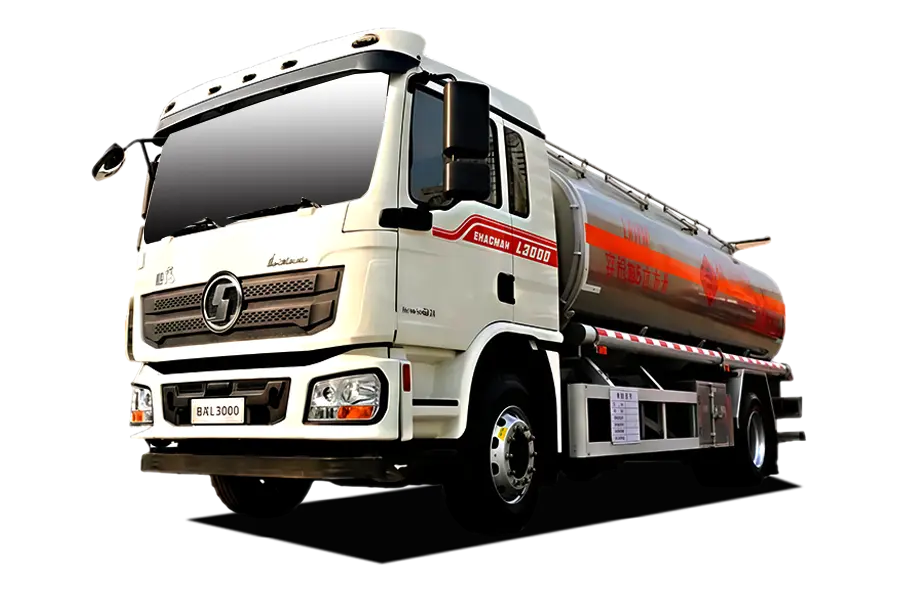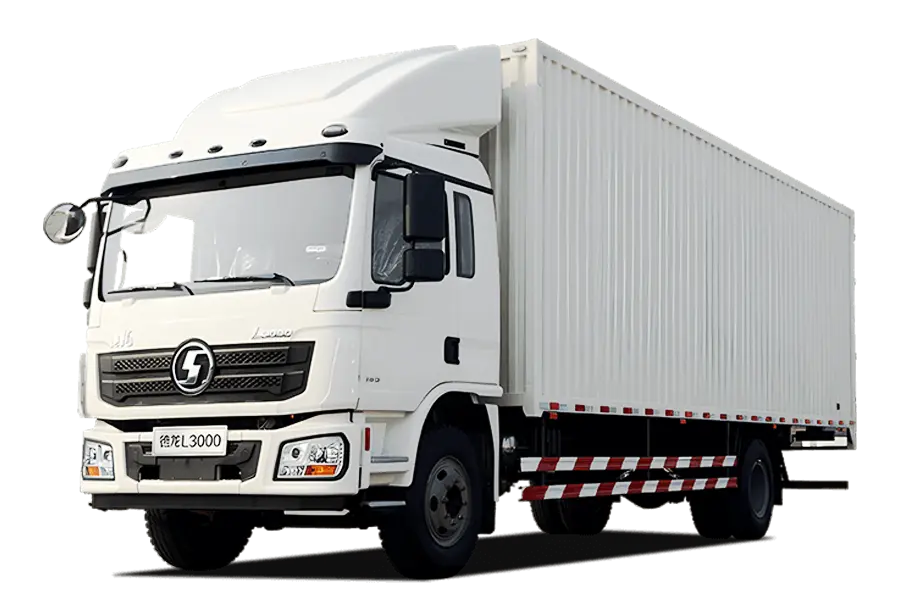
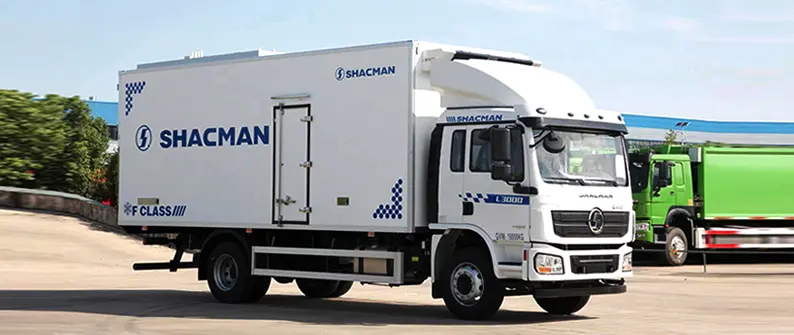
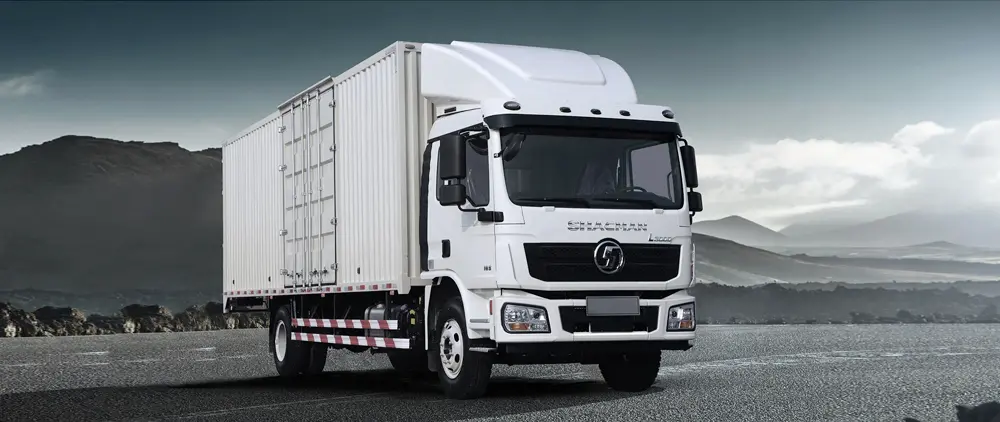
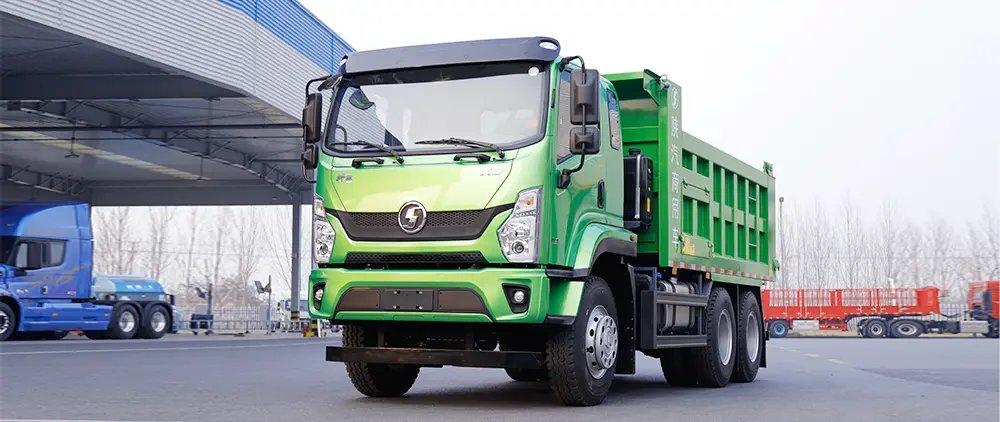
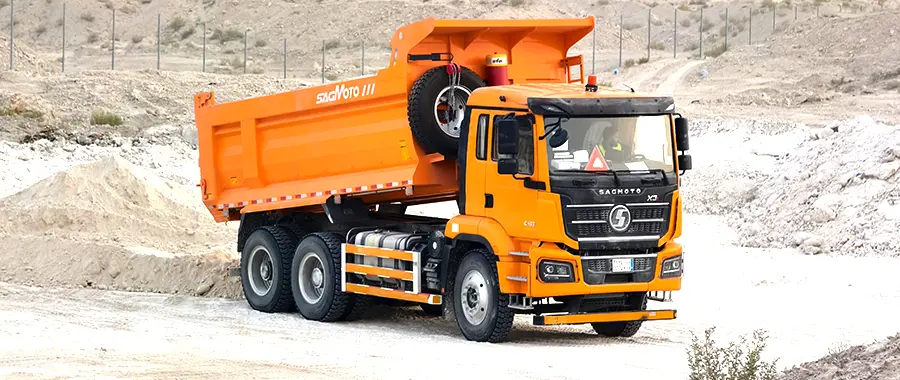
Series – L3000
Fire pump model – CB 10/60
Engine – SHACMAN WP10.336E53
Dimension (mm) – 7500×2500×3300

Series – L3000
Fire pump model – CB 10/60
Engine – SHACMAN WP10.336E53
Dimension (mm) – 7500×2500×3300

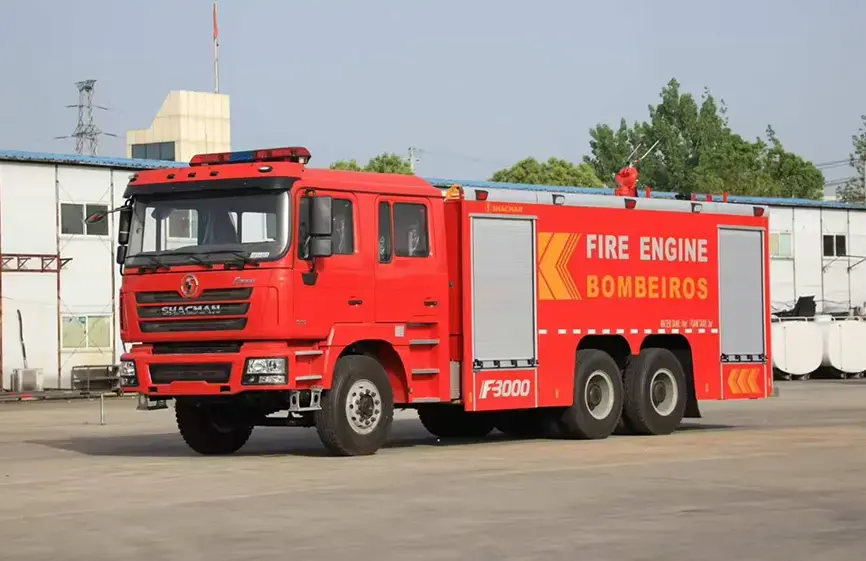
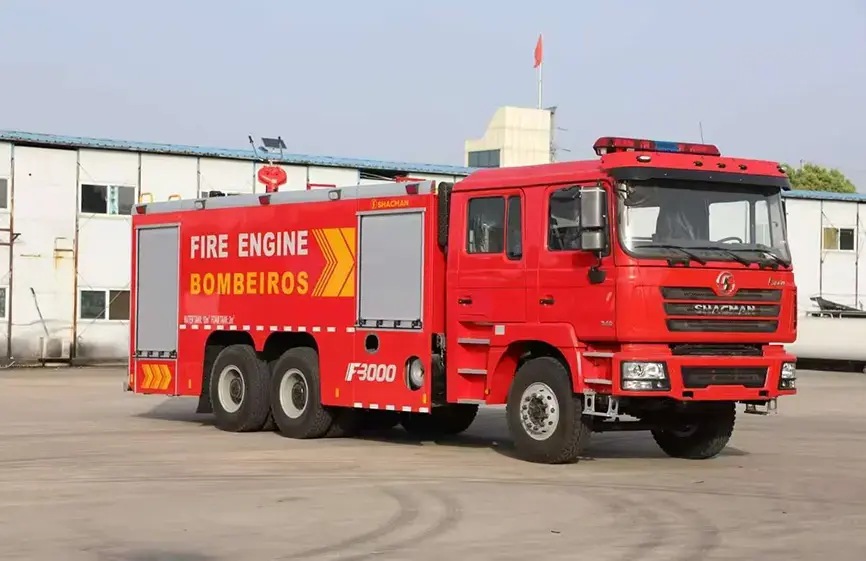


The Shacman L3000 Fire Truck is a high-performance emergency vehicle designed to meet the rigorous demands of firefighting and rescue operations. Built on the robust Shacman L3000 chassis, this fire truck combines advanced engineering with durability, ensuring reliable performance in critical situations.
Equipped with a high-torque engine, the Shacman L3000 Fire Truck delivers exceptional power for rapid response. Its optimized combustion system enhances fuel efficiency while maintaining high output, making it ideal for long-distance emergency missions.
The Shacman L3000 Fire Truck supports seamless integration of firefighting tools, including water pumps, hoses, and foam systems. Its modular design allows customization for urban fire suppression, industrial accidents, or forest fire scenarios.
The Shacman L3000 chassis is built with corrosion-resistant materials, ensuring longevity in harsh climates. Whether combating wildfires or responding to chemical spills, this fire truck withstands prolonged use without compromising performance.
Proven Reliability: The Shacman L3000 Fire Truck is trusted by emergency teams worldwide for its consistent performance under pressure.
Cost-Effective Maintenance: Simplified design reduces downtime, lowering operational costs for fire departments.
Global Compliance: Meets international safety standards, facilitating deployment across diverse regions.
| Shacman L3000 Fire Truck | ||||
| Carriage parameters |
Distribution structure of carriages | The front part is the equipment box, the middle part is the water tank, and the rear part is the pump room. | ||
| Material of carriage construction | The frame skeleton and skin are made of high quality Q235 carbon steel profiles. | |||
| Car body making process | plates are treated with acid washing and phosphating to prevent corrosion, all parts and standard parts are treated with electroplating, electrophoresis and other surface treatment processes. All cutting parts are cut by laser cutting machine to ensure the precision of parts. | |||
| Fire extinguishing agent tank parameters | Tank capacity | 6000KG,2000KG 6000KG water tank, 2000KG foam tank | ||
| Tank material | Water tank and foam tank are made of 304 stainless steel | |||
| Tank structure | The tank frame is welded, longitudinal and transverse wave prevention plates are set inside the tank, and a manhole is opened in the middle. The head, side plate and partition plate all have trapezoidal rib to increase strength, and the top plate is reinforced with steel triangular profile. | |||
| detection mode | After 0.1 MPa hydrostatic pressure strength test, no obvious residual deformation appeared on both sides of the tank. | |||
| Tank characteristics | 1.The tank is equipped with a device to prevent the water pump from forming vortices which will affect the flow rate and a filter screen. 2. The tank is equipped with a stainless steel floating ball level indicator, which can display the capacity of the extinguishing agent in the tank through the level meter on the instrument panel; the bottom of the tank is equipped with a sewage outlet with a ball valve. 3.The tank has one DN76 overflow pipe and two DN76 inlet ports on both sides of the car, which is convenient for other vehicles to supply water and add liquid. |
|||
| Fire pump parameters | brand | Shanghai Rongshen | ||
| model | CB10/60 normal pressure fire pump | |||
| rate of flow | 60L/s | |||
| pressure | 1.0MPa | |||
| Vacuum pump parameters | Working form | piston | ||
| Water diversion time | ≤35s | |||
| Water absorption depth | ≥7m | |||
| maximum working pressure | ≥85Kpa | |||
| Pipeline system parameter | Water suction line | DN150,The water pump has a DN150 inlet. | ||
| Water absorption method | Natural water source, liquid tank, fire water storage tank. | |||
| Water absorption method | One DN100 outlet fire cannon pipe is set on the roof, and one DN80 and one DN65 outlet are set on both sides of the pump room. | |||
| Water supply line | A DN65 pump is set in the pump room to inject water into the tank. There are 2 DN65 injection pipes on both sides of the car, which can inject water into the tank. | |||
| Empty the remaining pipes | In order to protect the pump and each ball valve, a discharge pipe is installed in the pipeline, and ball valves are respectively equipped. | |||
| Cooling water lines | Set up a circulating water line to cool the force collector for a long time. | |||
| Fire cannon parameters | brand | WESTE | ||
| model | fire cannon | |||
| rate of flow | 48L/S | |||
| working pressure | 1.0MPa | |||
| Work radiu | Water ≥ 70m, foam ≥ 65m | |||
| installation site | Top of the tank. | |||
| Fire pump power unit | Form of forceps | Full power sandwich actuator. | ||
| cooling-down method | Forced water cooling. | |||
| Lubrication method | Splashing oil lubrication. | |||
| control mode | Cab control. | |||
| electrical system | lamps and lanterns | 1.The cab is equipped with a long row of police lights, and three warning flashing lights are set on both sides of the car. 2 Fire scene lighting lamps are set on the roof of the car, and lighting combination lamps are set on both sides of the car. 3.LED lighting is set in the member room, equipment box and pump room 4.Side profile lights are set, and turn signals are set at the rear. |
||
| siren | 100W | |||
| control method | 1The police light, alarm and flashing light are controlled in the cab. 2.The lighting of the equipment box and pump room is controlled in the pump room |
|||
| Equipment room parameters | material quality | The equipment rack is made of aluminum alloy profile, and the interior panel is oxidized aluminum plate. | ||
| technology | The equipment room adopts a lockable roller shutter door, the handle and lock pin are strong and durable, and do not deform. The rivets are fixed in the sliding tracks on both sides, and the sealing performance has been tested by water to ensure no leakage. | |||
| design discipline | 1.Design materials integration according to combat formation and combat deployment. 2.Various equipment brackets are designed according to ergonomic principles. 3.No climbing tools are required, and the principle of simple and practical access to any equipment in the box. 4.Place equipment according to the logical relationship and frequency of use. 5. Take any equipment within 1-2 movements from the ground or on the pedal. |
|||

Copyright @2023 Shacman. All Rights Reserved. Privacy Policy.