Introduction
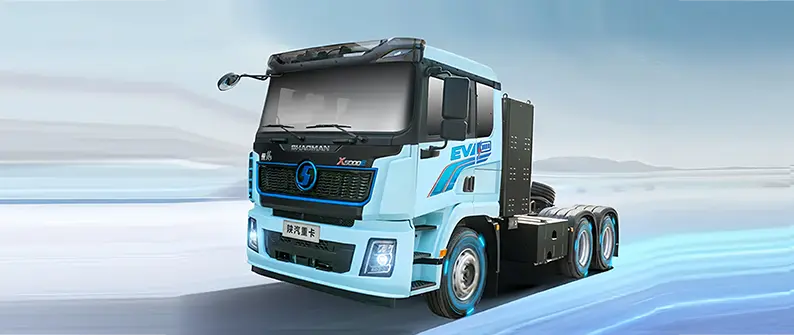
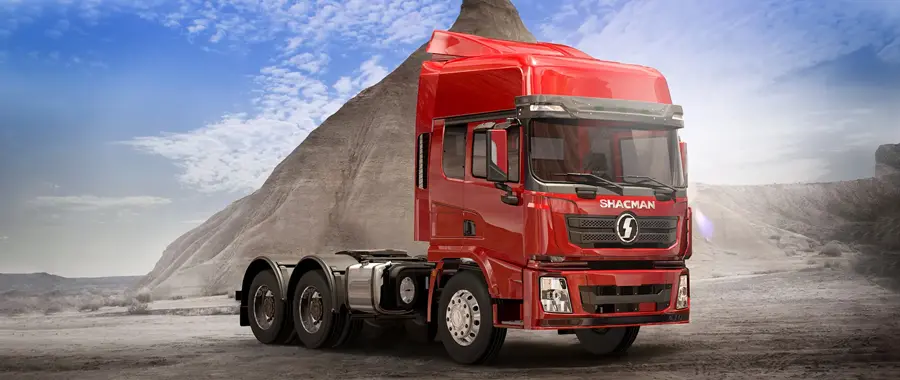
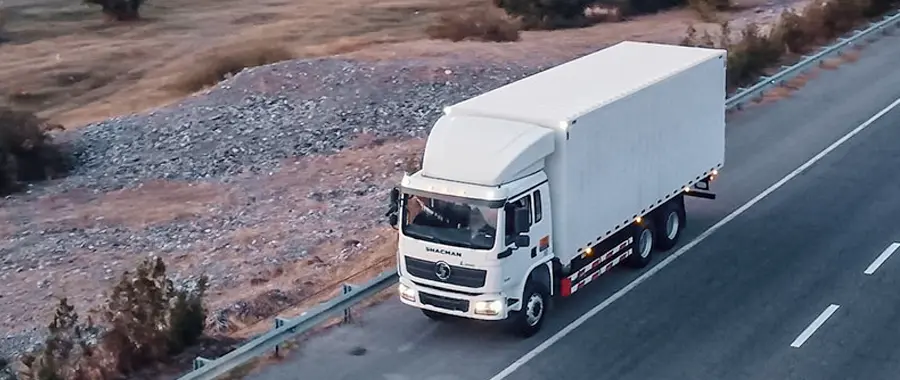
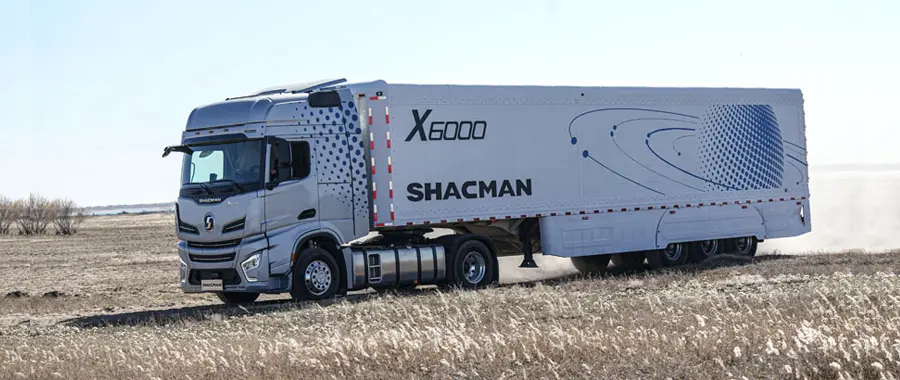
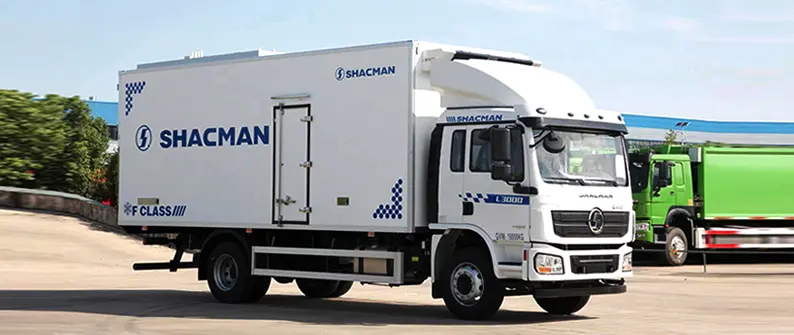
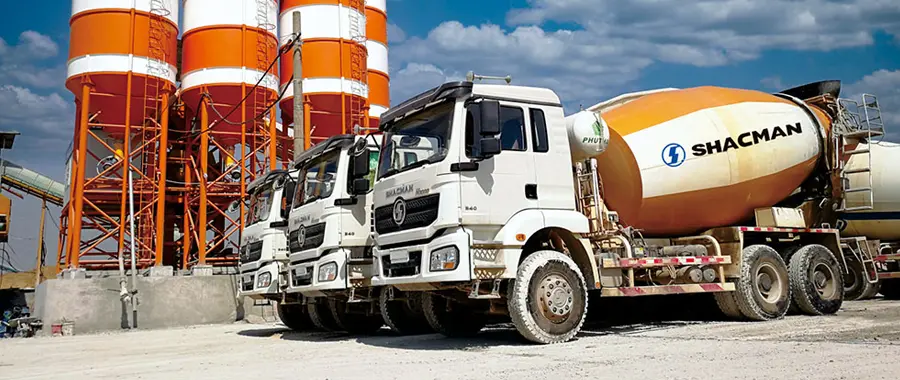
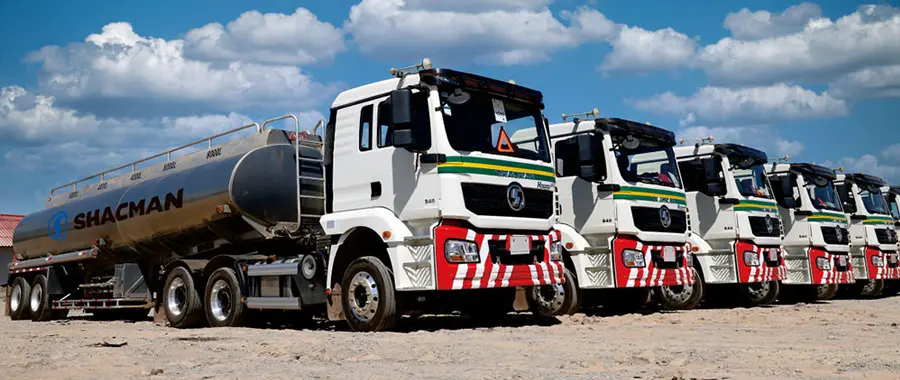
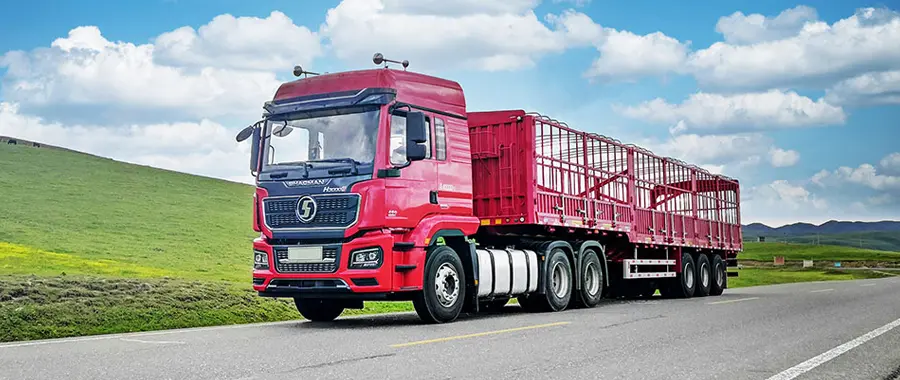
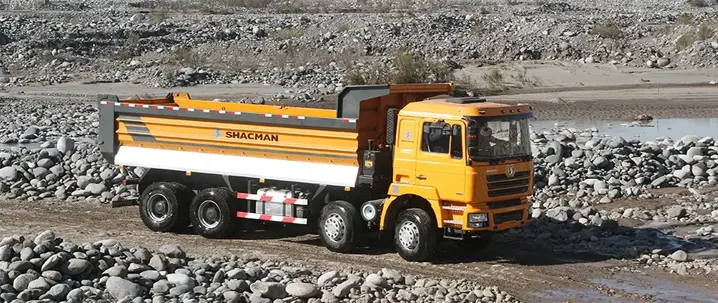
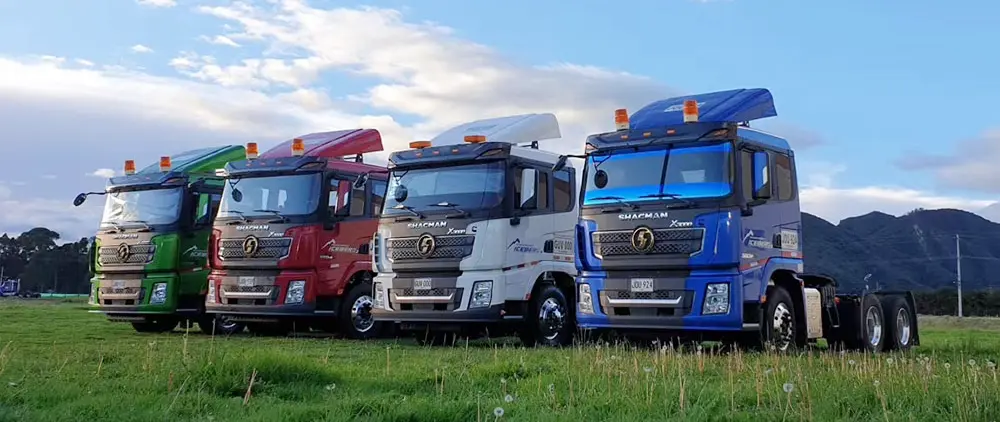
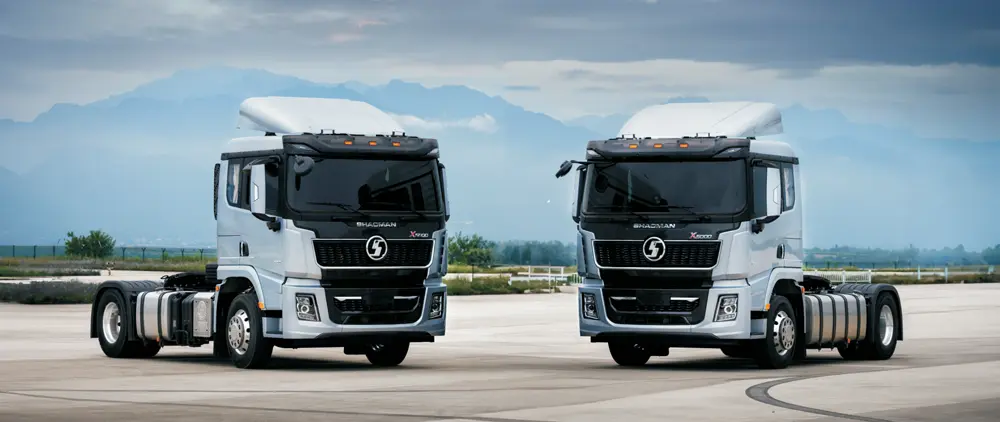
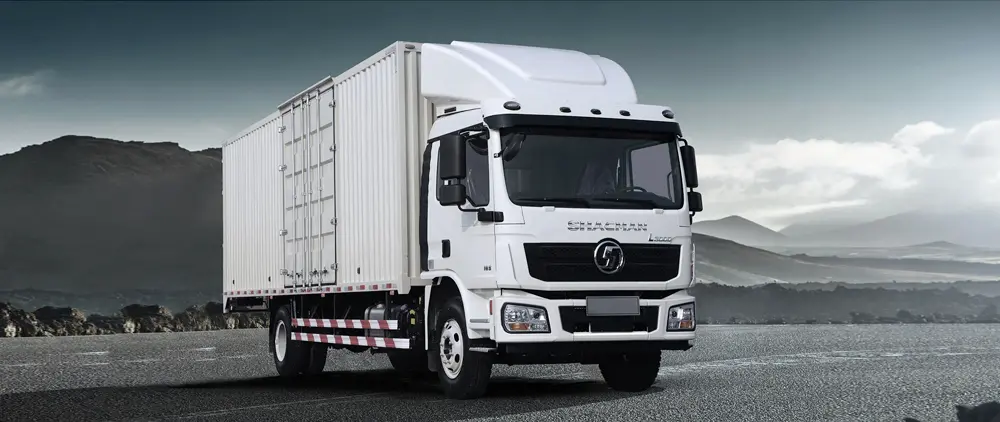
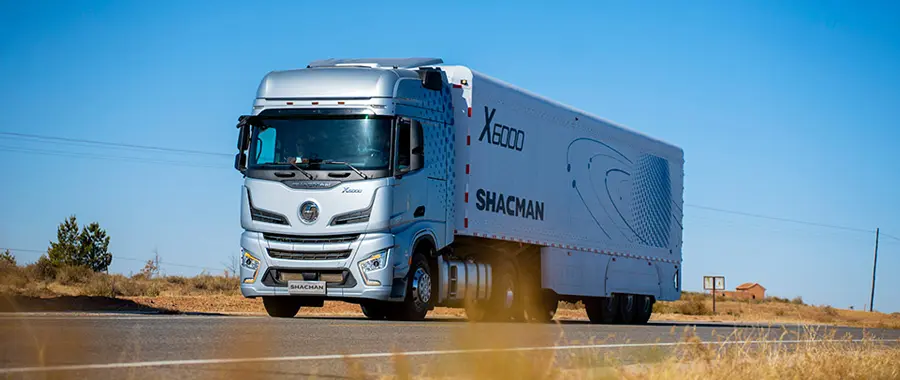
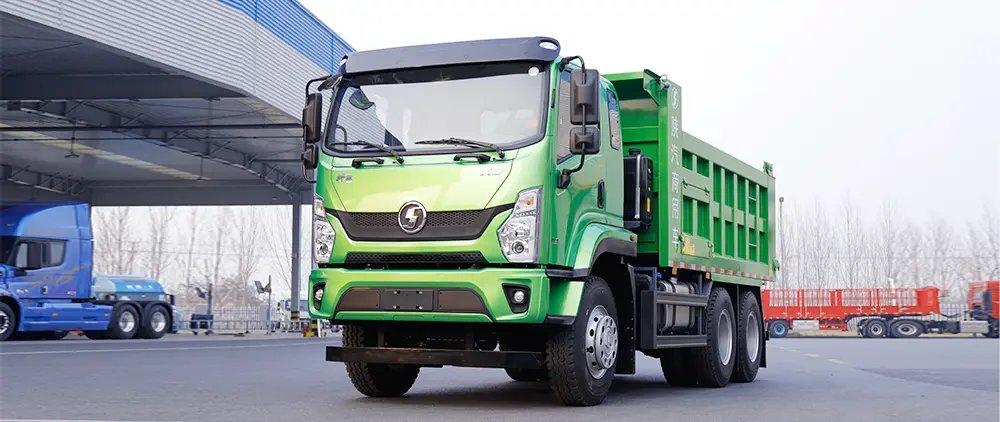
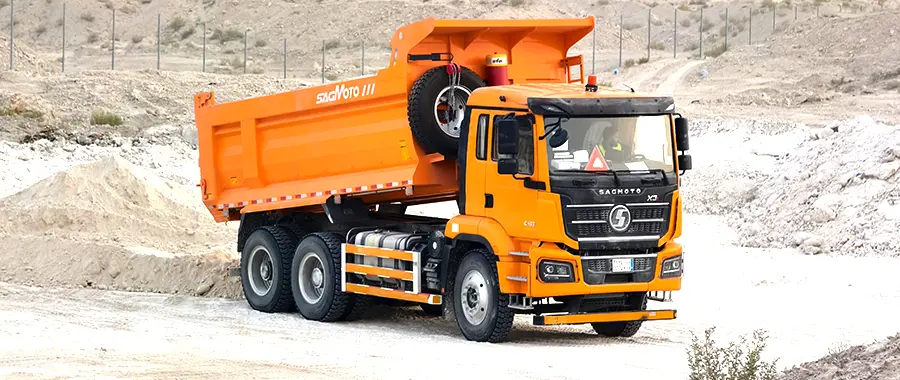
Shacman heavy-duty trucks including tractors, dumpers and cargo vehicles are widely used in construction, mining and cross-country long-distance transportation across Africa, Southeast Asia and the Middle East. Different from light passenger vehicles, Shacman trucks adopt multi-speed manual transmissions, full air brake systems and high-torque Weichai diesel engines. Improper operation will lead to clutch burning, brake overheating, excessive fuel consumption and traffic accidents. This beginner-friendly guide covers all core driving operations for new Shacman operators.
1. Mandatory Pre-Drive Inspection
Complete a full walkaround and cabin check before every departure.
External Check
- Tires: Inspect tire pressure, remove embedded stones and nails. Check wheel nuts for looseness and tire sidewall cracks. Never drive with damaged tires under full load.
- Leakage: Check for oil, coolant or air leaks under the engine, gearbox and axles.
- Vehicle body: For dump trucks, ensure the cargo box is fully locked down. For tractor units, double-check kingpin connection with trailers. Strictly avoid overloading.
- Lights and mirrors: Verify headlights, turn signals, brake lights and rearview mirrors work clearly.
Cabin Preparation
Adjust the air suspension seat, steering wheel and mirrors to eliminate blind spots. Fasten your safety belt tightly. Turn the ignition to ON without starting the engine, wait for the dashboard self-test to finish.
Shacman air brakes require 6–8 bar air pressure. Do not release the parking brake until the pressure reaches the standard value. Test exhaust brake, wipers and hazard lights for normal function.
2. Engine Startup and Warm-Up
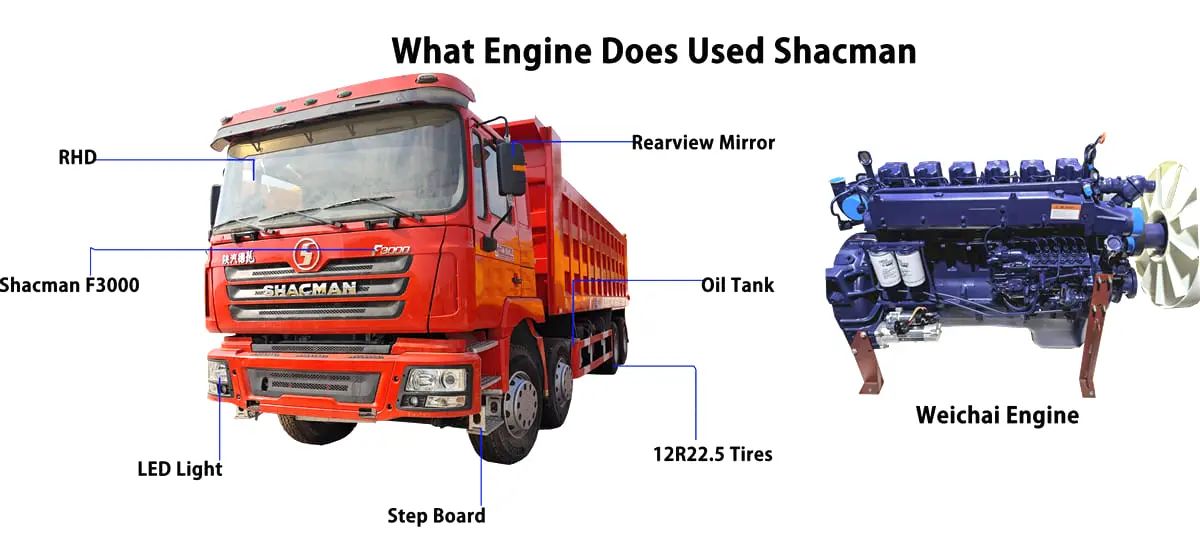
Most Shacman trucks are fitted with WP10, WP12 or WP13 diesel engines.
- Press the clutch fully, shift into neutral and pull up the parking brake.
- For normal temperatures: Turn the key to start the engine, release the key right after ignition. Idle for 2–3 minutes to warm up the engine.
- For cold weather below 10°C: Activate the preheat button for 10–30 seconds before cranking the engine. Idle for 5 minutes and drive slowly within the first 5 kilometers.
- Rules: Do not crank the starter for over 10 seconds continuously. Avoid heavy throttle when the engine is cold.
3. Shifting the 12-Speed Manual Gearbox
Nearly all standard Shacman trucks use Fast 12-speed gearboxes with Low (L) and High (H) ranges on the gear lever knob.
- L range (1–6 gears): For starting, climbing hills and heavy loads.
- H range (7–12 gears): For flat highway cruising.
- Core rule: Switch L/H range only when the truck is in neutral gear.
Standard Double-Clutch Shifting
4. Air Brake and Exhaust Retarder Operation
Shacman relies on three braking systems for safety: service foot brake, spring parking brake and exhaust retarder.
- Foot service brake: Daily deceleration tool with standard ABS on X3000 and M3000 models. Avoid hard braking during cornering to prevent rollover or trailer jackknife.
- Spring parking brake: Lock rear wheels for parking. Use the emergency release valve under the seat if air pressure fails completely.
- Exhaust brake (retarder): Essential for long downhill roads. Switch it on before descending. It activates automatically when you lift the accelerator and clutch.
Downhill safety rule: Use intermittent foot braking instead of holding the brake pedal nonstop to prevent brake drum overheating and brake failure.
5. Driving on Different Road Conditions
Flat Highways
Use 11th or 12th gear, keep steady RPM. Avoid frequent sharp overtakes and check mirrors regularly for blind spots.
Uphill Mountain Roads
Downshift to low gears before entering slopes to guarantee sufficient torque. Do not climb hills in high gears with low RPM. If the truck stalls on an incline, pull the parking brake immediately and restart in 1st gear.
Long Steep Downhills
Shift to a suitable low gear in advance, turn on the exhaust brake all the time. Tap the foot brake lightly to control speed. Pull over to cool brakes if you notice overheating.
Wet and Muddy Roads
Cut driving speed by half. Avoid sudden acceleration, sharp steering and emergency stops. Drive through shallow puddles only; deep water will damage the engine air intake.
Dump Truck Unloading Rules
Park on flat solid ground, block tires with wheel chocks, engage PTO before lifting the cargo box. Lower the box fully and disengage PTO before driving away. Never lift the box on sloped ground or while moving.
6. Standard Parking and Shutdown Steps
- Stop the truck on flat ground and apply the foot brake firmly.
- Pull the full parking brake and shift into 1st gear for extra anti-slip protection.
- Turn off all auxiliary electric equipment including lights and retarder switches.
- Idle the engine for 1–2 minutes to cool the turbocharger before cutting off ignition.
- For overnight parking, drain accumulated water from the fuel filter to protect the fuel injection system.
7. Common Mistakes That Damage Your Shacman Truck
- Overloading, which wears out frames, tires and brakes quickly.
- Long-time half-clutch operation leading to burnt clutch plates.
- Relying only on foot brakes during long downhill sections.
- Skipping pre-trip inspections, resulting in sudden breakdowns on the road.
- Switching L/H range at high speed while descending slopes.
- Driving at high RPM right after cold startup.
Conclusion
Safe and economical Shacman truck driving depends on standardized operations and good driving habits. Master pre-trip inspections, 12-speed double-clutch shifting and auxiliary brake usage to lower fuel costs and extend your truck’s service life. New drivers should practice low-speed empty-load driving on flat ground before transporting heavy cargo on mountain or long-distance routes. Always follow local traffic regulations and Shacman official operation specifications for maximum road safety.
FAQ Section (Add to Article Sidebar)
Q1: The L/H range switch on my gear lever does not work.
A: You must shift to neutral before toggling the range switch. If it still malfunctions, check the gearbox air control valve.
Q2: The air pressure builds up very slowly after startup.
A: Check for air pipeline leaks or air compressor faults. Stop driving if pressure cannot reach 6 bar.
Q3: My exhaust brake does not activate downhill.
A: Confirm the retarder switch is turned on. The exhaust brake will disengage once you press the clutch or accelerator.
Q4: Are the driving skills different for Shacman AMT automatic trucks?
A: AMT models remove manual clutch operation with automatic shifting, but downhill exhaust brake and load limit rules remain the same.