Stay up-to-date with the
Press Releases

Africa is experiencing an unprecedented surge in infrastructure development and logistics expansion. Industry data shows that annual heavy truck sales in Africa currently range between 200,000 and 250,000 units, with the total fleet estimated at 1.6 million vehicles as of 2025. In 2025, Chinese heavy truck exports to Africa exceeded 140,000 units, with Chinese brands capturing over 58% of the African market. For your company, which specializes in selling Chinese brand trucks, this represents not only a tremendous market opportunity but also the responsibility to help customers make the right purchasing decisions.
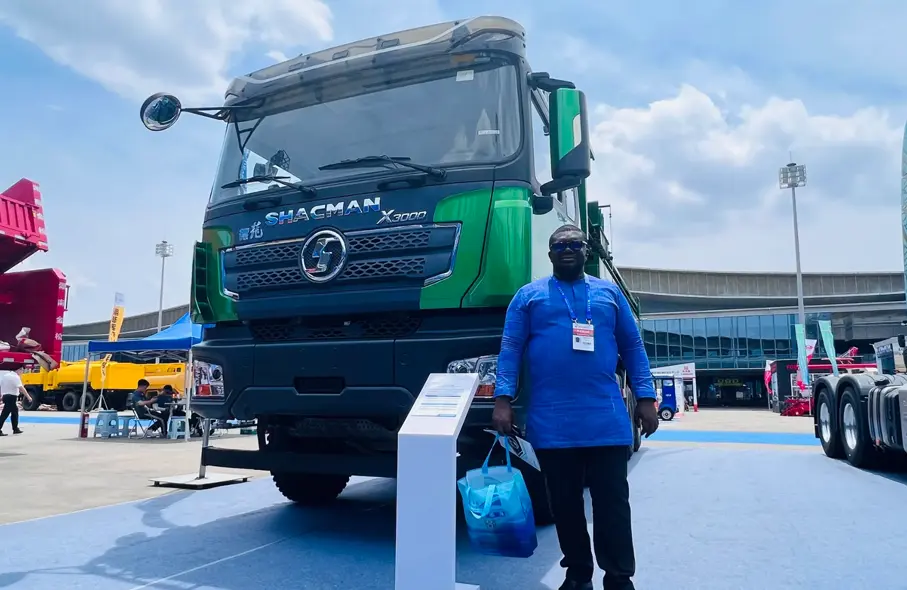
This guide examines the African operational environment, outlines the core principles of heavy truck selection, and provides detailed recommendations with a special focus on SHACMAN one of Africa’s fastest-growing Chinese truck brands.
The African operating environment differs fundamentally from mature markets in Europe and Asia. A truck that performs excellently on European highways may struggle on African dirt roads. Understanding these three core characteristics is the first step in selecting the right vehicle:
1. Diverse and challenging road conditions. Over 80% of Africa’s freight relies on road transport, yet road conditions vary enormously—from well-paved highways to rain-damaged dirt roads and mine-site gravel paths. West African coastal areas often suffer road damage from seasonal flooding, while East and Southern Africa face the challenge of long-haul routes with inconsistent road quality.
2. Harsh climatic conditions. Most of Africa experiences temperatures consistently ranging from 35°C to 45°C, with significant dust levels. High temperatures severely test engine cooling systems, while dust is the “number one killer” of air filters. Additionally, the high humidity and frequent rainy seasons in West and Central Africa demand superior rust protection and electrical system shielding.
3. Inconsistent fuel quality. Diesel quality varies widely across Africa, with many regions having high sulfur content that is particularly unfriendly to sophisticated high-pressure common-rail fuel systems. Choosing an engine with greater tolerance for fuel quality variation is key to minimizing breakdown rates.
Purchasing decisions in Africa cannot be based solely on the initial purchase price. Total Cost of Ownership (TCO) is the most critical metric. A cheap truck that breaks down frequently and has scarce parts availability may ultimately cost far more than a slightly more expensive but reliable and durable model.

The primary principle for truck selection in Africa is mechanical simplicity. Complex electronic systems (especially Euro V and Euro VI systems with AdBlue) have higher failure rates in African conditions and are more difficult to repair.
Engine: Choose models with simple mechanical structures and proven track records in Africa. Weichai is the most common power choice among Chinese brands in Africa, followed by Cummins and Yuchai. Naturally aspirated or simple turbocharged diesel engines are more tolerant of poor-quality fuel than high-pressure common-rail systems.
Air Filtration: Must be equipped with a cyclone pre-filter plus heavy-duty main filter dual-filtration system—dust is the number one killer of engines in Africa.
Cooling System: Oversized radiators and viscous fans are essential under extreme heat and heavy-load climbing conditions.
Transmission: Rugged manual transmissions are preferable to complex automatics—easier to repair and more durable.
Frame: Choose thickened high-strength steel frames; avoid lightweight designs.
Suspension: Heavy-duty parabolic leaf springs are the “gold standard” for Africa—simple, robust, repairable locally, and better suited to overload conditions than air suspension.
Ground Clearance: As high as possible to handle rain-damaged sections of road.
Tires: All-steel radial tires are standard.
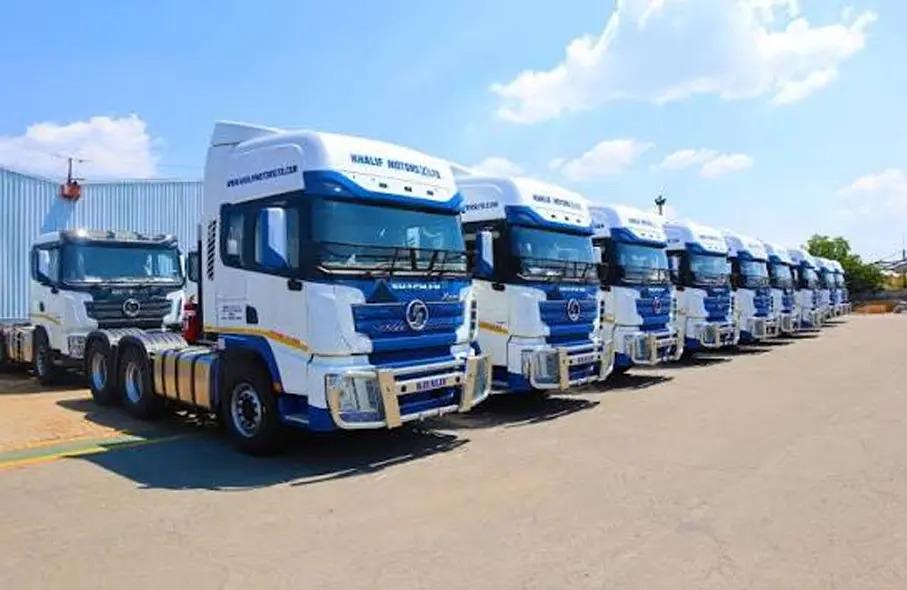
6×4: Standard configuration for heavy haulage in Africa, suitable for mixed terrain.
8×4: Suitable for heavy-duty operations such as quarry work.
6×6: Ideal for extreme off-road and mining operations.
Most of Africa has no stringent emission controls, and the mainstream models on the market still meet China III standards. Most African countries accept China IV/Euro IV standards. Choosing a truck with excessively high emission standards (such as Euro V or Euro VI) may actually increase failure risk due to fuel quality incompatibility. However, note that some countries (such as Senegal) have raised the maximum import age limit for trucks to 15 years—regulations vary by country and should be verified in advance.
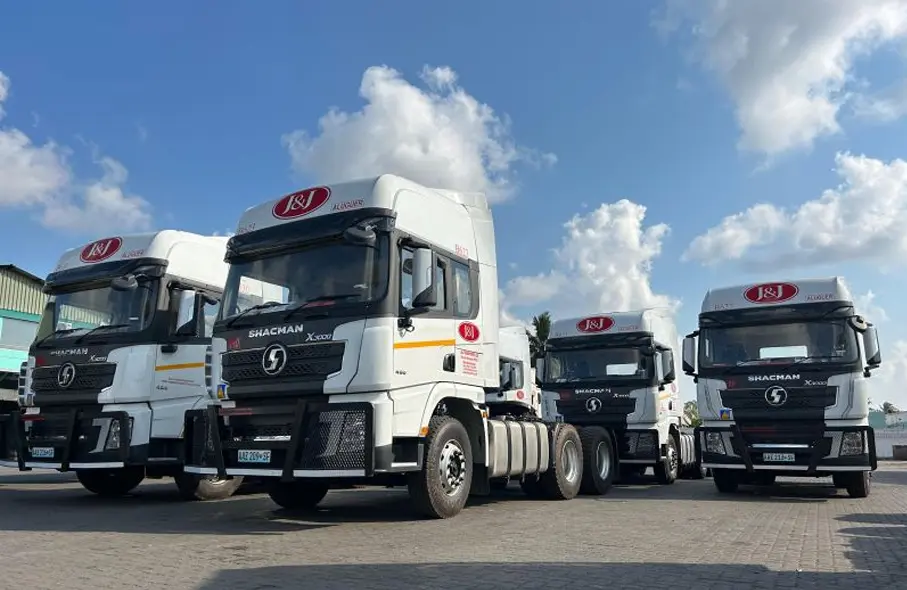
Chinese heavy truck brands have captured over half of the African market in just a few years, driven by three core advantages:
1. Significant cost advantage. In Tanzania, for example, a brand-new Chinese heavy truck sells for approximately $52,000–$57,000. A ten-year-old used Scania with 700,000 km still costs $70,000, while a new European heavy truck costs $120,000–$125,000—roughly twice the price of a Chinese truck. Even a used European truck costs nearly 40% more than a new Chinese one. A new Chinese truck comes with factory warranty and zero mileage.
2. Dramatically lower maintenance costs. Based on 50,000 km annual mileage, a Chinese heavy truck costs approximately RMB 7,500 per year in maintenance, while a used European truck under the same conditions costs RMB 20,000. As Chinese brands establish dealerships and service stations across Africa, parts availability continues to improve.
3. Financial policy support. Leveraging Sinosure (China Export & Credit Insurance Corporation) and other overseas financial policies, Chinese brands can effectively lower the purchase barriers for local customers while providing risk protection for export trade.
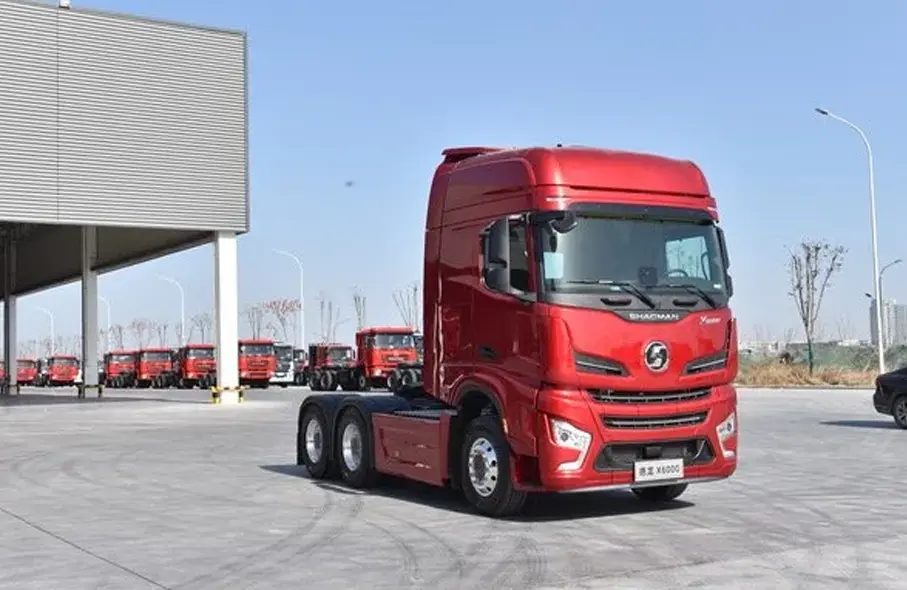
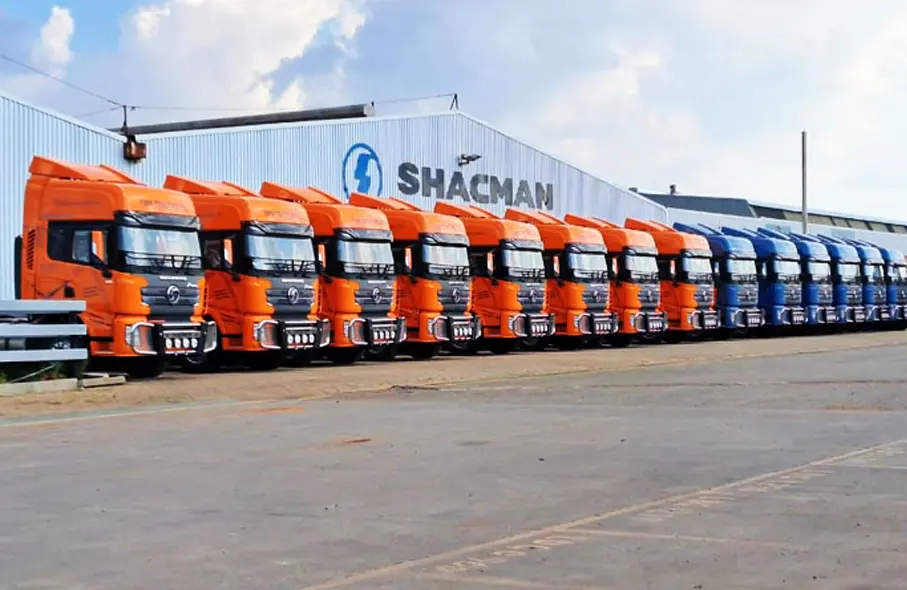
SHACMAN (Shaanxi Automobile Group) has emerged as one of the fastest-growing Chinese truck brands in Africa. With products exported to over 140 countries and regions and overseas vehicle ownership exceeding 370,000 units, SHACMAN reported approximately 61,000 units in overseas sales in 2024, accounting for over 20% of China’s total heavy truck exports. In the first half of 2025 alone, SHACMAN exported 28,000 heavy trucks, representing 25% year-on-year growth. African sales grew 29% year-on-year in H1 2025.
SHACMAN’s market presence spans key African nations including Nigeria, Kenya, South Africa, Algeria, Tanzania, and Ethiopia. The company has established 43 international offices, 190 primary dealers, 240 sales networks, and 110 overseas service engineers–, with 15 localized production plants in countries including Kenya, Algeria, Nigeria, and Ethiopia.
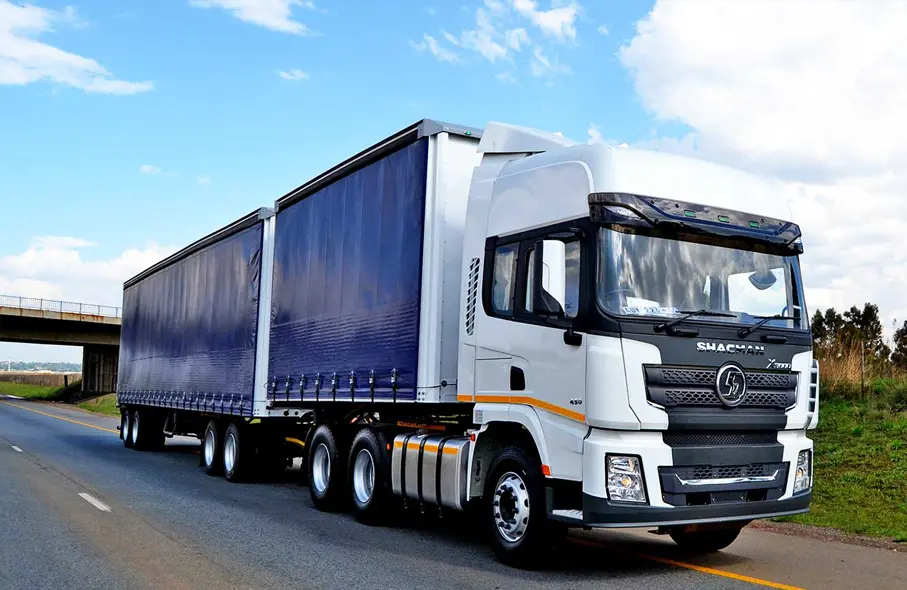
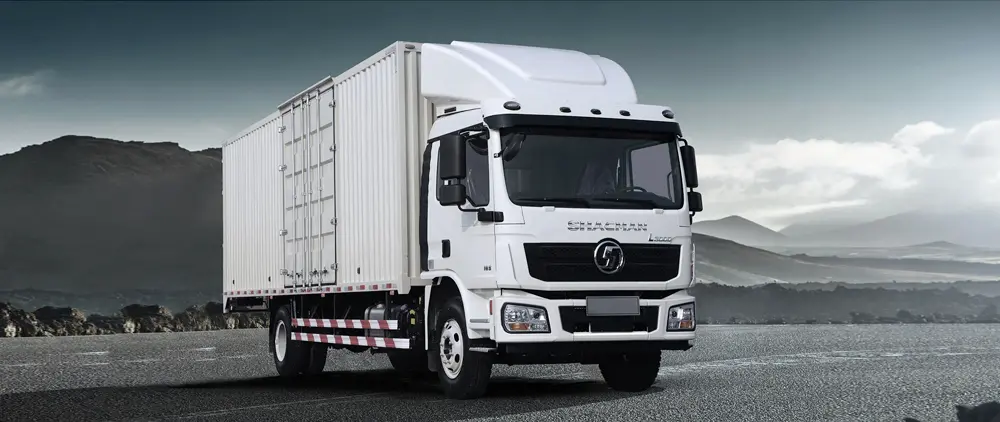
SHACMAN offers five major product families for international markets: X5000, X3000, F3000, M3000, and L3000 series–. Below is a detailed breakdown of each series and its recommended applications in Africa.
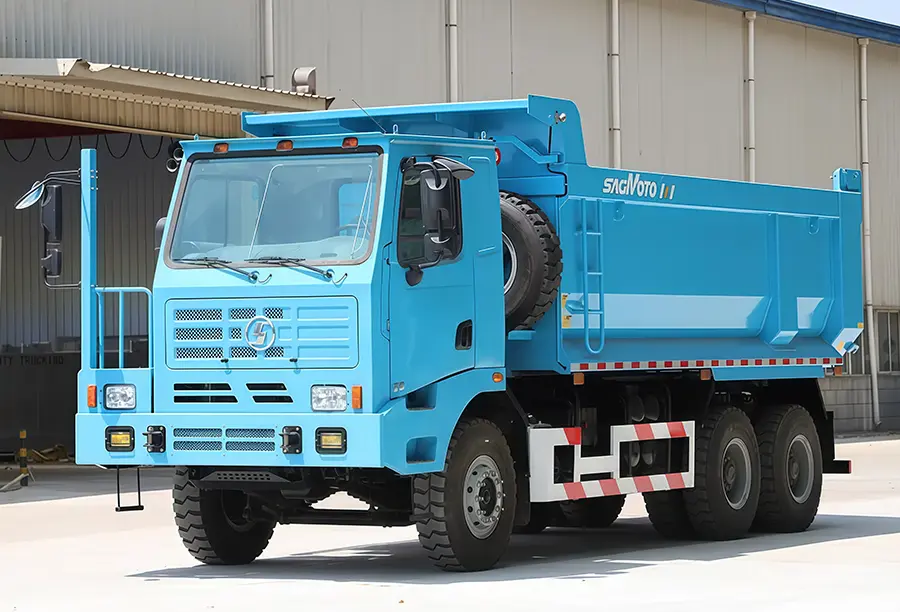
Positioning: Heavy-duty mining dump truck and construction vehicle
Key Specifications:
Engine: Weichai or Cummins, 270–430 HP
Drive configurations: 6×4, 8×4
GVWR: 16–55 tons

Why It Excels in Africa:
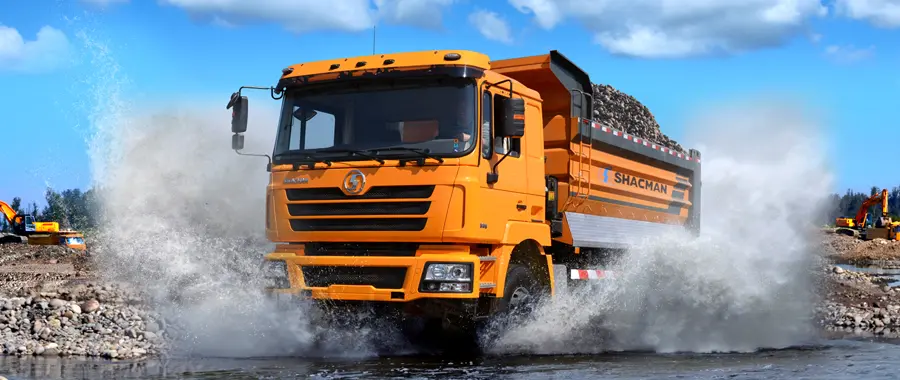
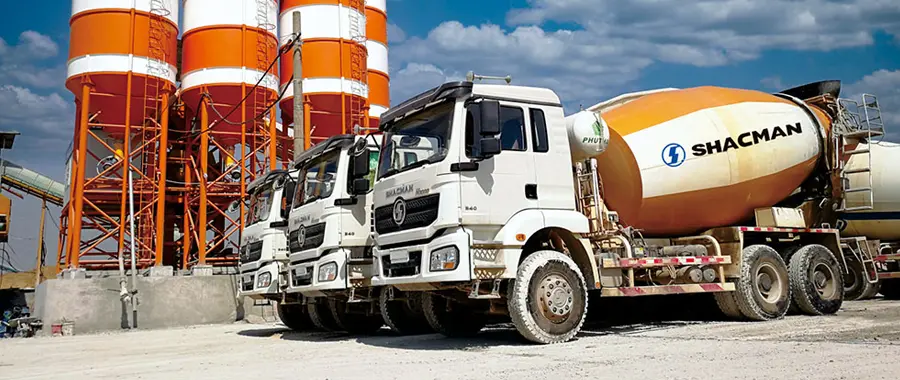
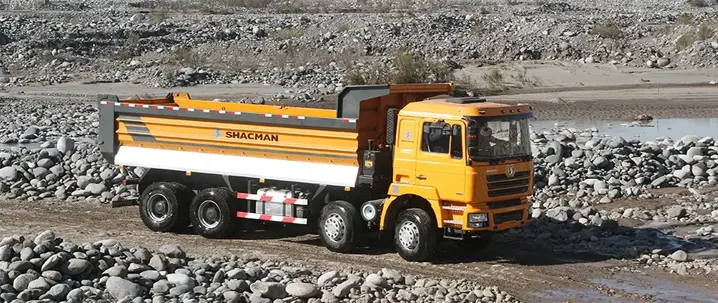
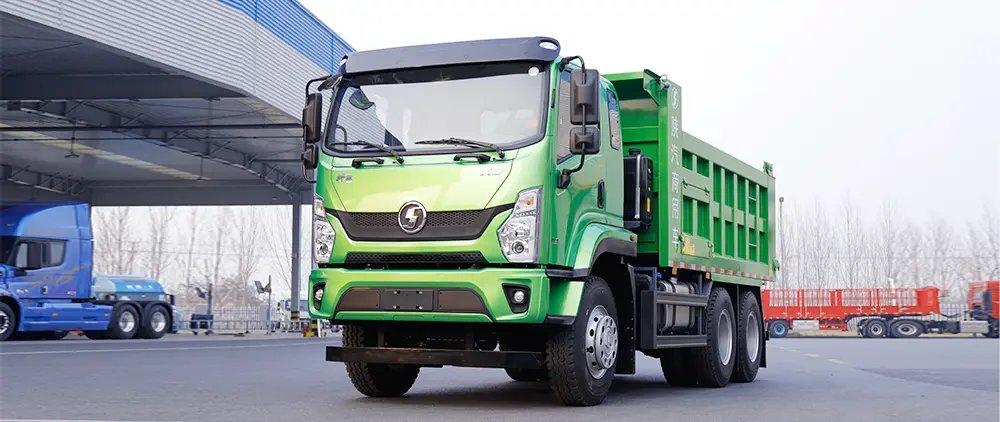
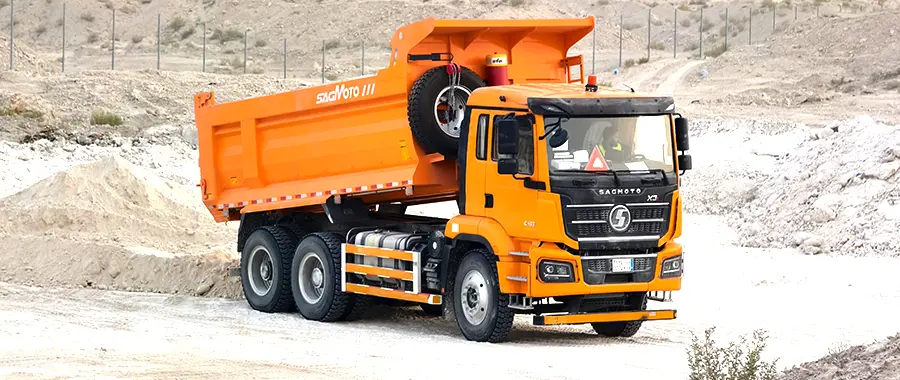
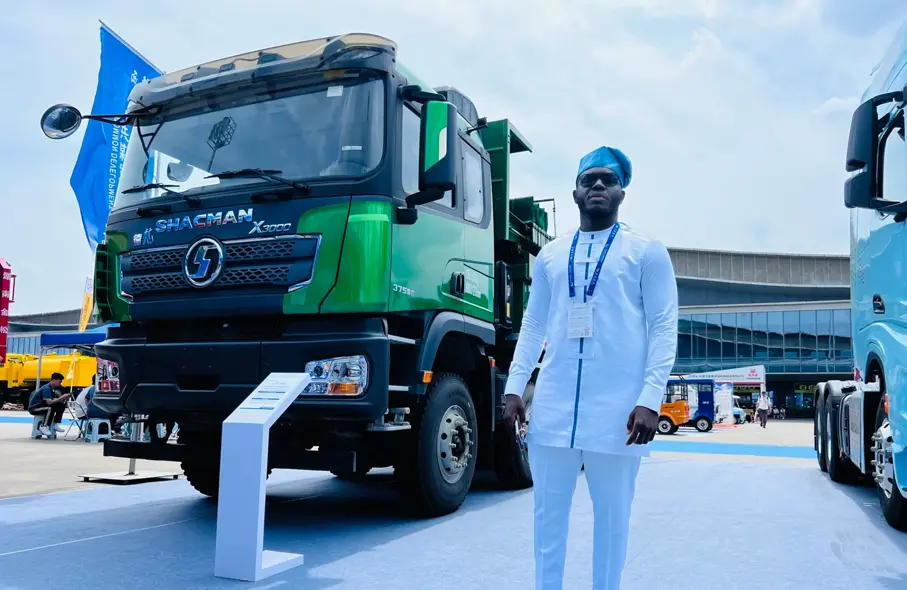
The F3000 is SHACMAN’s top-selling mining vehicle, specially optimized for Africa’s open-pit mines. It features a reinforced chassis and dust-proof air filtration systems, adapting to dusty platinum and coal mining sites. Impala Platinum deployed dozens of F3000 tippers in South Africa, significantly cutting fleet maintenance costs and reducing daily breakdown downtime.
The F3000 Super Edition Dump Truck takes durability to the next level. It incorporates full-coverage protection upgrades—from the front bumper and fuel tank to the tail lamps. The rear suspension leaf spring has a substantial total thickness of 319.5mm, specifically engineered to withstand demanding mining conditions–. Upgraded sealing structures, enclosed alternators, and corrosion-resistant fasteners ensure long-term reliability in harsh, humid, and dusty environments.

Real-World Application: More than 1,300 SHACMAN heavy-duty trucks—predominantly F3000 models—operated around the clock on the Trans-Guinean Railway project, connecting the Simandou iron ore deposit to the Atlantic coast. Multiple configurations were deployed: 380 HP models for container logistics, 400 HP models for railway material transport, and 430 HP models for heavy-duty hauling of bridge components.
Best For:
Mining operations (open-pit, platinum, coal, iron ore)
Construction sites and quarry work
Unpaved and rough terrain haulage
Heavy-duty dump truck applications
Positioning: Multi-purpose heavy truck balancing cost, comfort, and performance
Key Specifications:
Engine: Weichai or Cummins, 380–460 HP (up to 550 HP available)–
Drive configuration: 6×4
GVWR: 18–70 tons
Why It Excels in Africa:
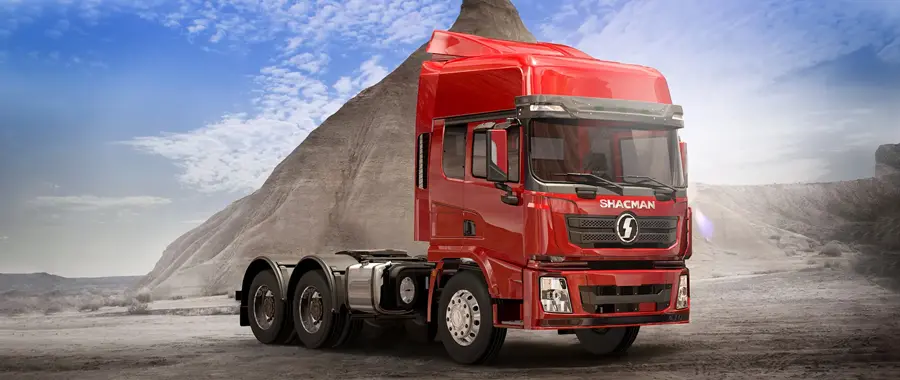
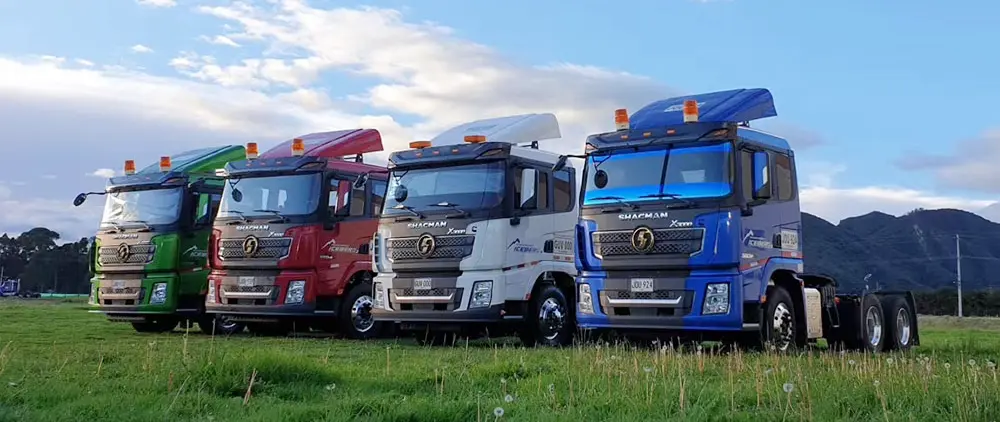
The X3000 series balances cost and comfort, covering everything from urban construction to medium and long-distance freight. Fitted with a 12-speed manual transmission, it delivers stable power on bumpy suburban roads. Thanks to affordable maintenance costs, it is widely purchased by small and medium-sized construction companies.
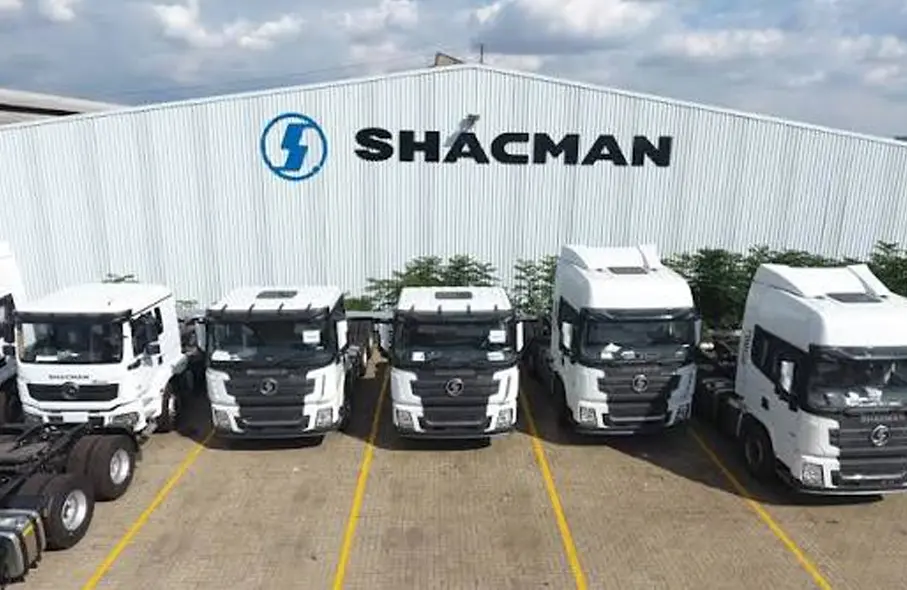
In Ethiopia, SHACMAN’s KD (knocked-down) assembly plant focuses on assembling X3000 dump trucks, achieving 40% local component integration and slashing delivery times by 35% compared to fully built-up imports. Early orders included 50 X3000 units for a Tanzanian mining firm, drawn to the model’s 380HP Weichai engine and U-shaped cargo box optimized for mineral transport.
Real-World Application: A Tanzanian logistics company incorporated 52 SHACMAN X3000 tractors into their fleet for cross-border transportation, praising the model for its power, fuel efficiency, and safety.
Best For:
Port and general cargo transport
Urban construction and waste transportation
Medium-distance freight and cross-border logistics
Mining support operations
Positioning: Premium long-haul and cross-border logistics tractor
Key Specifications:
Engine: Weichai WP13, up to 550 HP with 2,500 N·m torque
Dual aluminum alloy fuel tanks: 1,000+ liters total capacity–
Average fuel consumption: ~40 L/100km (2.5 km/L)–
Why It Excels in Africa:
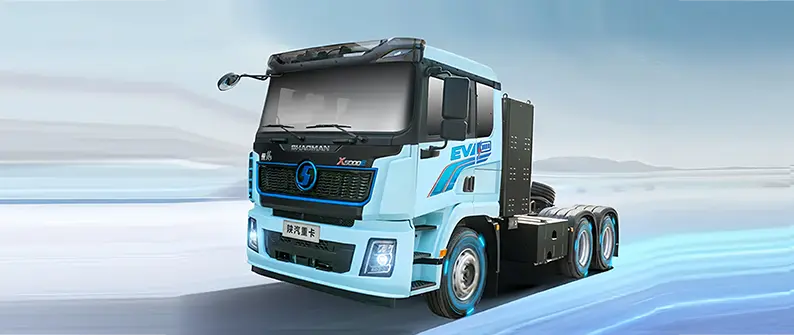
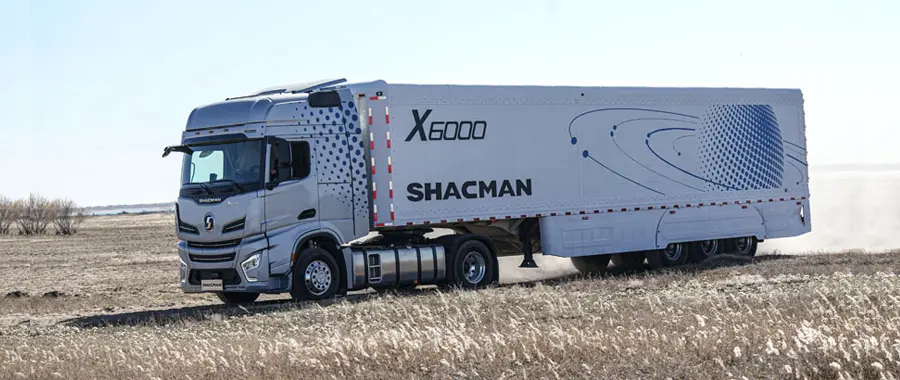
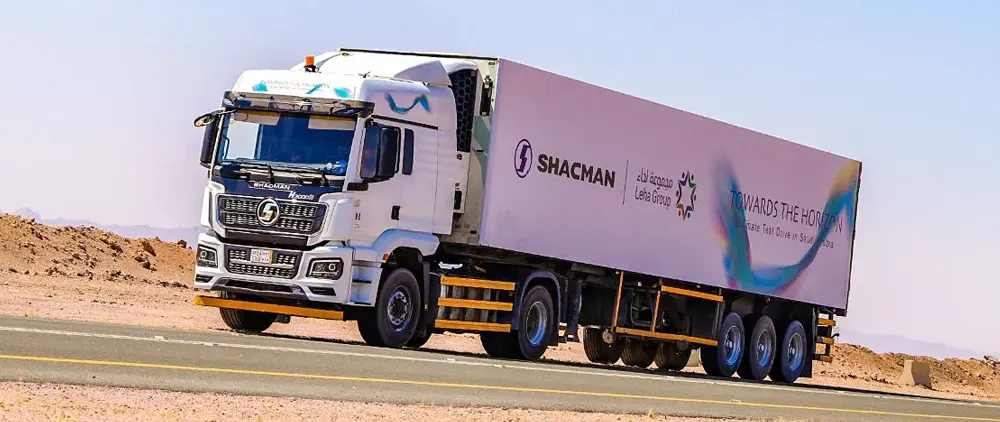
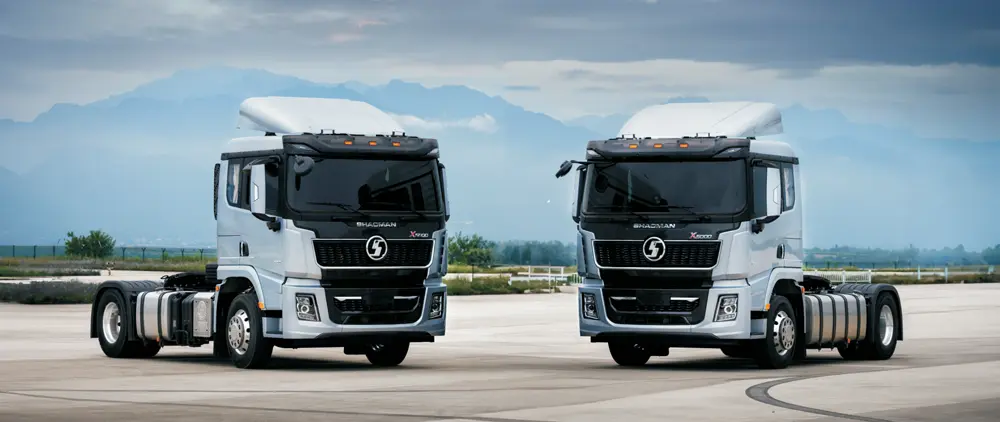
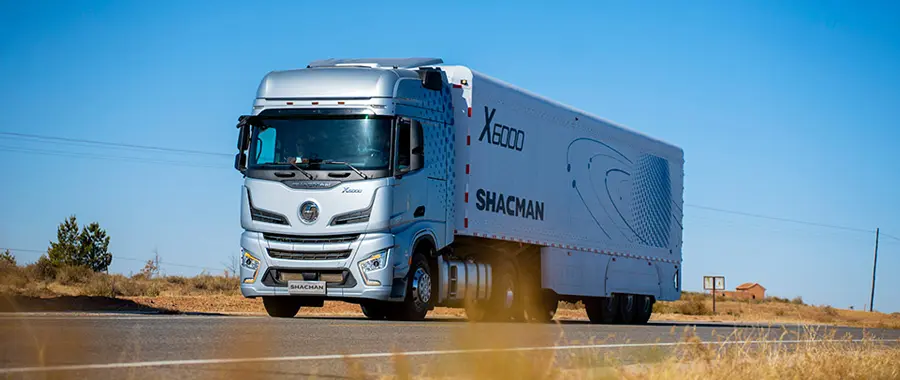
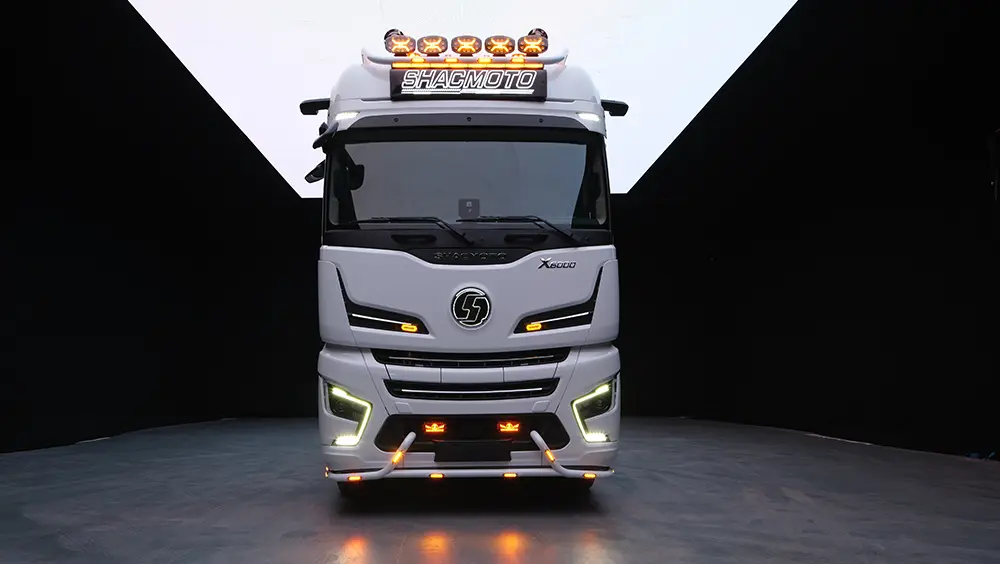
The X6000 is SHACMAN’s flagship model, designed specifically for cross-border logistics. It integrates millions of operational data points, with advanced digital working condition technology achieving a 99.3% correlation with real-world operating scenarios. Combined with Predictive Powertrain Control, the truck delivers outstanding fuel efficiency—reducing fuel costs by approximately 4% compared to comparable European trucks–.
Inside the cab, features like a flat floor, column shifter, and an ultra-large 1,000L storage space create a comfortable “mobile home” for drivers. Intelligent functions—including Adaptive Cruise Control (ACC) and Fatigue Monitoring—enhance convenience on long-haul journeys. The X6000’s ultra-high braking pressure of 1.2 MPa increases active response speed by 30%.

Real-World Application: The X6000 made its highly anticipated debut in Southeast Africa in December 2025, targeting cross-border freight routes connecting South Africa, Zimbabwe, Botswana, and Namibia.
Best For:
Cross-border long-haul logistics
Container and bulk cargo delivery
Premium fleet operations requiring driver comfort and fuel efficiency
Positioning: Tractor for long-haul and cross-border transport with proven reliability
Key Specifications:
Engine: Weichai or Cummins, 240–400 HP
Drive configurations: 4×2, 6×4
GVWR: 8–31 tons

Why It Excels in Africa:
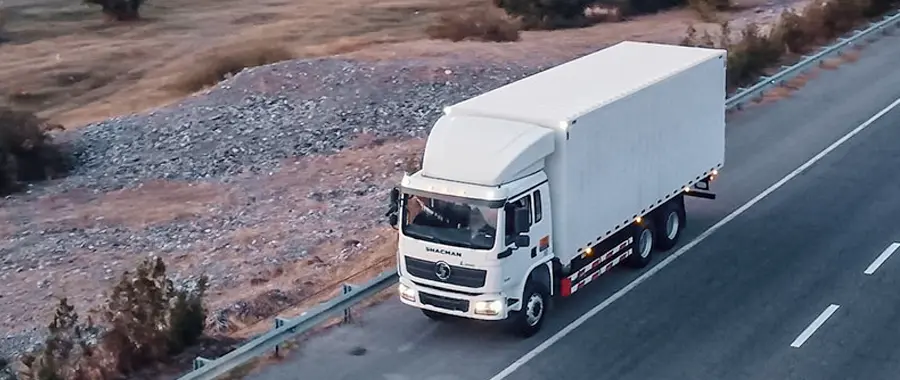
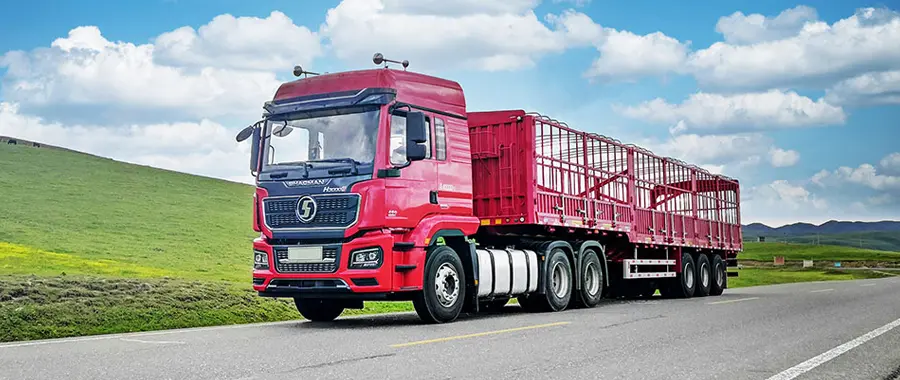
The H3000 tractor is equipped with the proven Golden Powertrain, offering a balance of power, durability, and fuel efficiency. It is a preferred choice for long-haul and cross-border transport routes throughout East Africa. The H3000S models, unveiled in Southeast Africa in March 2025, are known for robust performance, advanced technology, and fuel efficiency.
Best For:
Long-haul and cross-border transportation
Mountainous terrain and urban distribution
Fleet operators seeking proven reliability
Positioning: High-volume, cost-effective model for dumper and freight transport
Key Specifications:
Engine: Weichai WP12.430 E50, 430 HP

Why It Excels in Africa:
The S3000 is one of the volume-leading models in the Tanzanian market, alongside Sinotruk’s NX/TX and FAW’s JH5/J5P series, serving mainstream applications such as dump trucks and freight transport. It is also available in LNG and CNG configurations for markets seeking alternative fuel options.
Best For:
Dump truck applications
Freight and logistics transport
Cost-conscious fleet operators
| Series | Engine Power | Drive | Key Applications | Best For |
| F3000 | 270–430 HP | 6×4, 8×4 | Mining, quarrying, construction | Heavy off-road, extreme conditions |
| X3000 | 380–460 HP (up to 550) | 6×4 | Ports, general cargo, construction | Versatile all-round performance |
| X6000 | 430–550+ HP | 6×4 | Cross-border logistics, long-haul | Premium long-haul, fuel efficiency |
| H3000 | 240–400 HP | 4×2, 6×4 | Long-haul, mountainous, urban– | Balanced reliability |
| S3000 | 430 HP | 6×4 | Dump trucks, freight | High-volume, cost-effective |
What truly sets SHACMAN apart in Africa is its commitment to localization and after-sales support:
Local Assembly Plants: SHACMAN has established 15 localized production plants in Africa, including Kenya, Algeria, Nigeria, and Ethiopia. The Ethiopian KD plant, focused on assembling X3000 dump trucks and F3000 tractors, achieves 40% local component integration. In Algeria, SHACMAN has over 45,000 vehicles on the road with a market share exceeding 90% in the construction vehicle segment.
After-Sales Network: SHACMAN operates 42 overseas marketing regions, 190+ primary dealers, 38 parts center warehouses, 97 parts franchise stores, and 240+ overseas service stations. In Southeast Africa alone, SHACMAN has deployed over 60 service stations and 6 parts center warehouses.
Rapid Parts Response: Core spare parts can be delivered to remote mining areas within 48 hours, with locally trained technicians providing 24/7 emergency maintenance. In critical cases—such as breakdowns in remote areas—SHACMAN deploys mobile service vans equipped with tools and spare parts.
On-Site Technical Support: For major projects like the Trans-Guinean Railway, SHACMAN deployed over ten professional service engineers providing 24/7 on-site technical support, with many stationed in Guinea for more than three years.
1. Don’t overlook parts availability. African repair shops often face the dilemma of “opening a truck and not knowing which version of parts fit which model.” Before selecting a model, verify whether parts are available in the target market.
2. Pay attention to left-hand vs. right-hand drive. West and North Africa accept left-hand drive, while East and Southern Africa require right-hand drive. Retrofitting is costly and presents safety risks.

3. Factor in currency risk. African currencies such as the Naira and Egyptian Pound frequently experience sharp devaluations, which may result in buyers being unable to pay the final balance. Mitigate this risk through Sinosure and other financial tools.
4. Verify import regulations. Import age limits vary from 5 to 12 years depending on the country, and failed inspections can result in forced return shipping. Verify target country regulations before shipping.
5. Avoid the low-price trap. Some brands compete by reducing product prices and cutting configurations, but low-cost, stripped-down vehicles cannot withstand African operating conditions. Once quality issues emerge on a large scale, they damage the long-term reputation of all Chinese brands.
6. Consider local assembly options. SHACMAN’s KD plants in Ethiopia, Kenya, Algeria, and Nigeria reduce delivery times by 35% and lower import tariffs. For large fleet orders, inquire about local assembly possibilities.
As a seller of Chinese brand trucks, your company has the following inherent advantages:
Unbeatable value proposition: New Chinese trucks at the price of used European trucks, with zero mileage and factory warranty
Policy benefits: Zero-tariff access to 53 African countries with which China has diplomatic relations
Financial support: Sinosure and other financing solutions lower the purchase barrier for customers
Expanding service networks: Chinese brands are rapidly building KD plants, service stations, and parts centers across Africa
Actionable Recommendations for Your Company:
Match the model to the application: Understand each customer’s specific operational scenario (mining, long-haul logistics, construction, etc.) and recommend the most suitable model and configuration. Use the SHACMAN series comparison table above to guide customers to the right choice.
Emphasize TCO: Show customers a full lifecycle cost analysis rather than simply comparing purchase prices. SHACMAN’s lower maintenance costs and parts availability translate to significant savings over the vehicle’s lifetime.

Parts first: When entering a new market, prioritize parts supply and after-sales service networks. SHACMAN’s regional parts center model—with 38 parts centers and rapid 48-hour delivery to remote areas—is a strong selling point.
Localize partnerships: Establish relationships with local dealers and service providers to build customer trust. SHACMAN’s 190+ primary dealers and 240 sales networks provide a template.
Promote the “Africa Specification”: Ensure that delivered vehicles have undergone targeted optimization—reinforced cooling, oversized air filters, strengthened chassis, and appropriate emission standards for the target market.
Leverage SHACMAN’s strengths: When recommending SHACMAN, highlight:
The F3000 for mining and construction customers
The X3000 for versatile, all-purpose applications
The X6000 for premium long-haul logistics operators
The S3000 for volume, cost-sensitive buyers
The extensive after-sales network and local assembly options
Africa’s heavy truck market is in a period of rapid growth, with sales volumes expected to double over the next five years. Chinese brands have already captured a dominant market position through exceptional value, expanding service networks, and deep localization. SHACMAN, with its comprehensive product lineup—from the rugged F3000 mining workhorse to the premium X6000 long-haul flagship—offers African customers a tailored solution for every application.
Helping customers make informed purchasing decisions is not just about making a sale—it is the foundation of long-term trust and sustainable business growth in one of the world’s most exciting emerging markets.

Copyright @2023 Shacman. All Rights Reserved. Privacy Policy.