Stay up-to-date with the
Press Releases

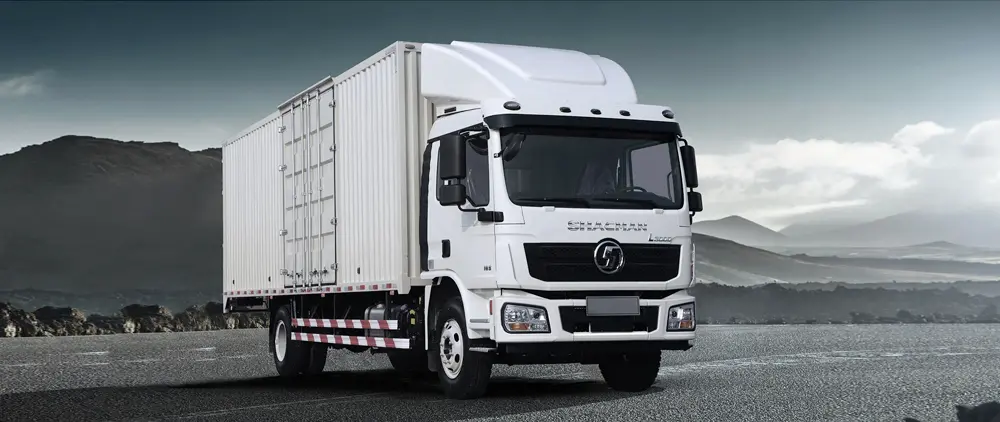
Across Africa’s vast landscapes, Chinese heavy-duty trucks have become the backbone of infrastructure development and logistics. HOWO and SHACMAN, two of China’s leading truck brands, both have deep roots in the African market. However, when comparing product performance, localisation strategies, after-sales support, and total cost of ownership, SHACMAN is demonstrating increasingly clear advantages – making it the preferred choice for a growing number of fleet operators and mining contractors across the continent.
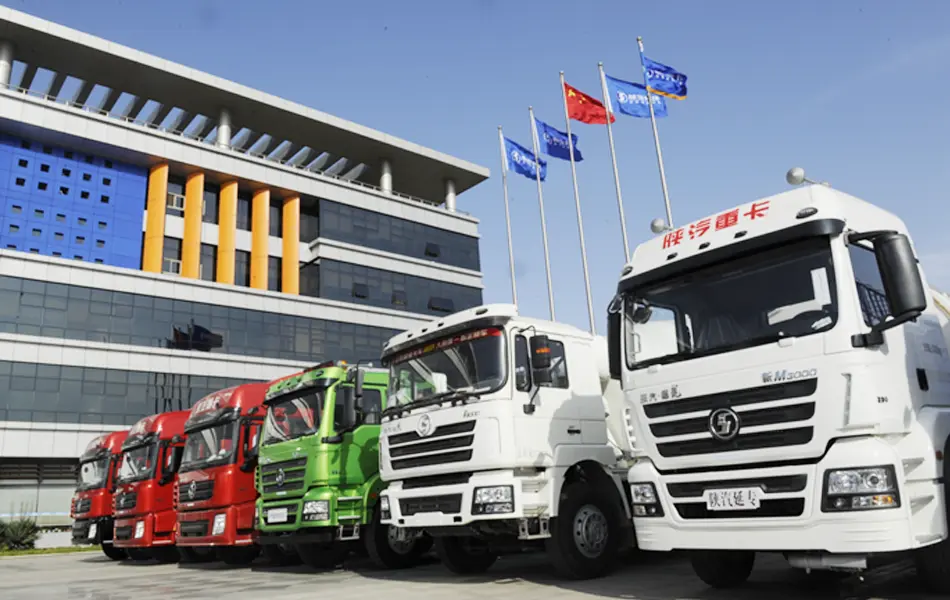
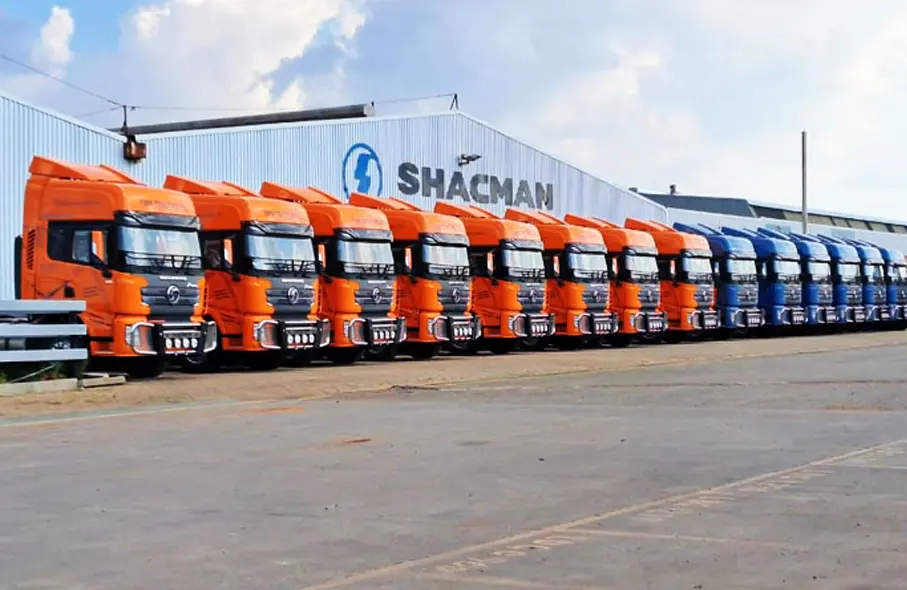
SHACMAN has shown remarkable growth momentum in Africa in recent years. In the first half of 2025, SHACMAN recorded a 29% year-on-year sales increase in the region. By 2025, SHACMAN products had reached over 150 countries and regions worldwide, with cumulative exports exceeding 390,000 units, and local production established in 17 countries, including South Africa and Morocco.
In key markets, SHACMAN’s performance stands out. In Algeria, SHACMAN holds more than 80% market share, with a cumulative fleet of over 45,000 vehicles. Local dealers openly state: “SHACMAN is the absolute Number 1 in Algeria!” This market dominance is the result of more than a decade of persistent effort – SHACMAN entered the Algerian market in 2007 and set up its first local Chinese heavy-truck assembly plant there.
HOWO also enjoys strong brand recognition in Africa, particularly in markets like Kenya and Nigeria. Yet, in terms of growth trajectory, SHACMAN is expanding at a faster pace. SHACMAN aims to capture 25% of Africa’s heavy-duty truck market by 2027 – a clear sign of its ambitious strategy.
For heavy trucks in Africa, localisation is a critical competitiveness factor. SHACMAN has built an industry-leading localisation network.
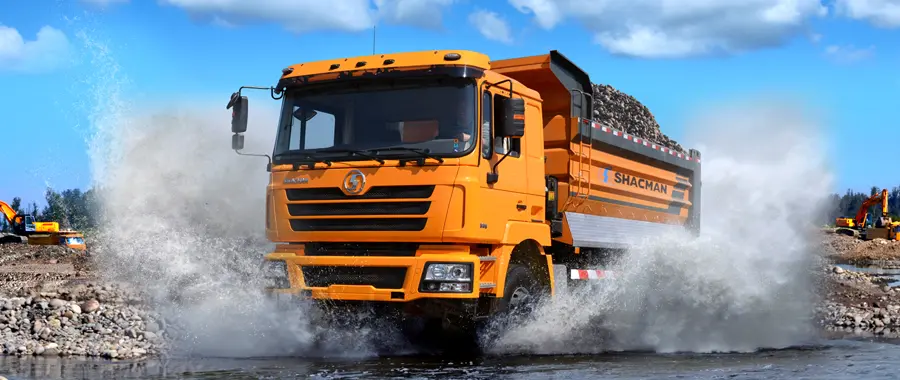
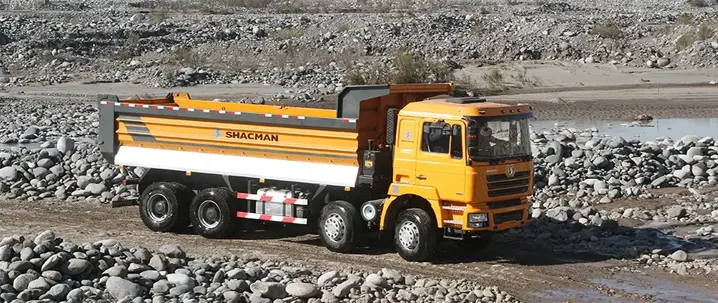
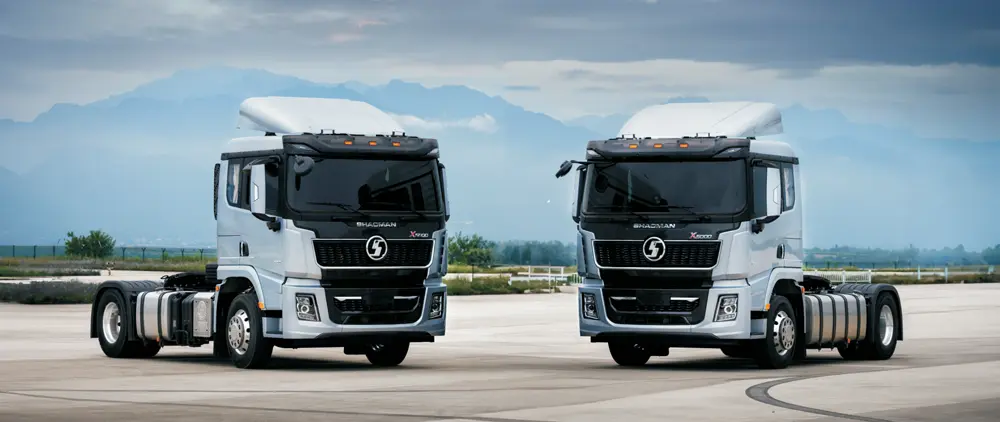
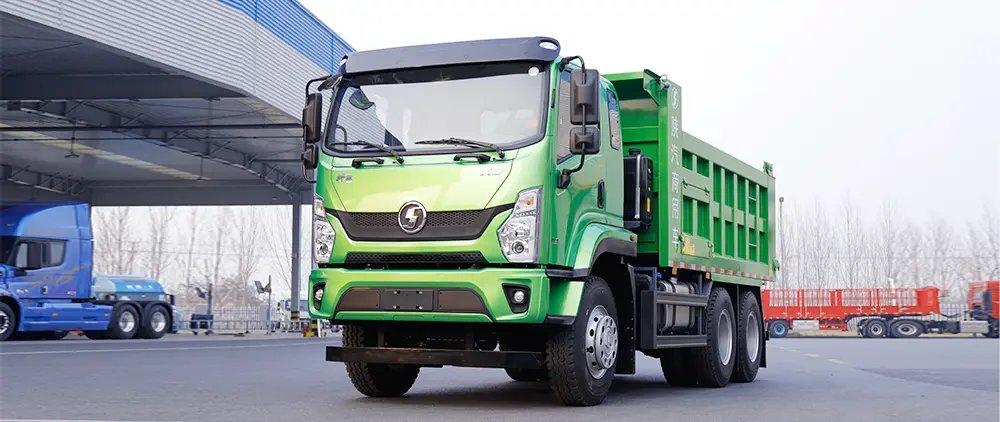
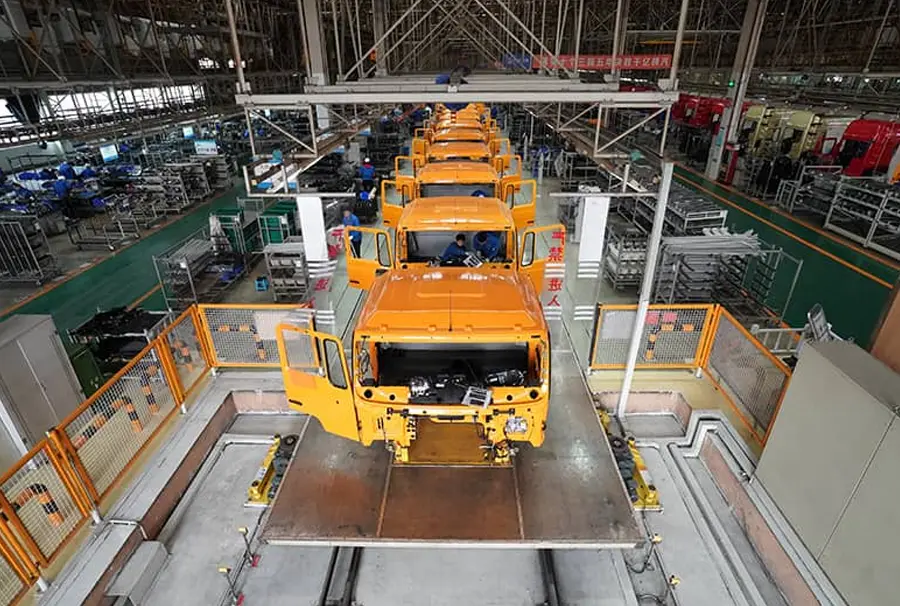
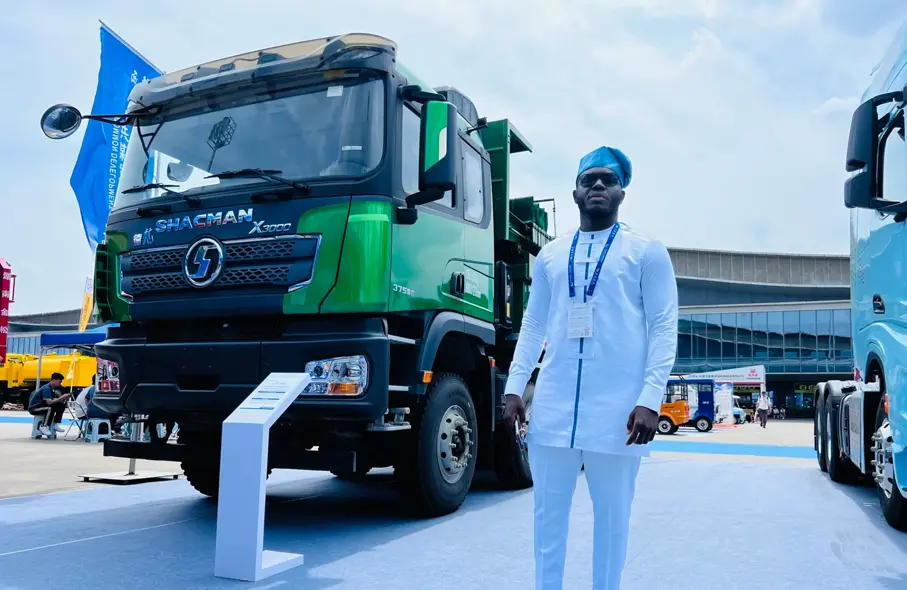
Currently, SHACMAN operates 13 standardised KD (knock-down) assembly plants across Africa, covering Algeria, Kenya, Nigeria, Ethiopia, Morocco, and more. Take the newly commissioned Ethiopian KD plant in 2025 – it focuses on assembling X3000 dump trucks and F3000 tractors, achieving 40% local parts integration and shortening delivery times by 35% compared to fully imported vehicles. In Morocco, SHACMAN partnered with Premium Group to establish the first “Made in Morocco” heavy-truck production line in Casablanca.
Local production not only speeds up delivery but also reduces tariff costs, enables greater customisation, and allows quicker responses to local market needs. SHACMAN’s “One Country, One Product” strategy has expanded from 448 to 692 vehicle variants, precisely tailored to the road conditions, climate, and transport demands of each country.
HOWO also has assembly operations in Africa, but in terms of the number of local plants, coverage breadth, and parts integration rates, SHACMAN’s footprint is far more systematic and in-depth.

In Africa’s demanding operating environments – extreme heat, heavy loads, and unpaved roads – engine power and durability are paramount.
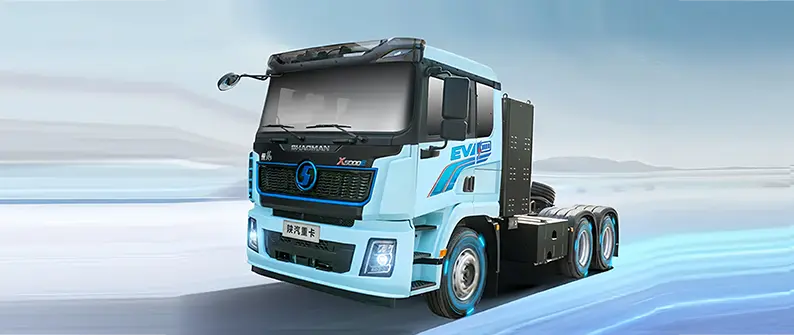
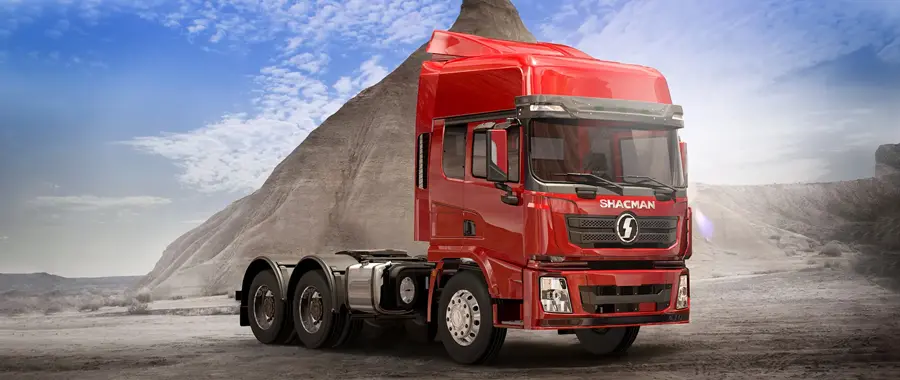
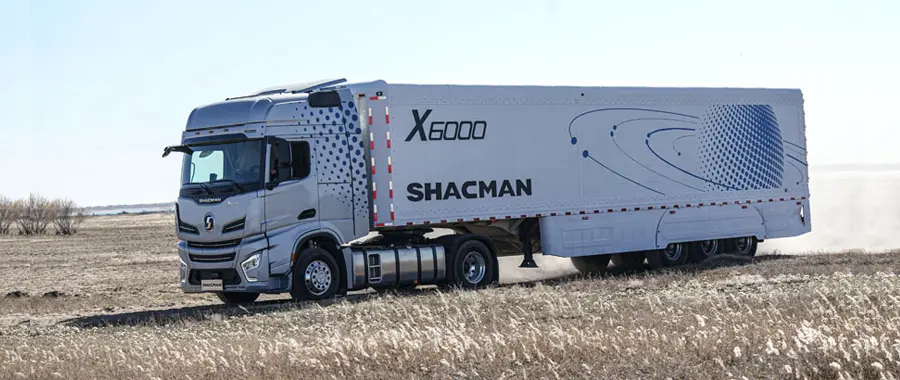
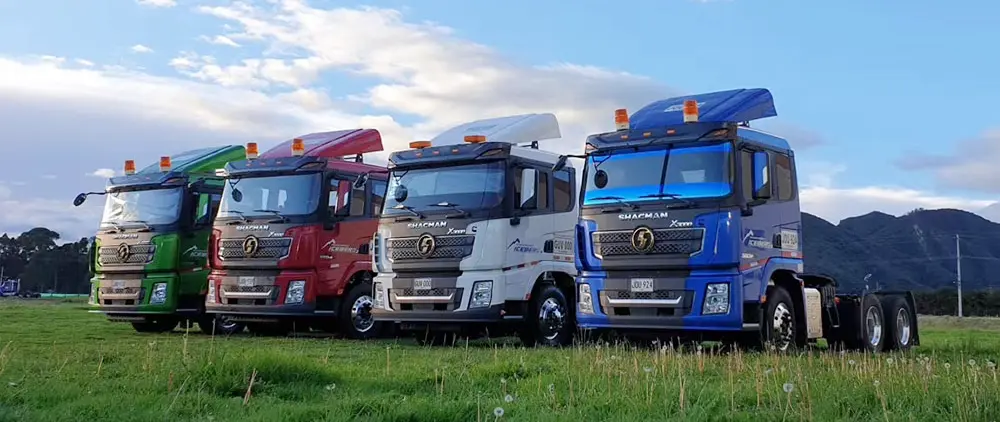
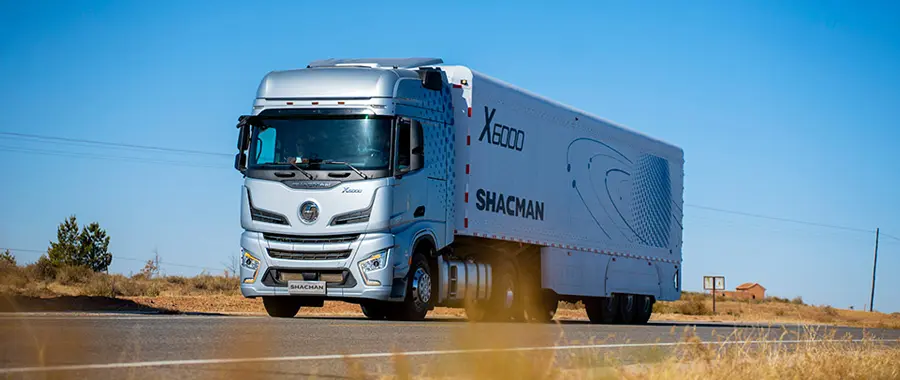
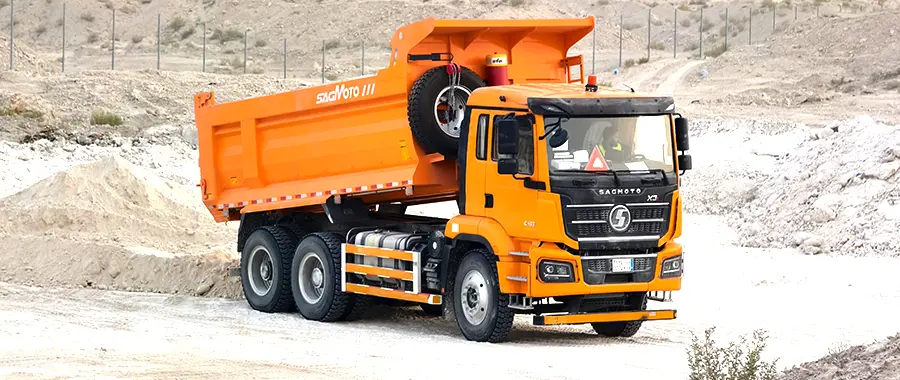
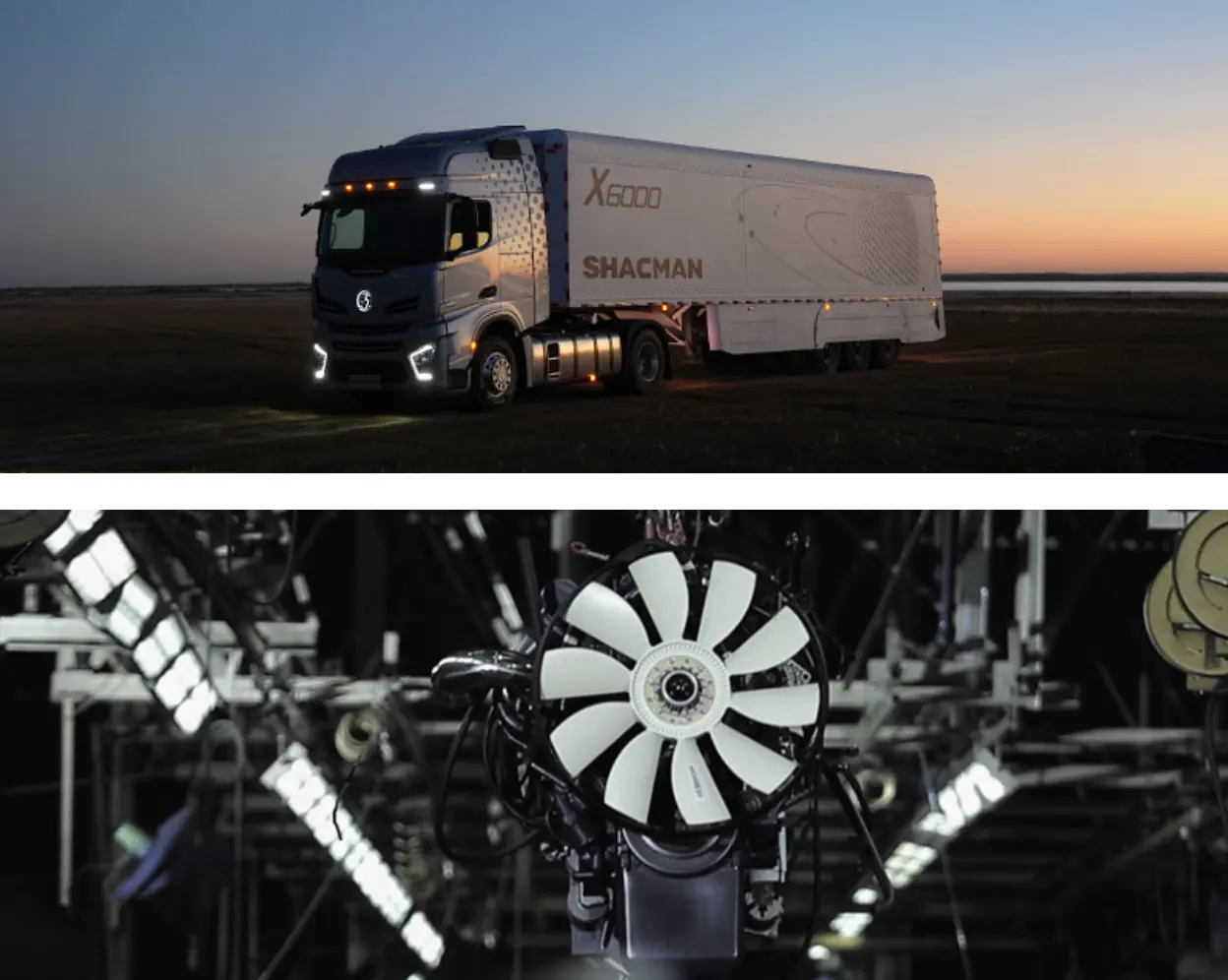
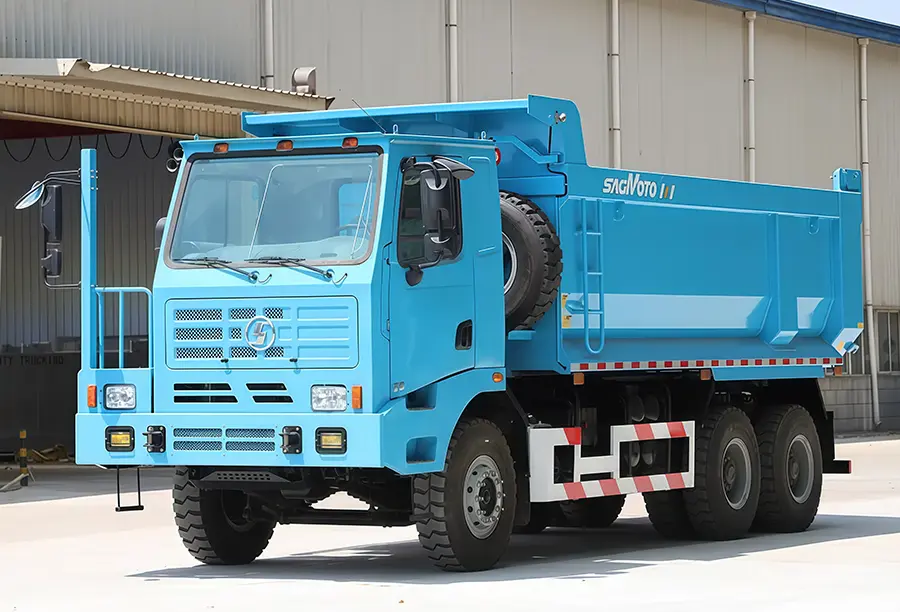
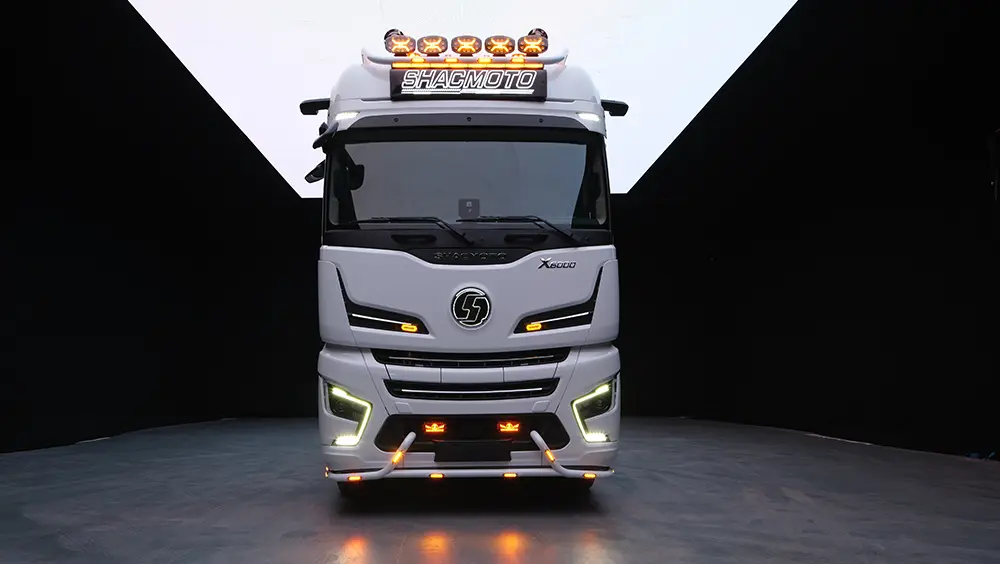
SHACMAN’s flagship X6000 is equipped with Weichai WP13G560E62 (560 hp) and WP15H580E62 (580 hp) engines, and its dump-truck variant can deliver an astonishing 800 hp, excelling in heavy-load mining and ore transport. A Kenyan mining company recently purchased 25 X6000 units for ore haulage. The X6000 is already widely used in Nigeria, Kenya, Tanzania, Angola, and other African countries for container transport, fuel logistics, and mining operations.
In fuel efficiency, comparative analyses show that SHACMAN often achieves better fuel economy under heavy-load climbing conditions, thanks to its optimised powertrain – a significant long-term cost advantage for cost-conscious African fleets.
HOWO’s product line covers mainstream transport and construction scenarios, with models offering 380–430 hp. HOWO’s strength lies in its broad market recognition and large installed base. However, in high-end, high-horsepower models and extreme-condition adaptability, SHACMAN’s X6000 and other flagship products represent a higher technological standard.

After-sales service is a decisive factor for heavy trucks operating in Africa. SHACMAN has built an industry-leading service system.
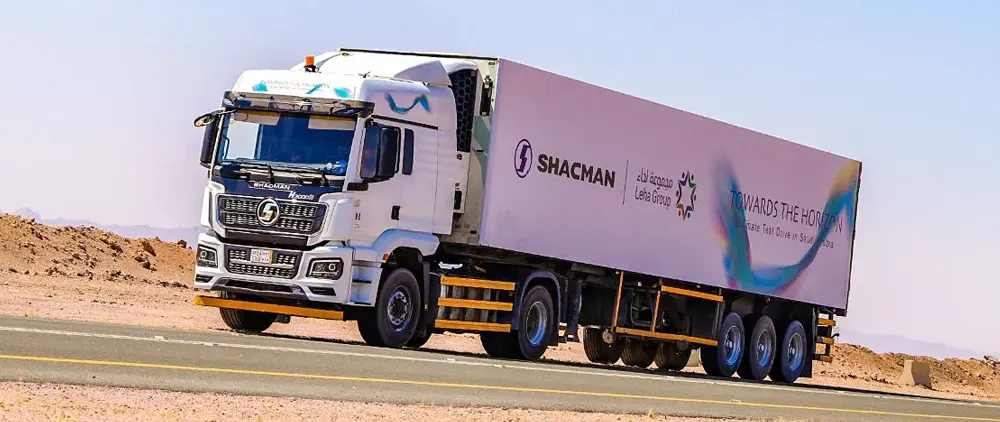
Globally, SHACMAN operates over 330 service outlets, with more than 60 service stations and 6 parts distribution centres in Southeast Africa alone. SHACMAN implements a “parts-first” strategy, maintaining extra inventory of high-value components. Its central parts warehouse in Johannesburg can deliver core parts to remote mining sites within 48 hours.
SHACMAN also offers 24-hour global service hotlines, cross-border warranty, service shuttle vehicles, on-site support, and other innovative service models. For remote mining and infrastructure projects, SHACMAN deploys mobile service teams equipped with fully equipped workshop vehicles.
HOWO also invests in after-sales service in Africa, providing parts support through dealers in markets like Kenya. However, in terms of service outlet density, parts delivery speed, and service innovation, SHACMAN’s overall service system is more comprehensive.

Initial purchase price is only the beginning – total cost of ownership (TCO) determines true ROI.
Although SHACMAN’s initial acquisition cost may be slightly higher than some HOWO models, its superior fuel economy, higher power output for greater productivity, and stronger after-sales backing give it a clear TCO advantage – a fact increasingly recognised by African fleet managers.
As one African industry observer noted, the choice between SHACMAN and HOWO ultimately comes down to route types, maintenance environments, and long-term operating costs. For enterprises pursuing long-term value, heavy-haul transport, and mining operations, SHACMAN’s product strength, service capability, and localisation support make it an increasingly compelling choice.
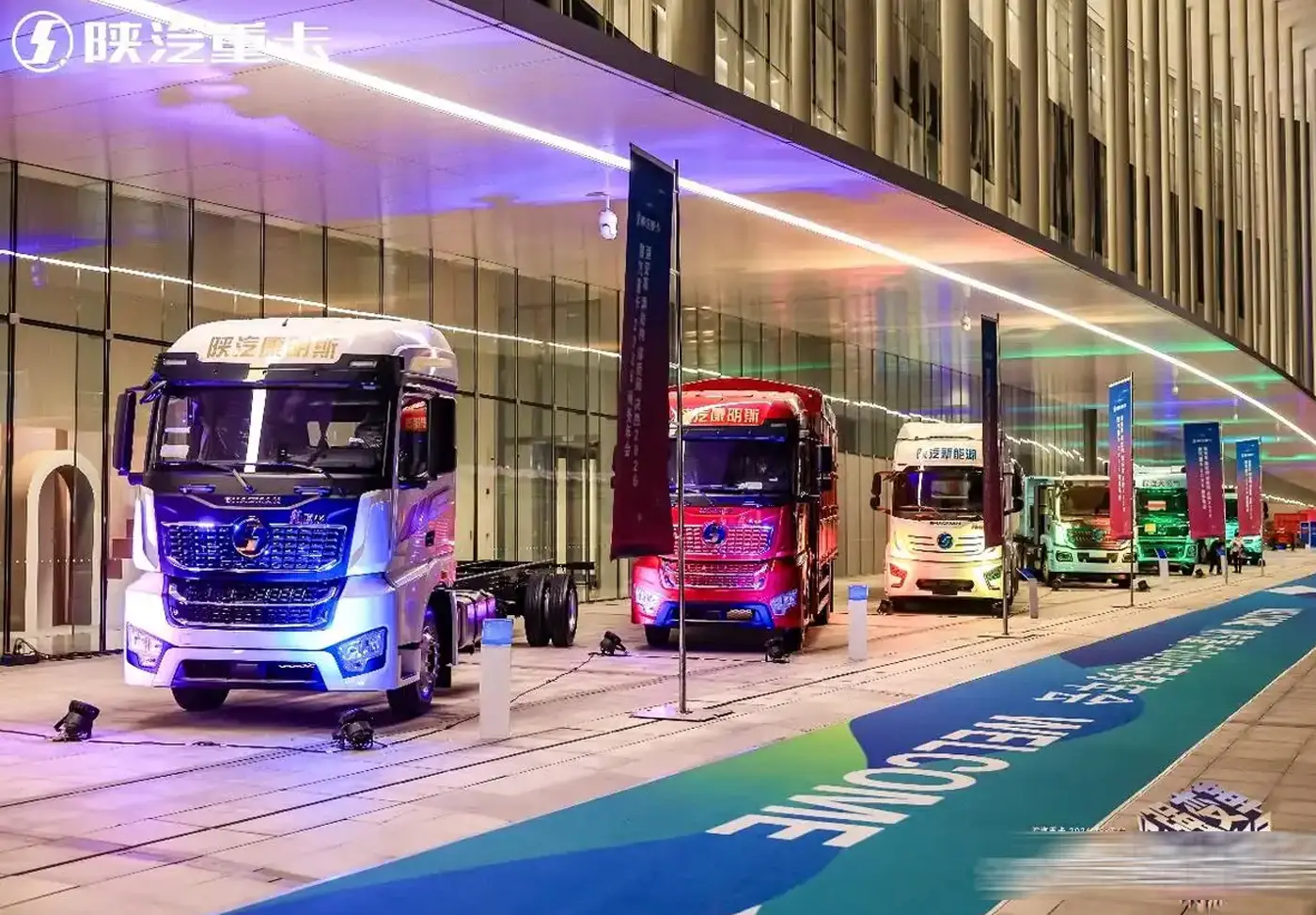
HOWO, as an earlier entrant into the African market, enjoys broad brand awareness and competitive pricing, securing a solid position. However, when evaluated across growth momentum, local production presence, product power, and after-sales network, SHACMAN is emerging as the more forward-looking choice for Africa’s heavy-truck market.
SHACMAN’s “One Country, One Product” customisation, its 17-country localisation footprint across Africa, its 29% annual sales growth, and its dominant >80% market share in Algeria – these are not just numbers. They reflect a Chinese brand that truly roots itself in Africa, understands its challenges, and serves its needs. For fleet operators seeking stable, efficient, and long-term performance across the continent, SHACMAN is undoubtedly a priority choice.

Copyright @2023 Shacman. All Rights Reserved. Privacy Policy.