Stay up-to-date with the
Knowledge

In the mining transport sector, selecting the right dump truck directly impacts operational efficiency, cost control, and return on investment. Among SHACMAN’s extensive lineup, the Delong X5000 and F3000 are two of the most frequently compared models for mining customers. However, they differ significantly in product positioning, powertrain configuration, and ideal application scenarios. This article provides a systematic multi‑dimensional comparison to help mining operators make an informed decision.
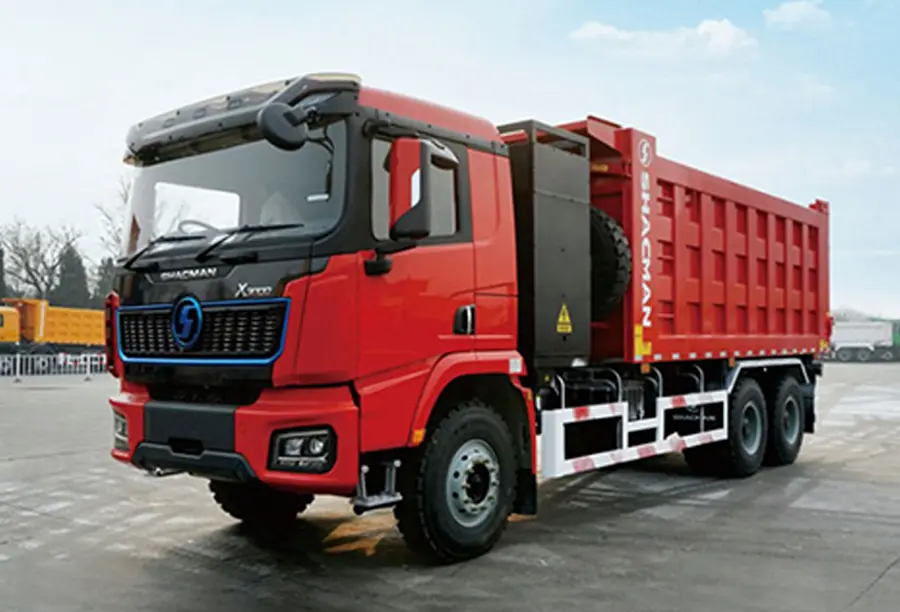
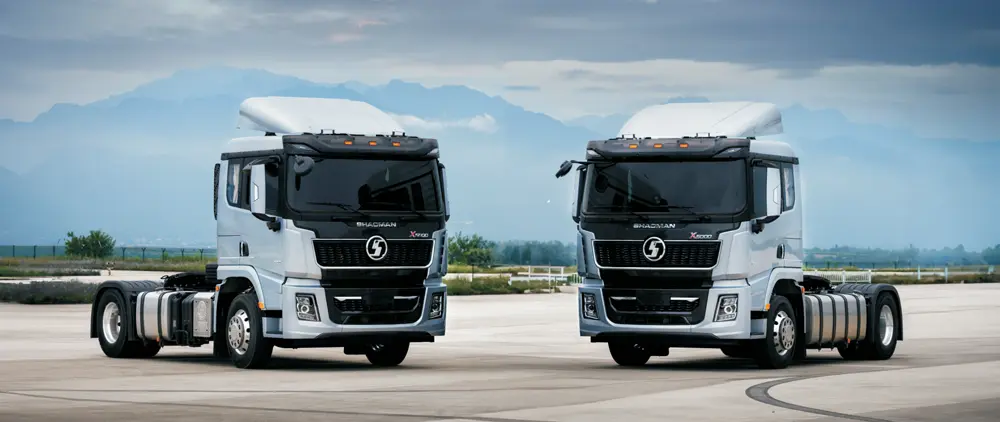
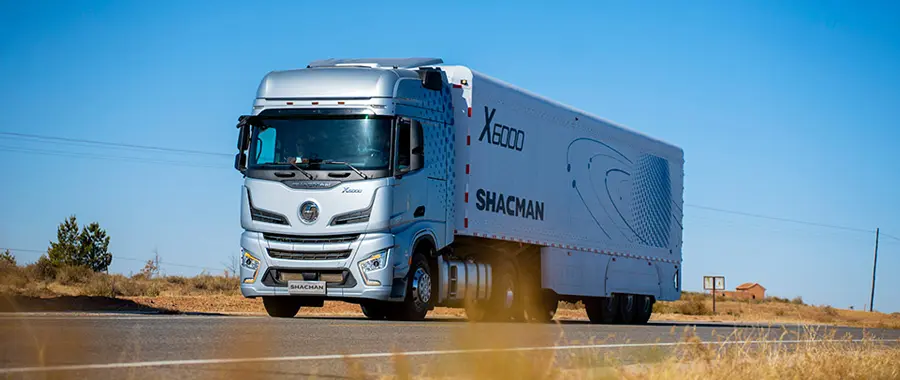
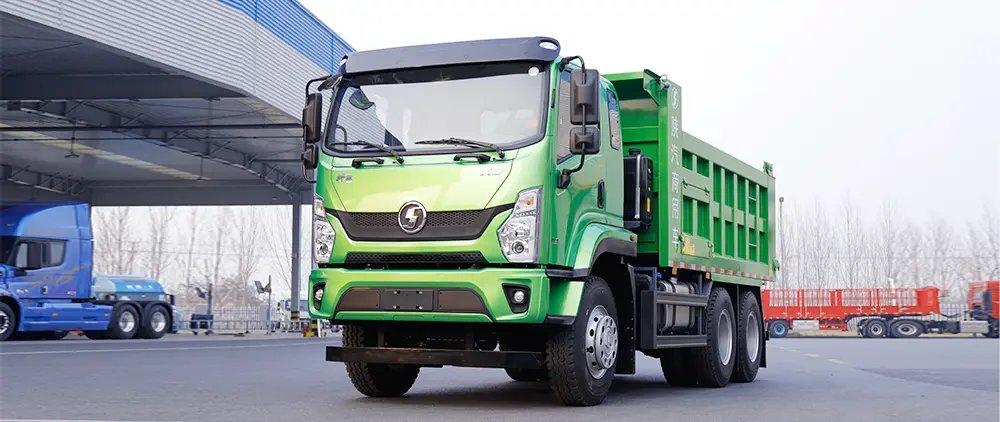
SHACMAN X5000 is SHAANXI Auto’s new‑generation premium heavy‑duty truck platform, designed for high efficiency, low fuel consumption, intelligence, and superior driver comfort. Within the SHACMAN product spectrum, the X5000 sits as an upgraded high‑end model, while the F3000 is positioned as a proven, value‑oriented classic.
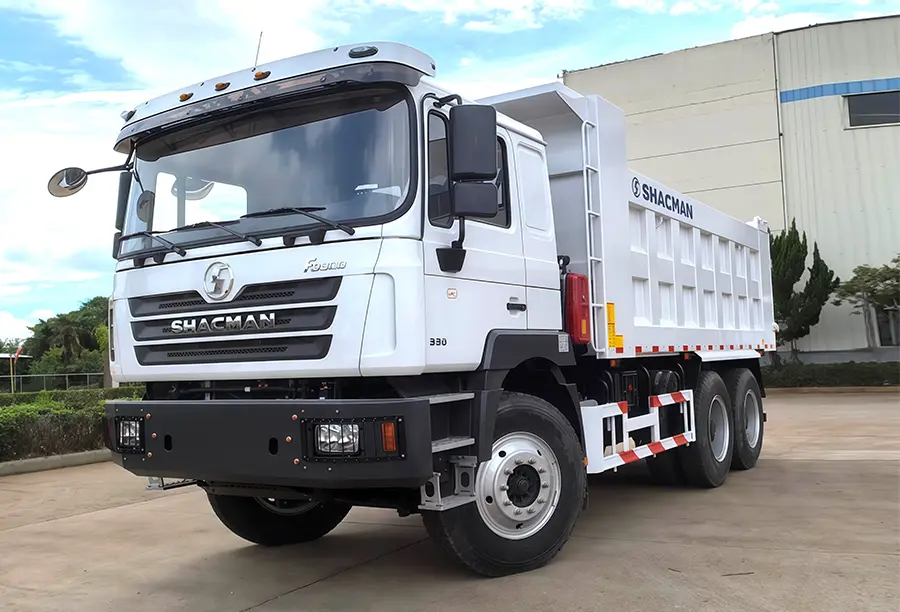
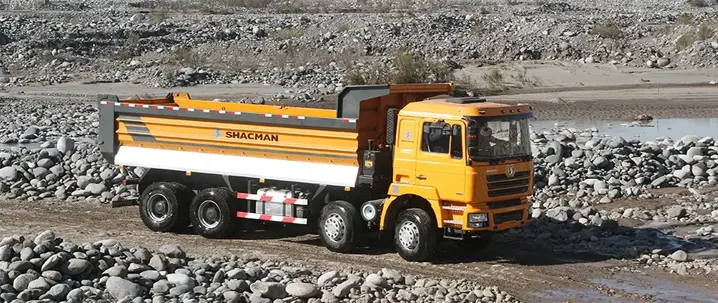
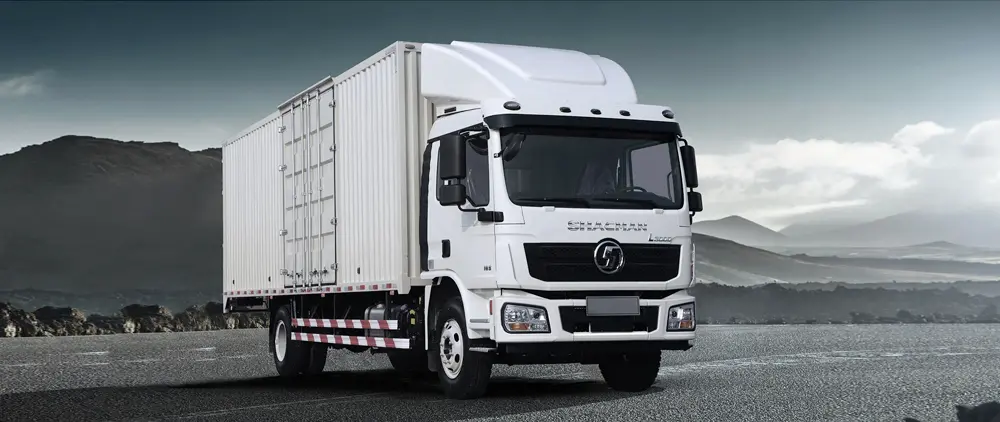
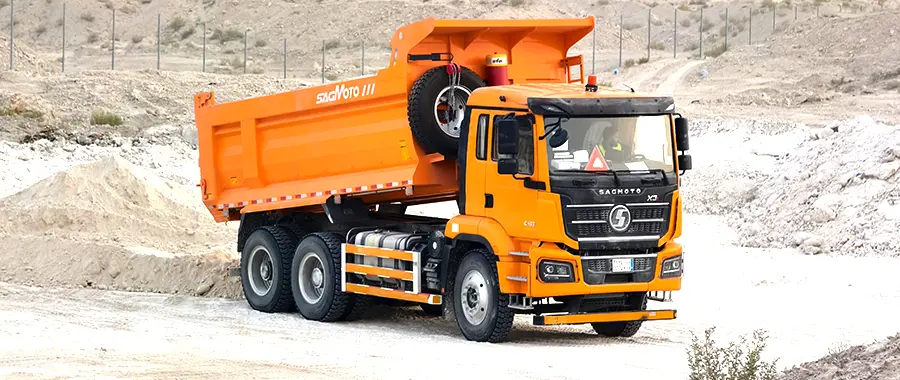
SHACMAN F3000 is based on a mature, time‑tested platform that emphasises reliability, high ground clearance, strong load‑carrying capacity, and safety. The F3000 series has built a solid reputation in global mining, construction, and bulk freight markets, particularly for its durability and cost‑effectiveness.
In practical terms, the X5000 is best suited for large‑scale, long‑haul mining operations, whereas the F3000 excels in medium‑ or short‑term mining projects, extremely rough terrain, and cost‑sensitive operations.
Engine configuration is one of the most notable differences.
The X5000 is equipped with either the Weichai WP13 series or the Cummins M13 series large‑displacement engines, covering 440 to 550 HP. For example, the X5000 6×4 mining‑strengthened version uses the Weichai WP13.550E62 (12.54 L) with a maximum output of 405 kW (550 HP) and peak torque available from 950 to 1,400 rpm. Some export variants feature the Cummins M13E5 520 HP engine, delivering a peak torque of 2,500 N·m. The X5000 employs a high‑pressure common‑rail fuel system and an aerodynamic cab design, achieving approximately 8% lower fuel consumption compared to the previous X3000 model.
The F3000, in contrast, is powered by Weichai WP10/WP12 engines ranging from 336 to 430 HP. A typical configuration is the WP10.350E53 (9.726 L) with a maximum torque of 1,600 N·m; higher‑spec versions can reach 430 HP and 2,200 N·m of torque. The F3000’s low‑end, high‑torque characteristics deliver consistent performance during heavy climbs and in complex off‑road conditions.
Bottom line: The X5000 offers superior power reserves and fuel efficiency, making it ideal for high‑tonnage, long‑distance mining haulage. The F3000, while less powerful, provides proven reliability and lower maintenance costs for most standard mining duties.
X5000 features a double‑layer frame rail (8+7 mm thickness) made of 800 MPa high‑strength steel, coupled with MAN‑technology axles. The 8×4 model has a rated gross vehicle weight of 31 tonnes and can support payloads up to 50 tonnes. The dump body uses 8 mm NM450 wear‑resistant steel, which offers 30% higher abrasion resistance than conventional Q355B steel. Axle ratios can be selected up to 5.92 to suit heavy climbing conditions.
SHACMAN F3000 uses a frame of 850×300×(8+7) mm, with a HanDe 9.5T MAN‑technology front axle and a HanDe 16T MAN‑technology tandem drive axle. Ratios are available at 5.262 or 5.92. The F3000 8×4 also has a GVW of 31 tonnes, with some heavy‑duty configurations reaching up to 50 tonnes. Body steel thickness is typically 6‑8 mm. Some sources indicate that the F3000 can achieve a GCW (gross combination weight) of up to 90 tonnes in specific setups.
Bottom line: Both models are genuine heavy‑duty performers. The X5000 incorporates more advanced materials and lightweight design, while the F3000 relies on a traditional, battle‑proven structure.
Mining environments are harsh, demanding high adaptability from equipment.
SHACMAN X5000 offers a mining‑strengthened variant with optional heavy‑duty air filters and mining‑specific tyres (13R22.5), suitable for iron, coal, and copper ore transport. It features an engine power compensation system that maintains 90% of performance even at altitudes of 4,500 metres. Cab noise is kept below 75 dB.
SHACMAN F3000 is equally adept in tough mining conditions, especially on muddy forest trails and steep gravel roads. The F3000 mining version comes standard with hydraulic cab mounts, oil‑bath air filters, and a 180 Ah maintenance‑free battery. Its ground clearance exceeds 314 mm, offering excellent off‑road mobility. The F3000 has a long track record of stable service in high‑temperature desert and tropical climates.
Bottom line: The X5000 offers superior high‑altitude performance, cabin comfort, and dust filtration; the F3000 wins on extreme terrain capability and simpler maintenance requirements.
SHACMAN X5000 represents SHACMAN’s highest level of intelligence and comfort. It comes with an air‑suspended driver’s seat (with heating/ventilation), automatic climate control, and a noise‑reduced cab. Optional features include the Tianxingjian telematics system for real‑time monitoring of fuel consumption, tyre pressure, and body tilt angle, plus a 10‑inch touchscreen with multi‑language support and remote diagnostics. The electric cab tilt system improves maintenance efficiency by 40%.
SHACMAN F3000 has more basic equipment: standard hydraulic driver’s seat, automatic A/C, power windows, and central locking. Optional ABS and reverse camera are available. Its main advantage lies in simple construction, easy repairs, and abundant spare parts availability.
Bottom line: If your mining fleet requires digital tracking and driver comfort, the X5000 is clearly superior. For remote sites with limited repair facilities, the F3000’s simplicity and reliability may be more attractive.
| Comparison Aspect | X5000 | F3000 |
| Power range | 440‑550 HP | 336‑430 HP |
| Peak torque | Up to 2,500 N·m | Up to 2,200 N·m |
| Emission standard | Euro V / China VI | Euro II‑V |
| Intelligence level | High (telematics, remote diagnostics) | Basic |
| Driving comfort | High (air suspension, noise reduction) | Standard |
| Maintenance cost | Higher | Lower |
| Purchase cost | Higher | More cost‑effective |
| High‑altitude adaptation | 4,500 m power compensation | Standard |
| Ideal scenarios | Large‑scale mines, long‑haul | Medium/small mines, harsh roads, short‑term projects |
Choose SHACMAN X5000 when:
Operating large mines with high annual throughput
Needing long‑distance, high‑speed heavy haulage
Requiring fine‑tuned fuel economy and total cost management
Working at high altitudes where power compensation is beneficial
Willing to invest in driver comfort and fleet digitalisation
Choose F3000 when:
Running small‑to‑medium or short‑duration mining projects
Facing extremely tough terrain (mud, steep gradients, unpaved roads)
Having strict budget constraints for both purchase and maintenance
Operating in remote areas with limited service support – simplicity is key
Operating in markets with lower emission requirements (Euro II/III acceptable)
The SHACMAN X5000 and F3000 are not simply a “new versus old” choice; they are two differentiated products tailored to different mining needs. The X5000 excels in efficiency, intelligence, and fuel savings – ideal for large mines pursuing long‑term profitability. The F3000 stands out for reliability, terrain‑conquering ability, and value‑for‑money – a trustworthy workhorse for challenging conditions and budget‑conscious operations. When making your decision, carefully evaluate your mine’s road conditions, haul distance, annual workload, altitude, budget, and maintenance capabilities to select the model that best fits your unique operational reality.

Copyright @2023 Shacman. All Rights Reserved. Privacy Policy.